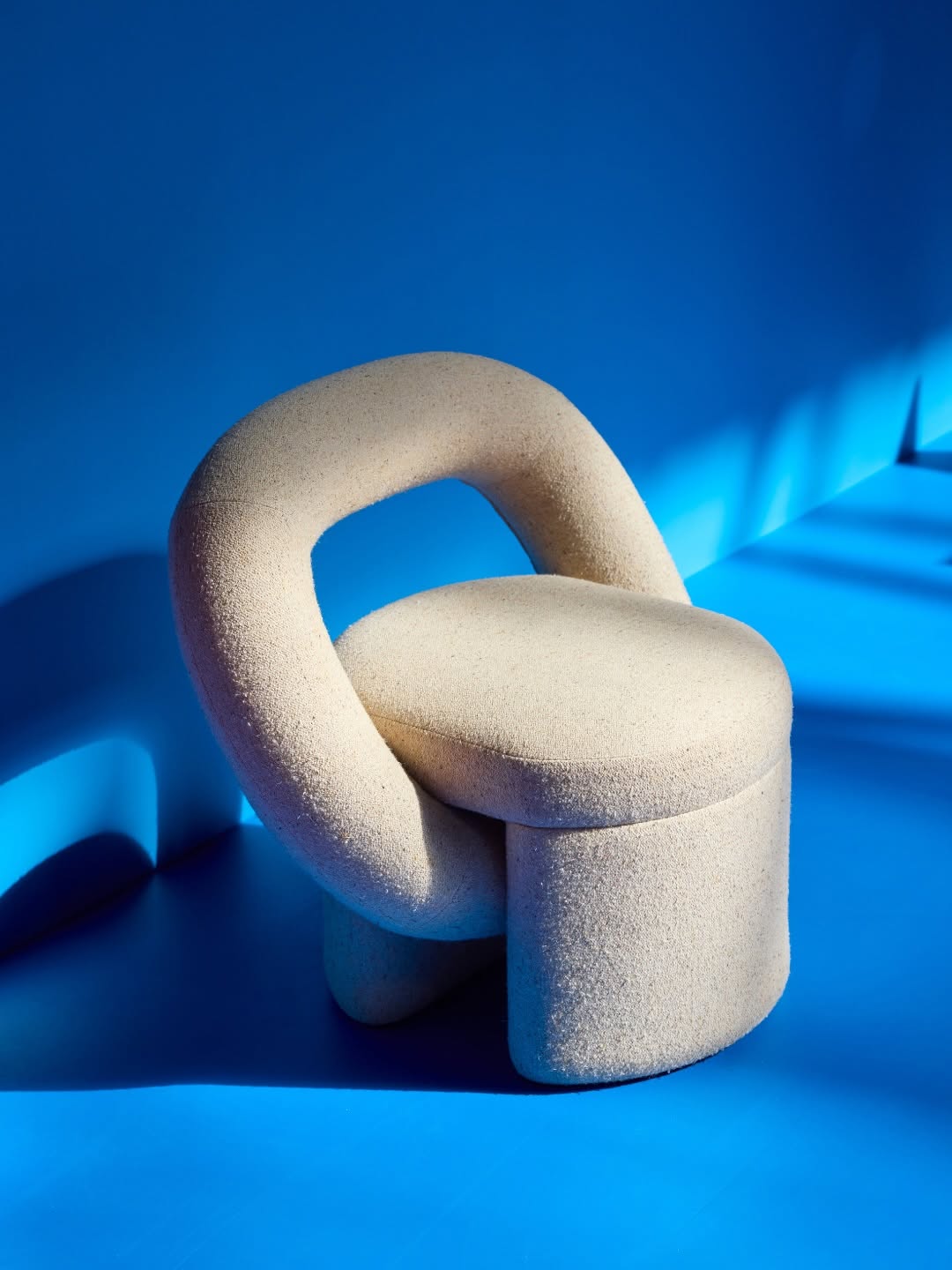
A Tale of Two Design Weeks: Paris and London 2026
Two capitals, one unmistakable mood this September — here’s how it read from the sofa cushion up.
Design month arrived with a shared instinct this year: slow down, touch everything, and stop pretending craft and technology are enemies. Paris Design Week (10–19 September) and the London Design Festival (12–20 September) overlapped by a week, and while their personalities stayed distinct — Paris theatrical and materially indulgent, London scrappier and more conceptually restless — the throughlines were strikingly aligned.
Paris: craft as spectacle, and interiors that finally went outside
Anchored by Maison&Objet Pulse at Paris Nord Villepinte (its new September identity, built around the theme “Pulse in Motion”), Paris leaned hard into a design world hungry for color, craft, tactility, and human energy, with Milena Hernández and Christophe Penasse’s Studio Masquespacio, brand ambassador of this years edition, staging immersive installations across the fair and the city.
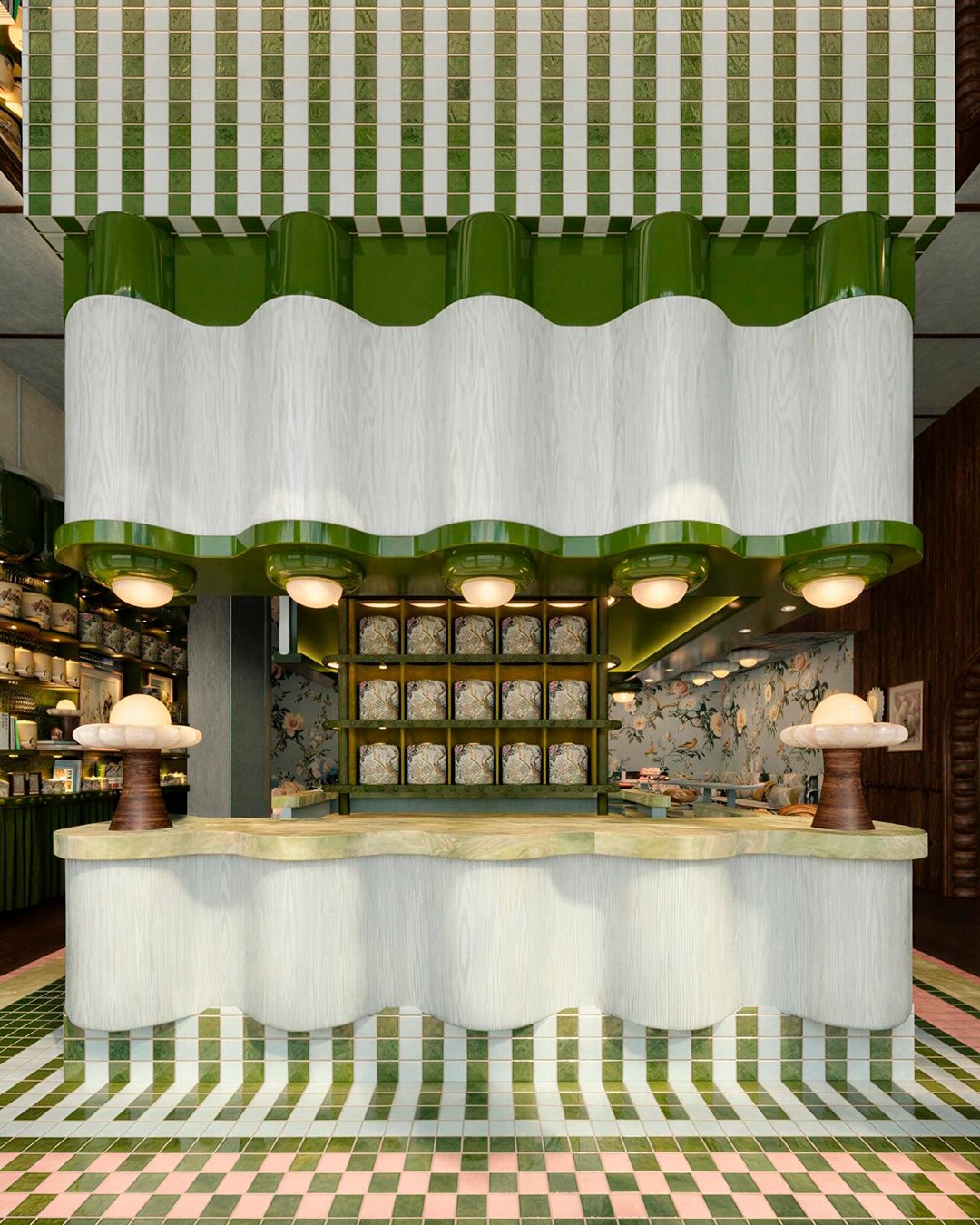 Studio Masquespacio, image by Elle Decor
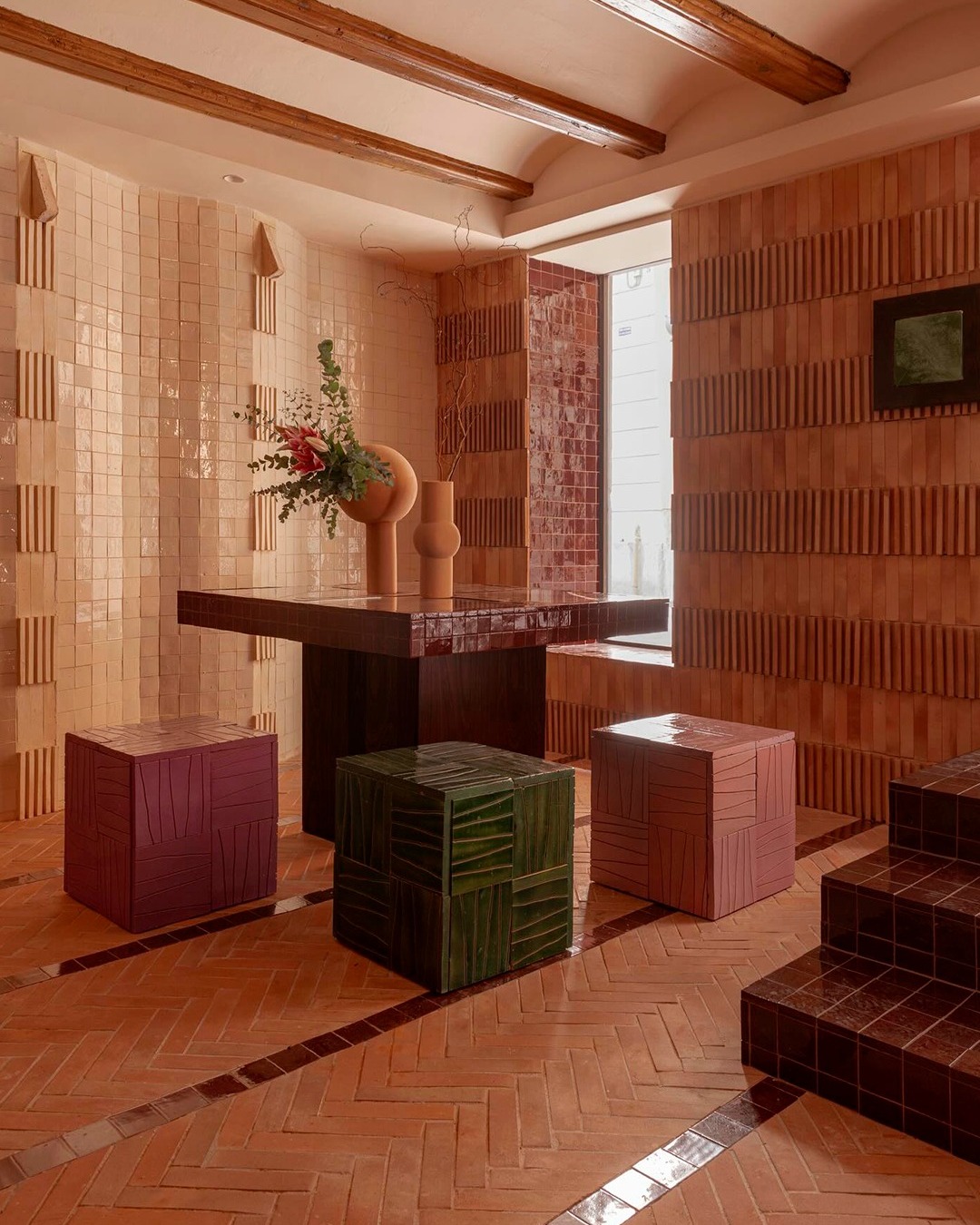 Studio Masquespacio, image by Elle Decor
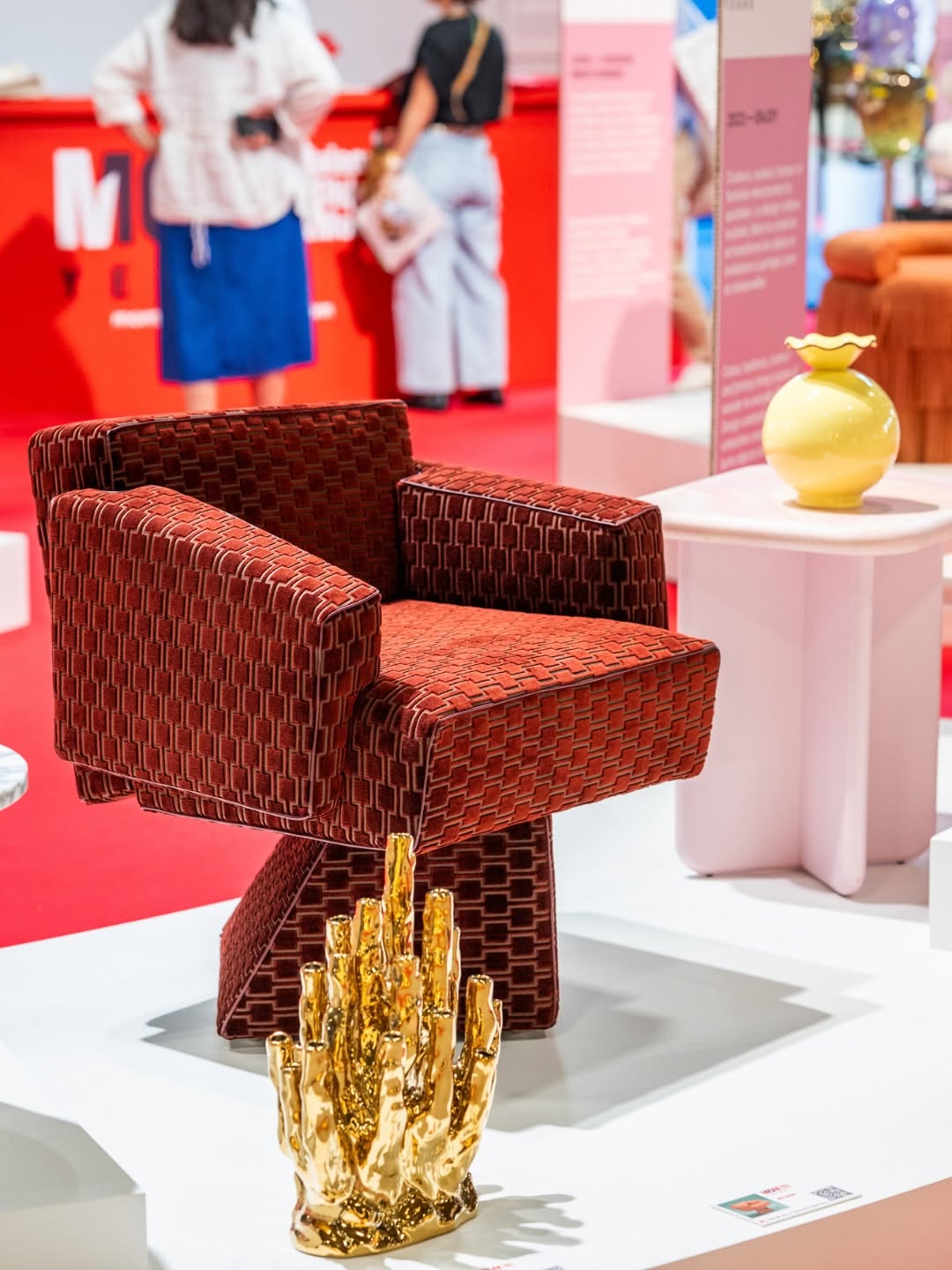 Bru Tel Dining Chair by Malabar
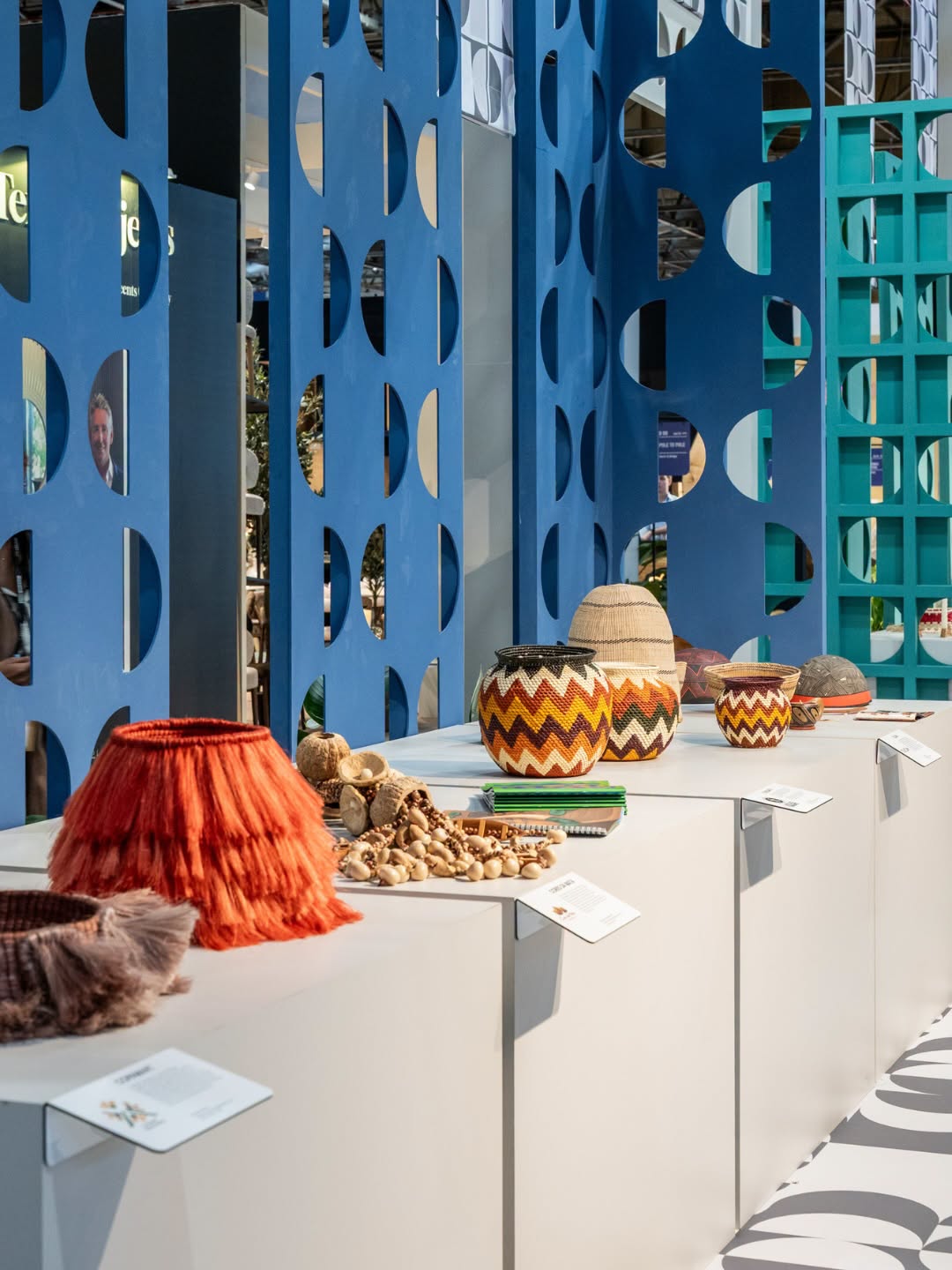 Maison et Objet Pulse
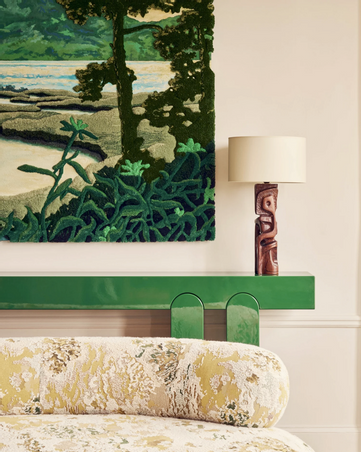 Fleur Delesalle. Image by Fleur Delesalle by @alexandre_tabaste_studio
 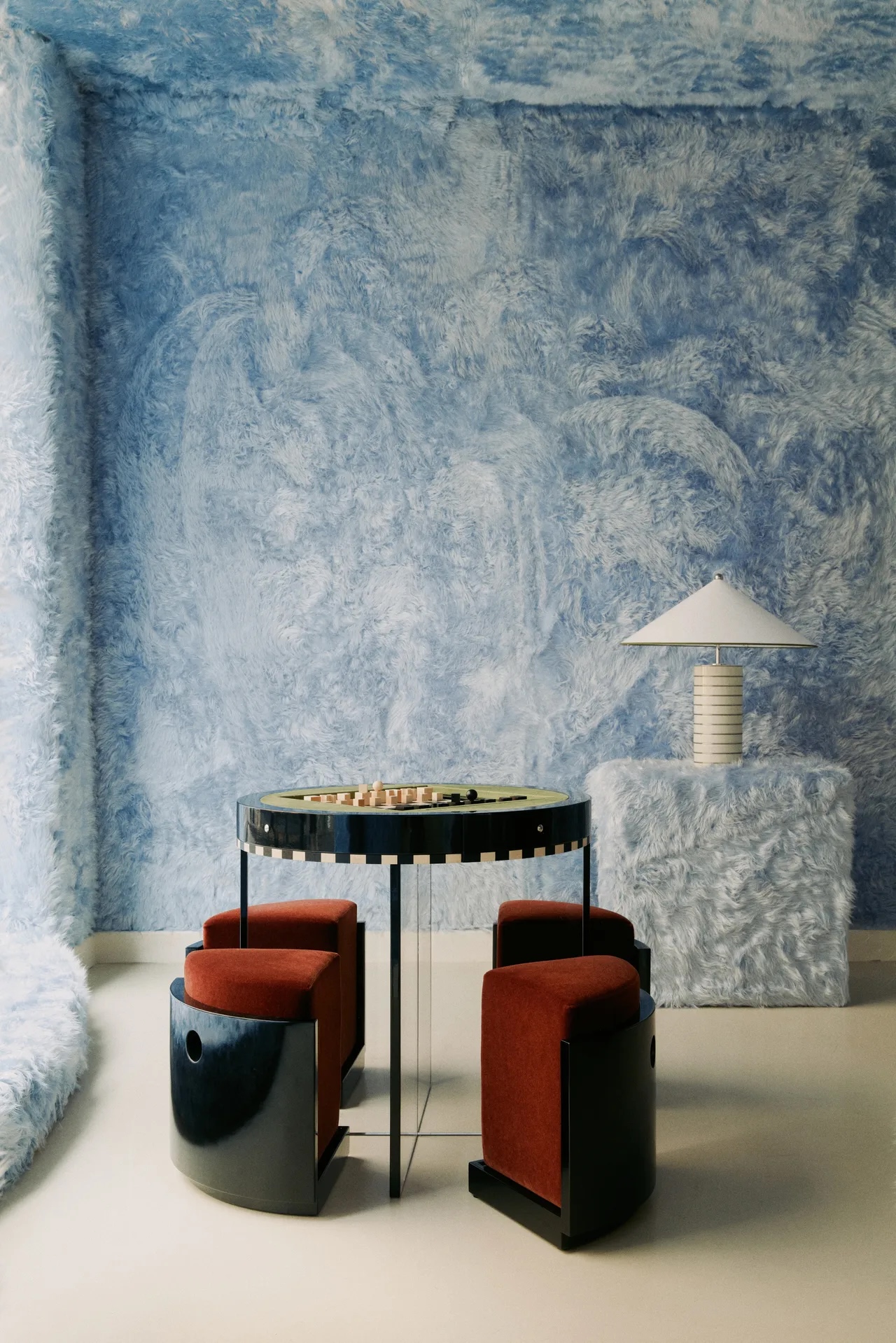 Ec8 New Collection Monde Singulier x Necchi architecture. Image from Paris Design Week
The talked-about trend for interiors specifically was indoor fabrics moving outdoors.
At Rubelli, silks and jacquards revealed luminous sheens and bold geometric patterns, with the collection extending outdoors into textiles designed to capture sunlight and the shimmer of the sea — a sign that the line between a living room and a loggia is dissolving in high-end textile design.
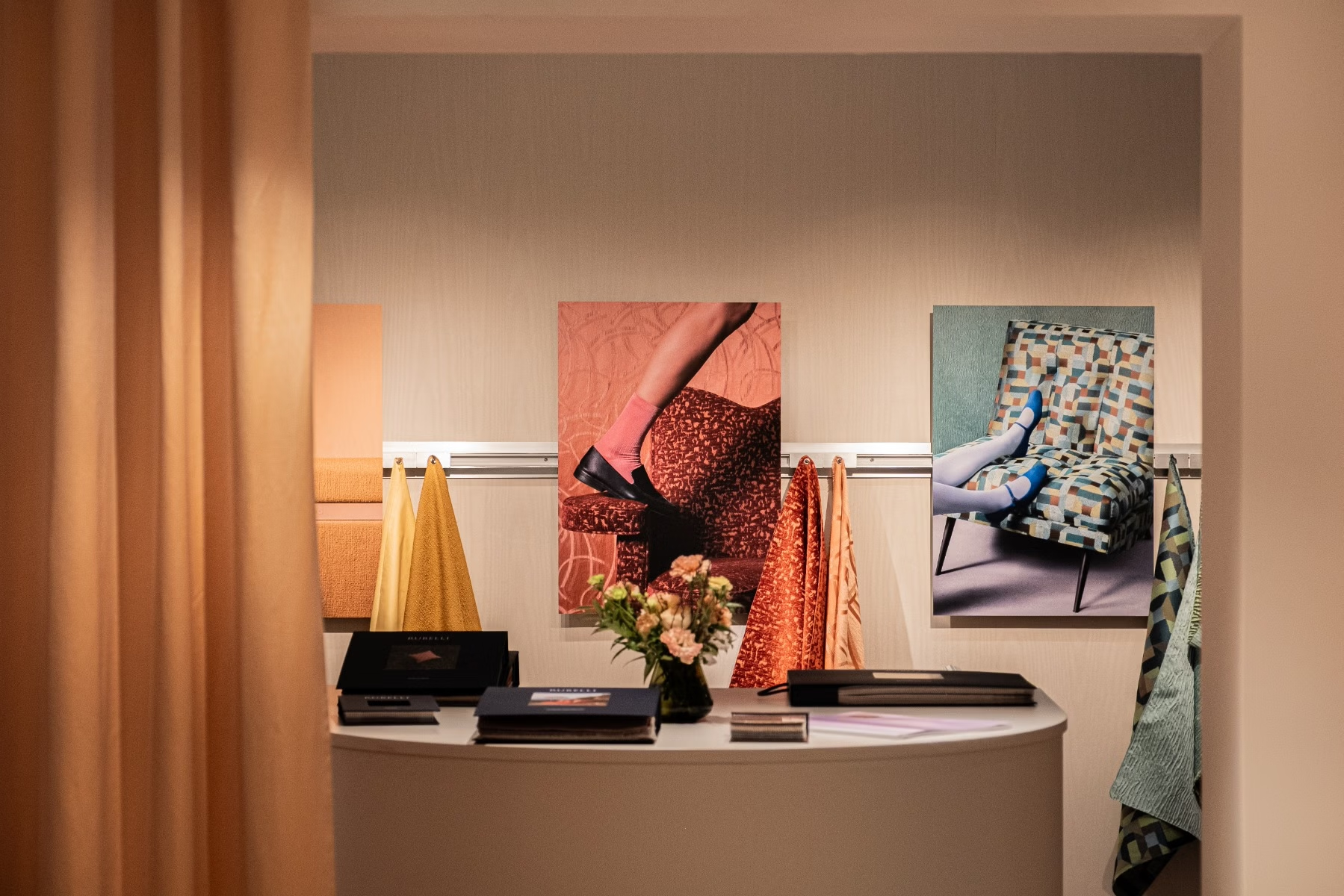 Rubelli's new collection Luce. Image from Paris Design Week
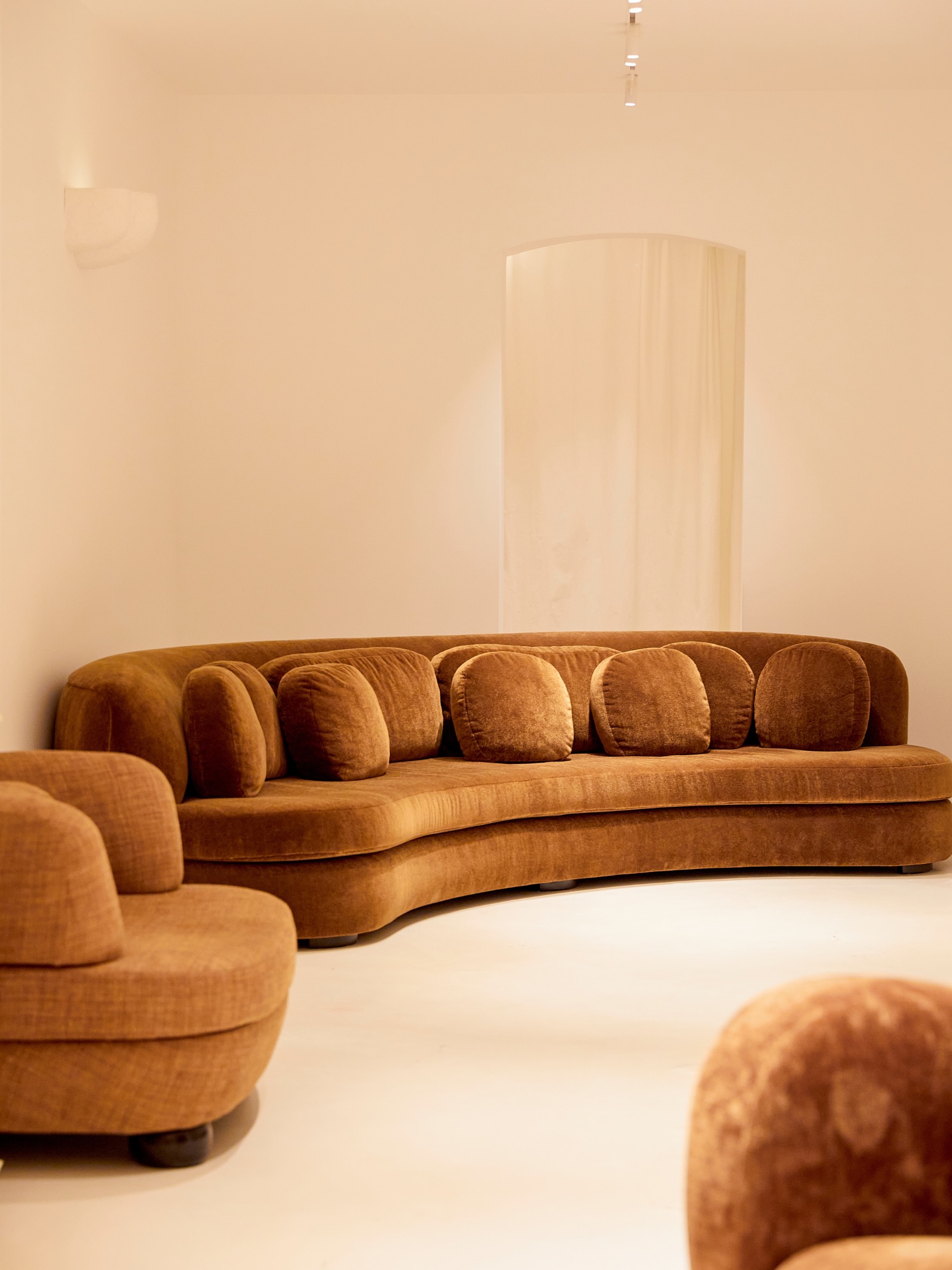 Pierre Augustine Rose. Image by Paris Design Week
Craftsmanship was the other obsession.
De Le Cuona built an installation around a short film called True Luxury Takes Time, previewing a collection inspired by global landscapes from Chinese rice paddies to American deserts and Incan trails, exploring how natural fibres become luxurious textiles through sculptural seating and layered fabric.
Fischbacher 1819 went even further afield, with a “Silk Road Collection” translating deserts, mountains and ancient cities into rich textures and materials.
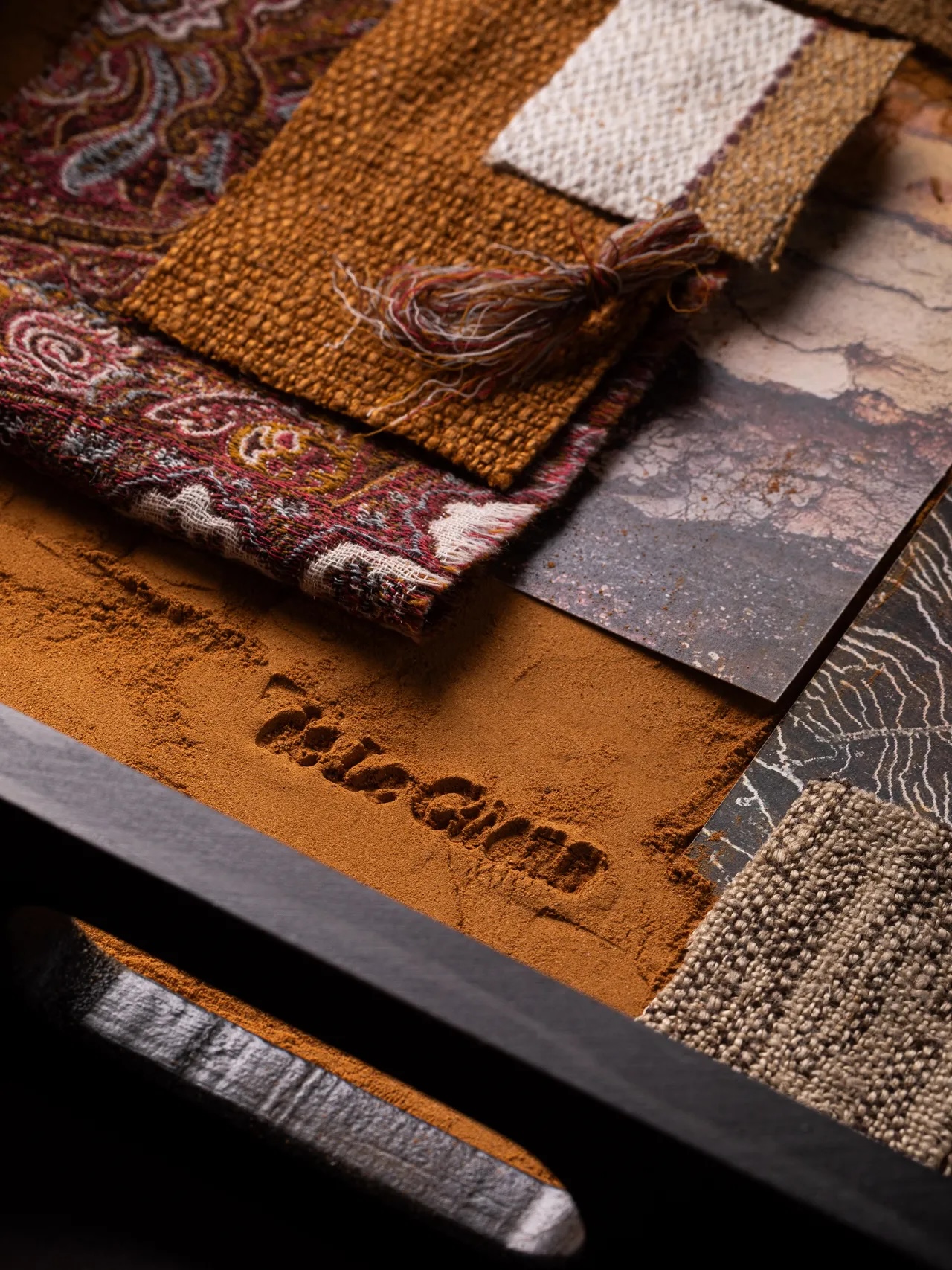 De La Cuona. Image by Paris Design Week
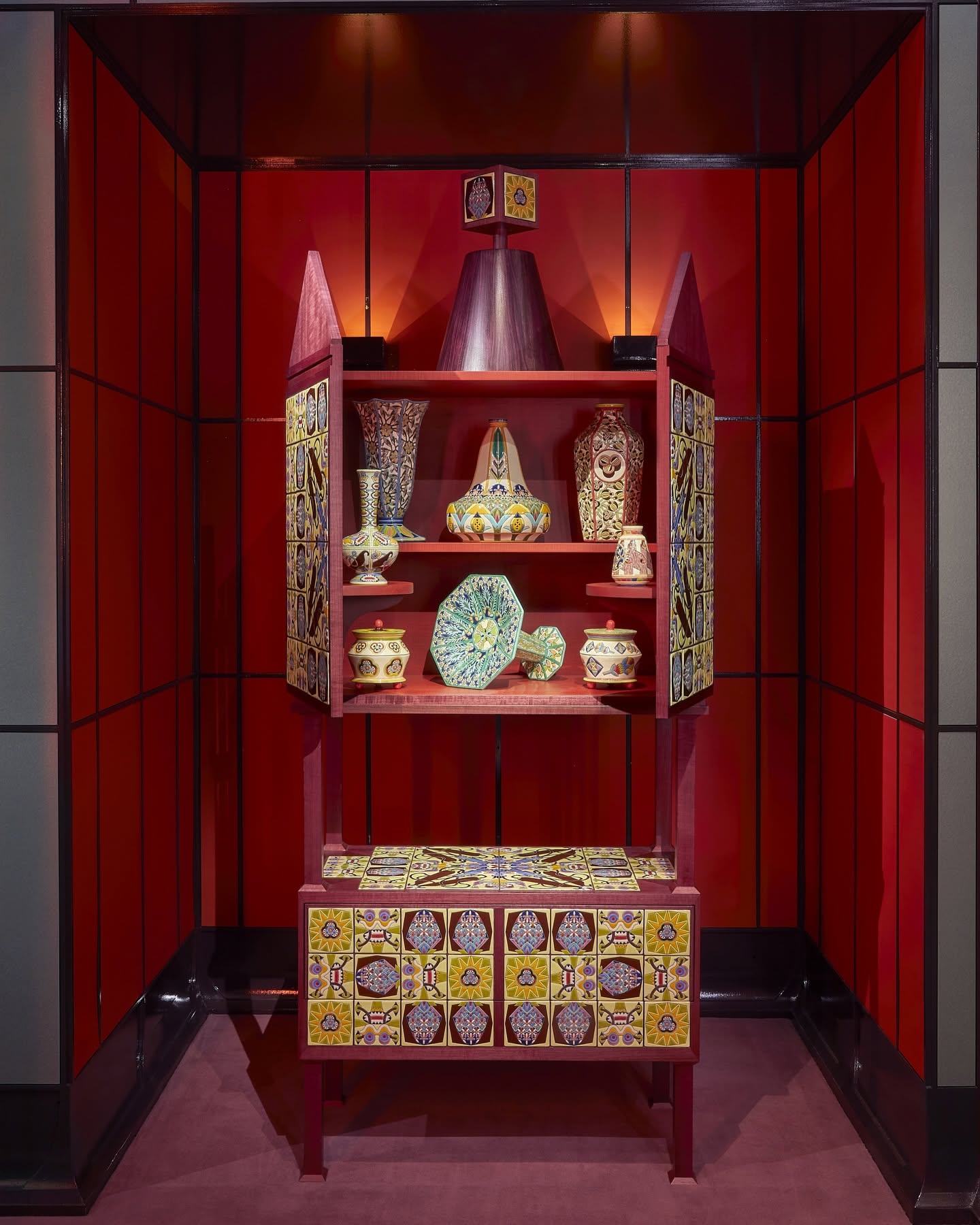 Manufactures Emblem x Pierre Marie. Image by Paris Design Week
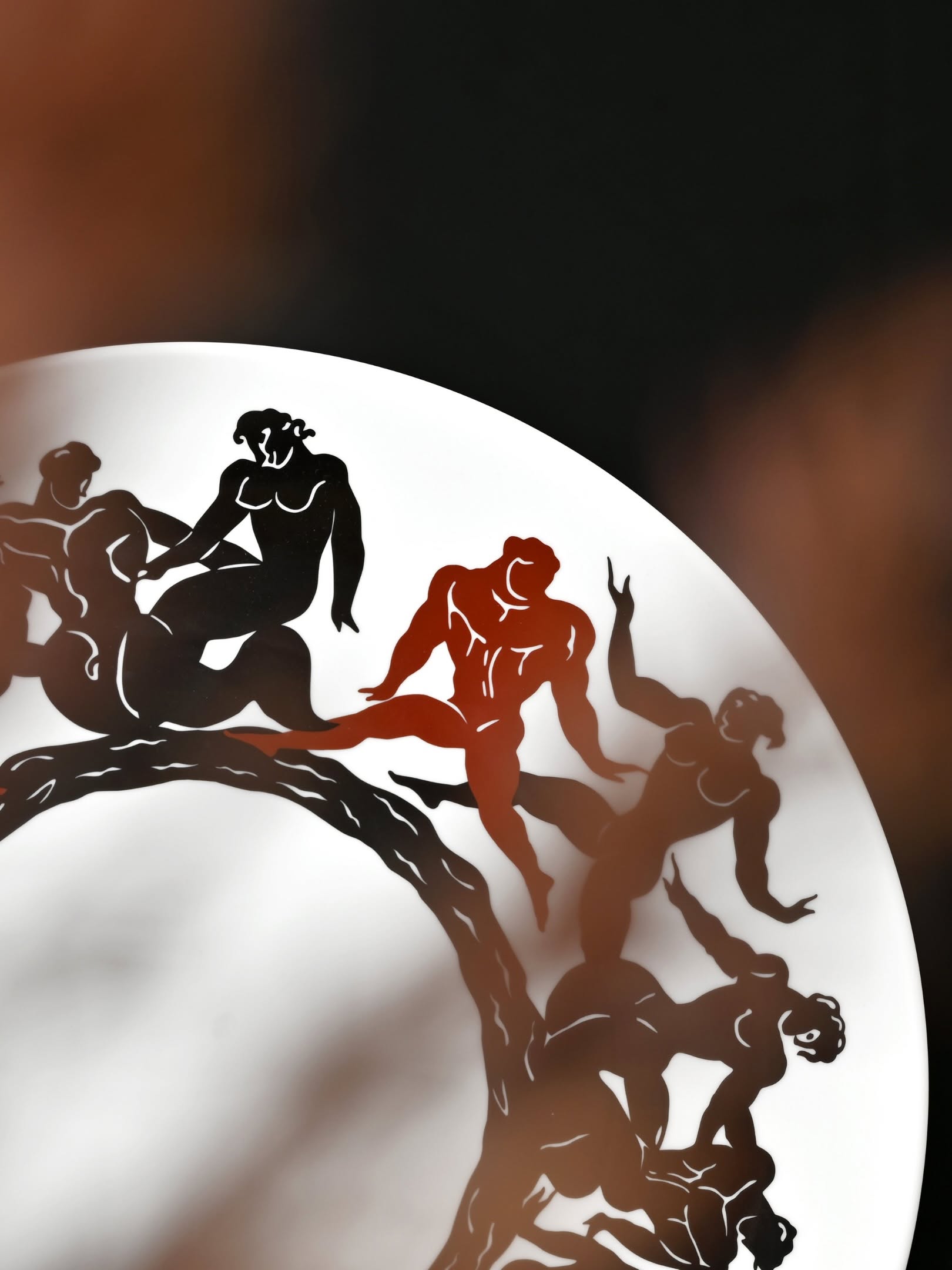 Haviland. Image by Paris Design Week
And then there was scale-as-storytelling. Julien Sebban’s Uchronia installed a monumental floral installation, “Le Grand Bouquet,” inside the Rotonde du Palais d’Antin at the Grand Palais, with illuminated petals appearing to emerge from the ground and follow the room’s circular architecture, and circular seating inviting visitors to gather at its base — arguably the single most photographed interior moment of the week.
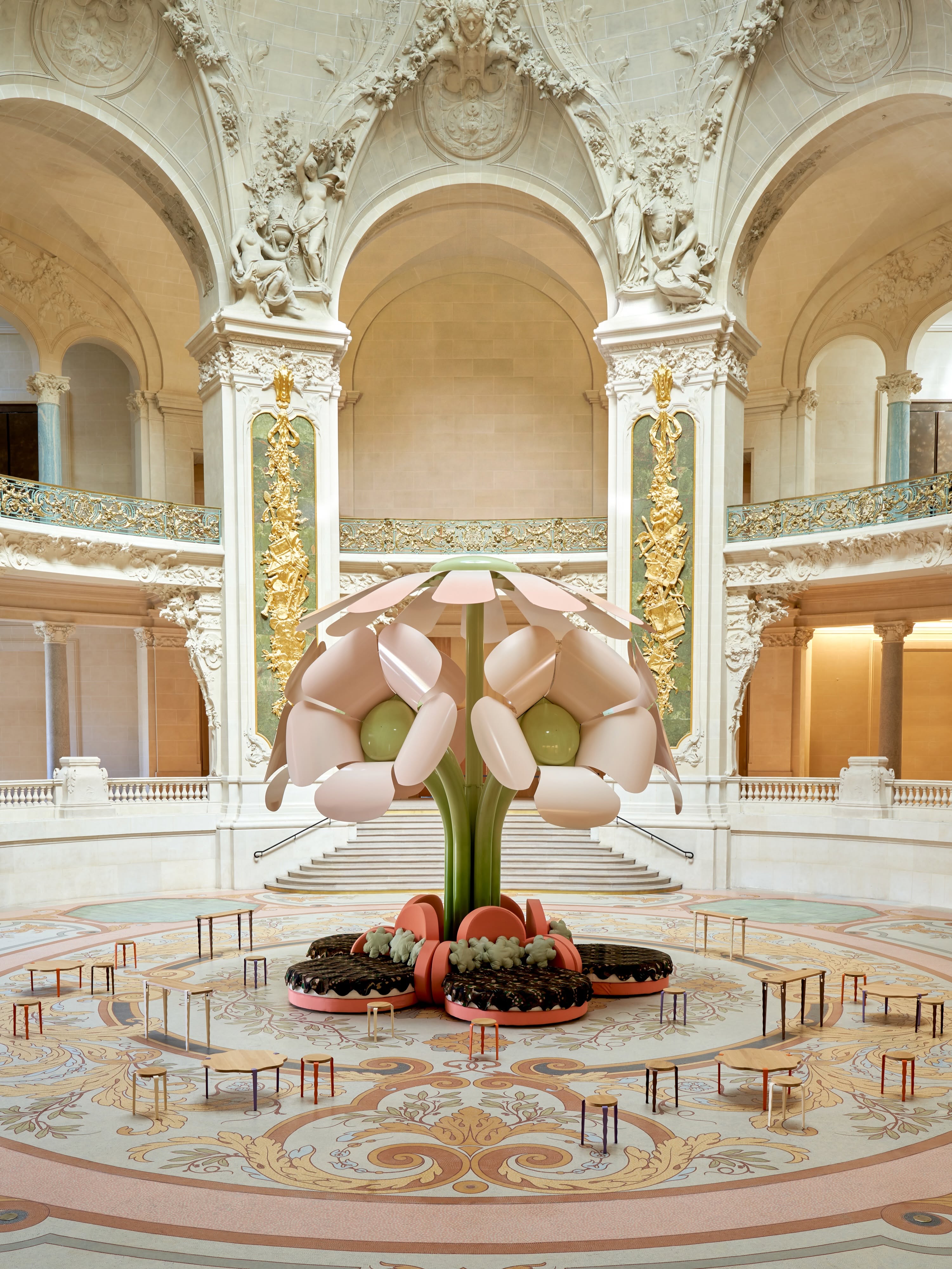 Le Grand Bouquet at the Grand Palais by Uchronia. Image by Paris Design Week
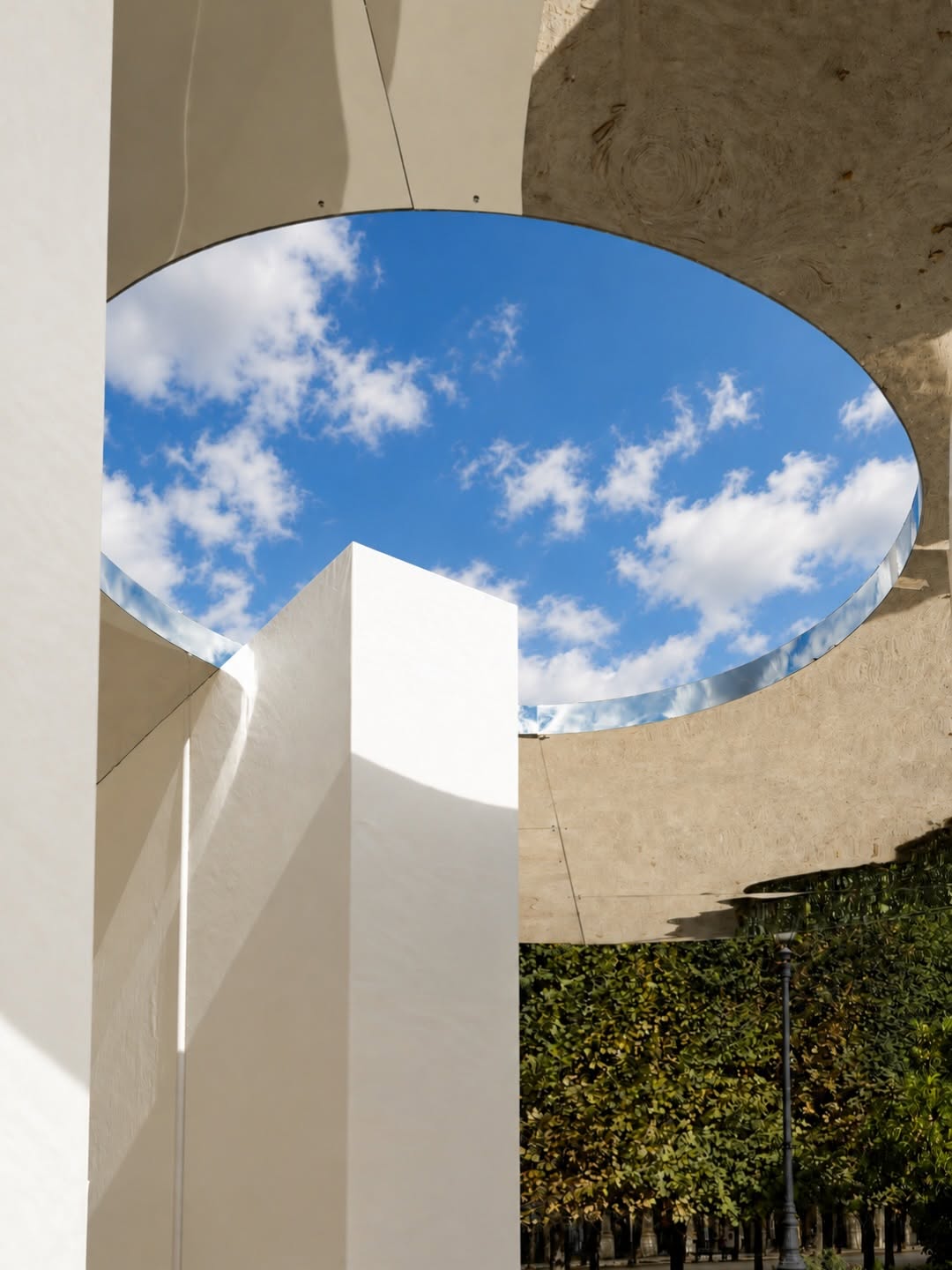 Domain Nacional du Palais Royal. Image by Paris Design Week
Sustainability quietly underpinned all of it: the Eco-materials Corner at Maison&Objet highlighted green building approaches, reflecting a market growing tired of disposable aesthetics in favor of longevity, repairability, and emotional durability.
London: AI meets the artisan, and heritage buildings become the exhibit
If Paris was about material indulgence, London’s story was about origin and future colliding.
This year’s program explicitly framed craft and artificial intelligence sitting alongside one another, as historic techniques were revisited through contemporary collaborations exploring migration, ecology, and cultural exchange.
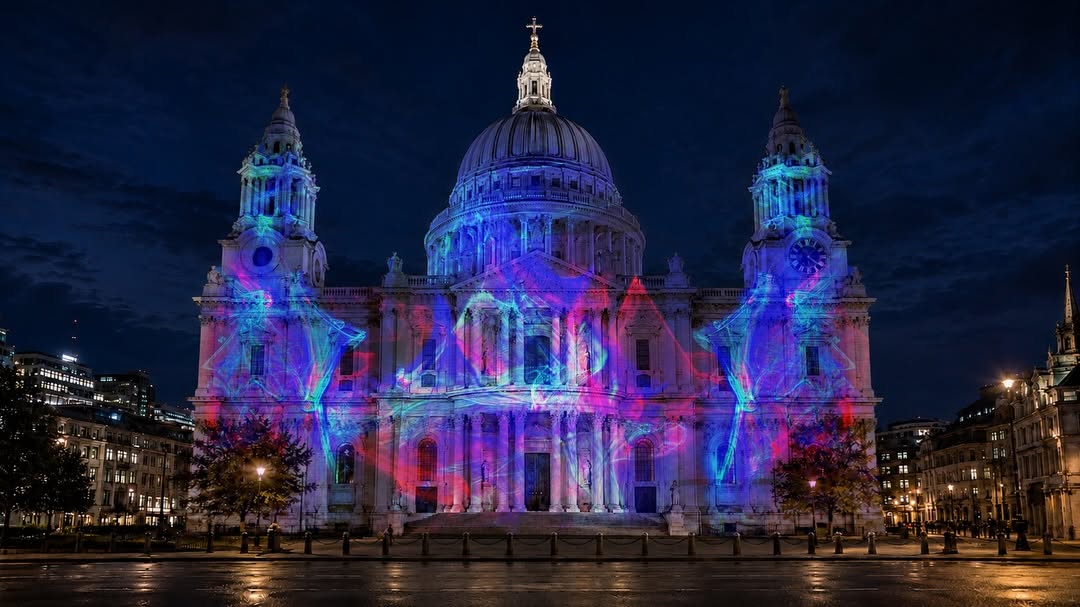 Soul visual installation by Mykola Kabluka at St. Paul's Cathedral. Image by Mark Cocksedge for London Design Festival.
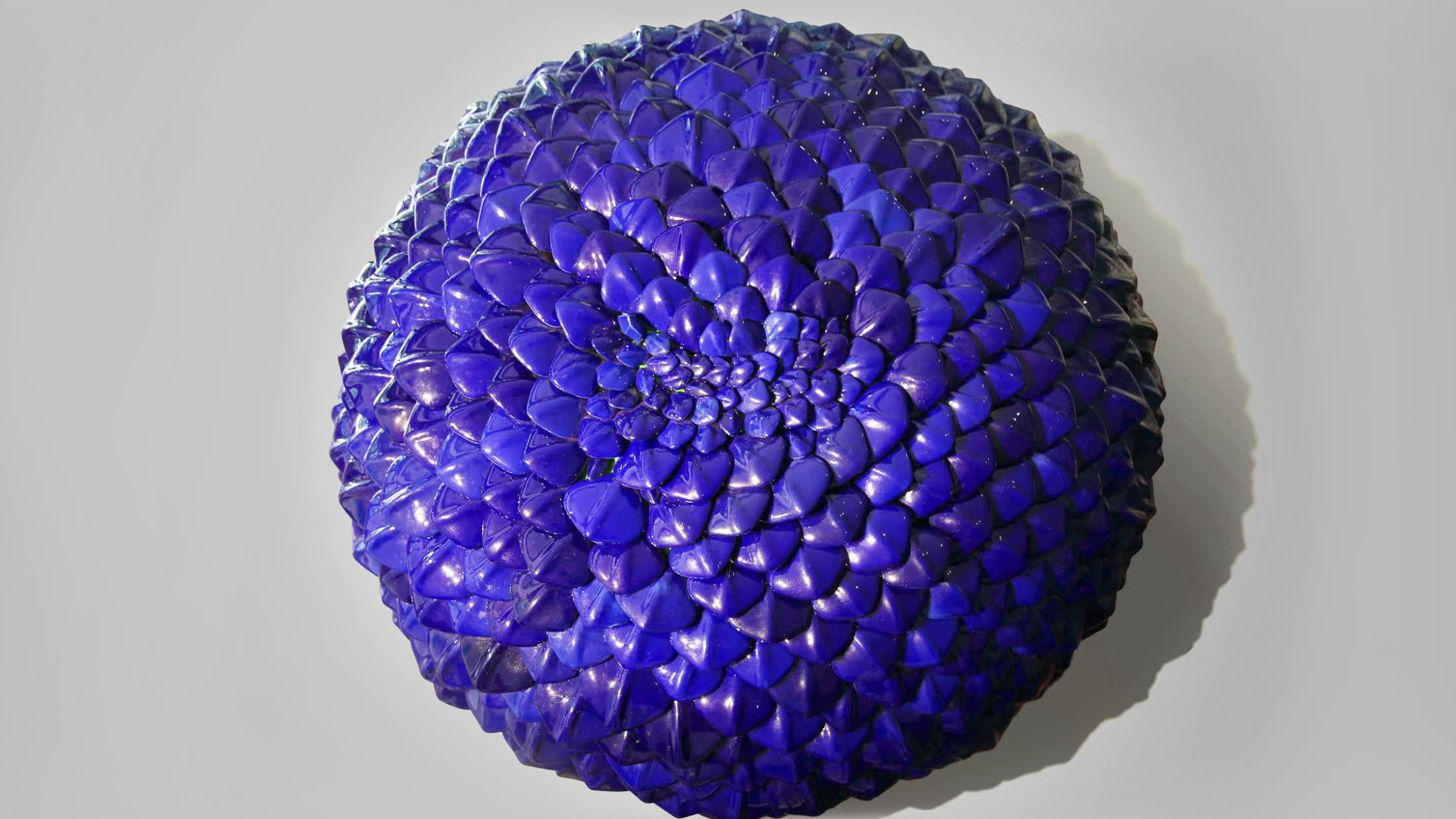 Reviving Craft: Reflection of the Mind exhibition at Somerset House
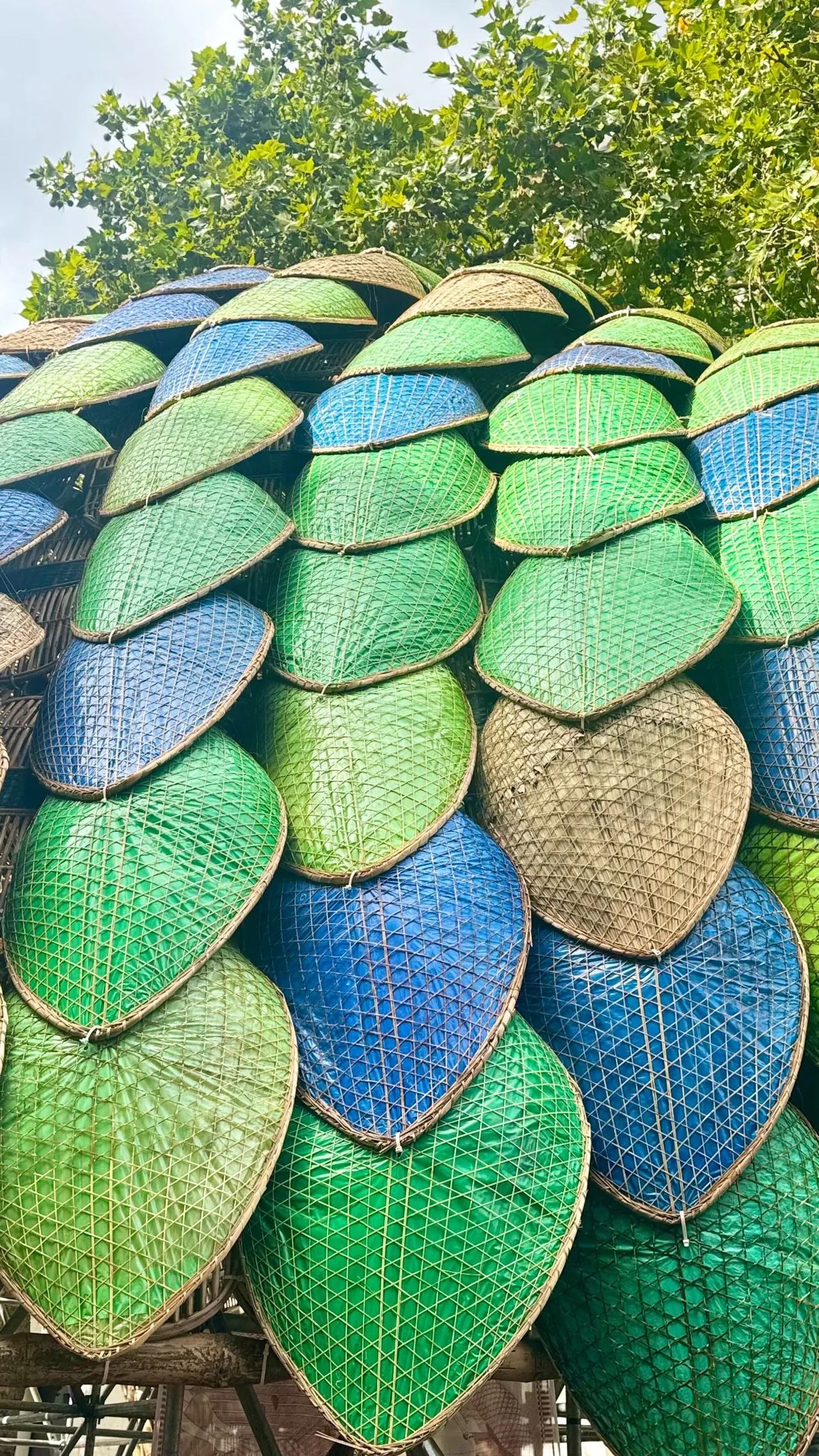 The Pangolin Shield by Studio Saar and Atelier One on Strand Aldwych. Image by London Design Festival
The most interiors-relevant thread was the Craft x Tech Tokai Project, pairing Japanese artisans with international designers.
Highlights included Fushi, a lacquered desk with integrated lighting made with Mino Yaki ceramicists, Arimatsu Narumi Shibori tie-dye work from Bethan Laura Wood, and dotted cloisonné vessels co-authored with Philippe Malouin — a masterclass in what “quiet luxury” looks like when it’s rooted in centuries-old technique rather than a beige palette.
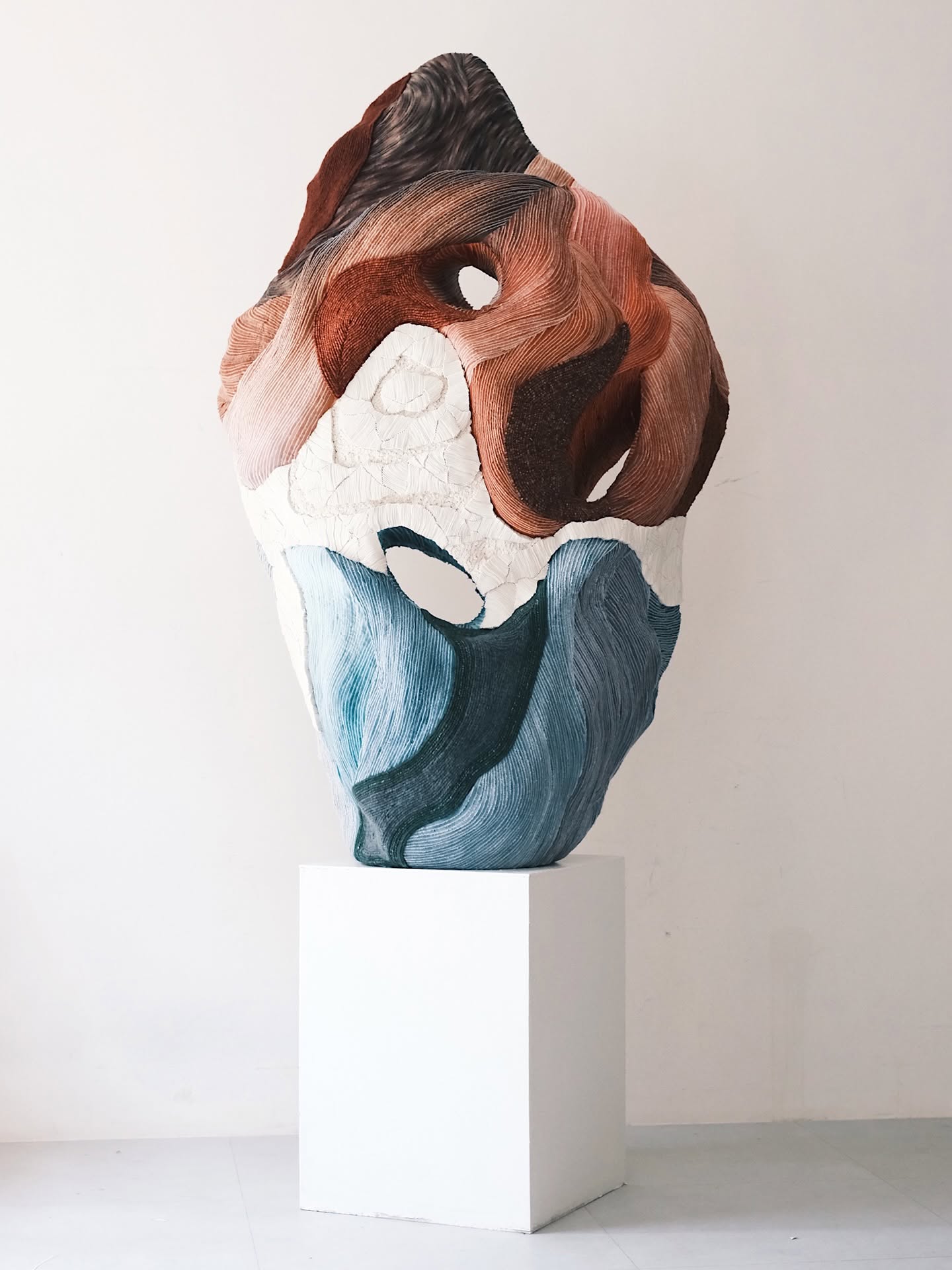 Soft Monolith by Xuang Xi
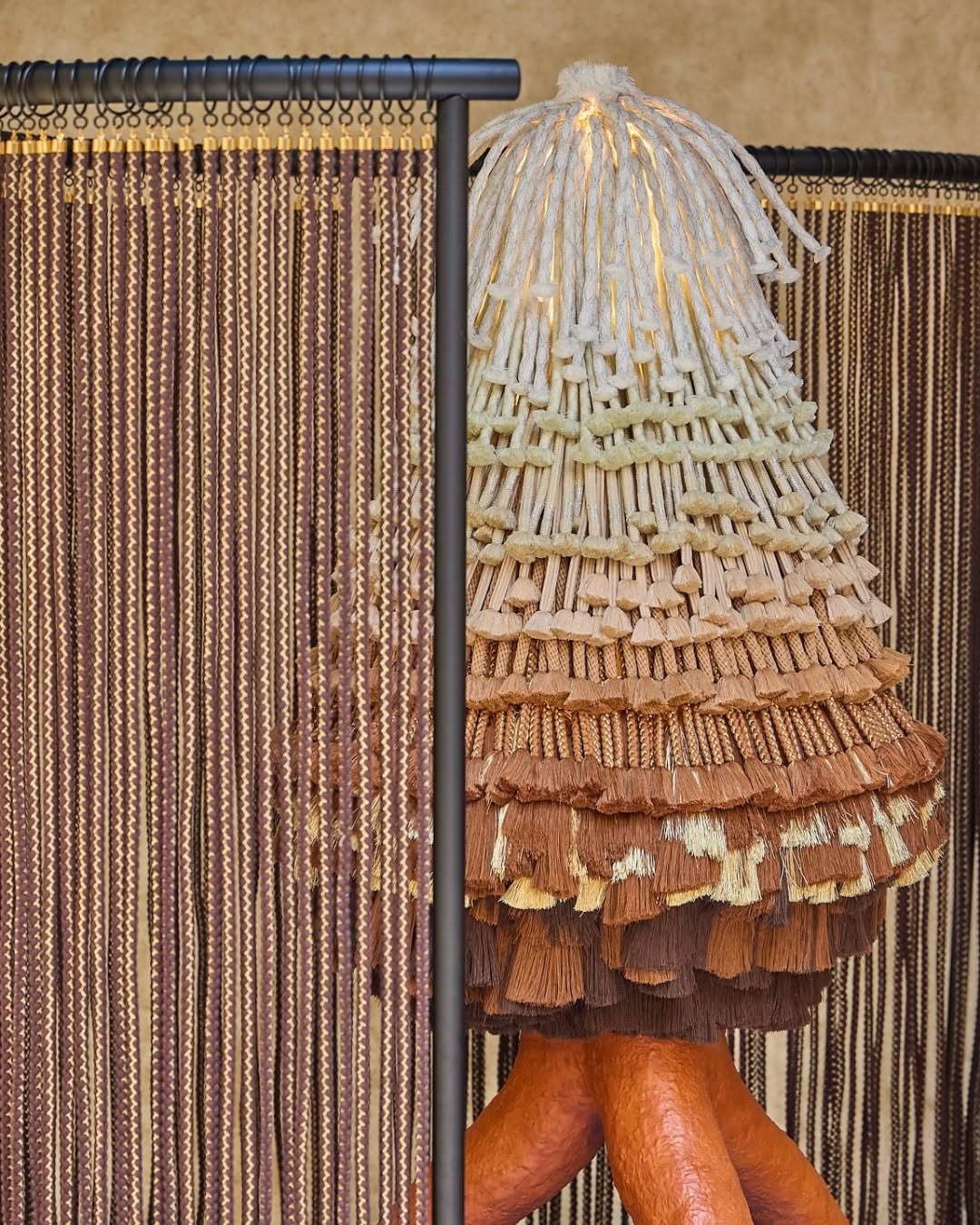 'Yamollo'by Iga Kumihimo x Atang Tshikare at the Craft x Tech Tokai Project exhibition. Image from London Design Festival by Masayuki Hayashi
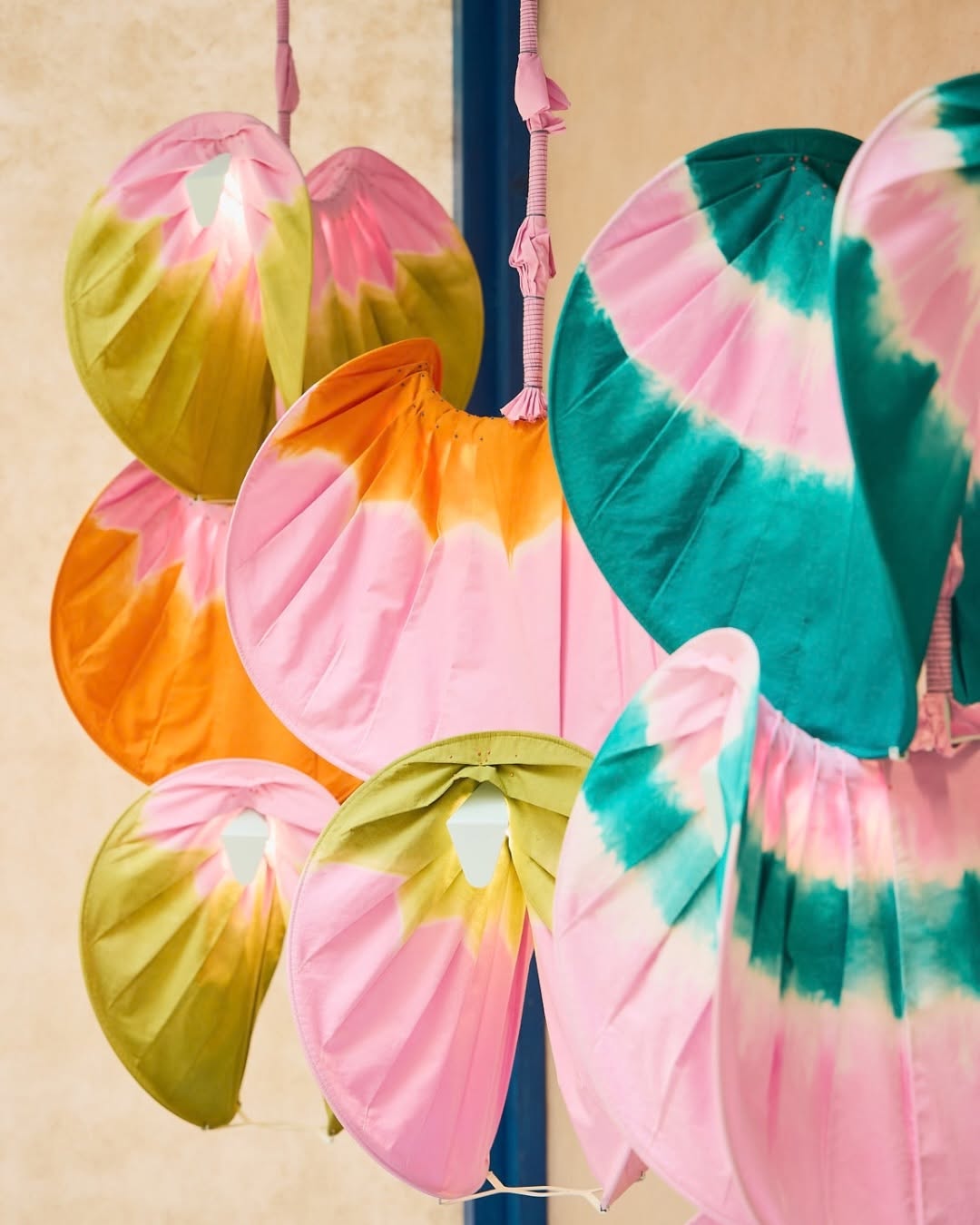 Kataginu, Arimatsu Narumi Shibori x Bethan Laura Wood, Image London Design Festival by Masayuki Harashi
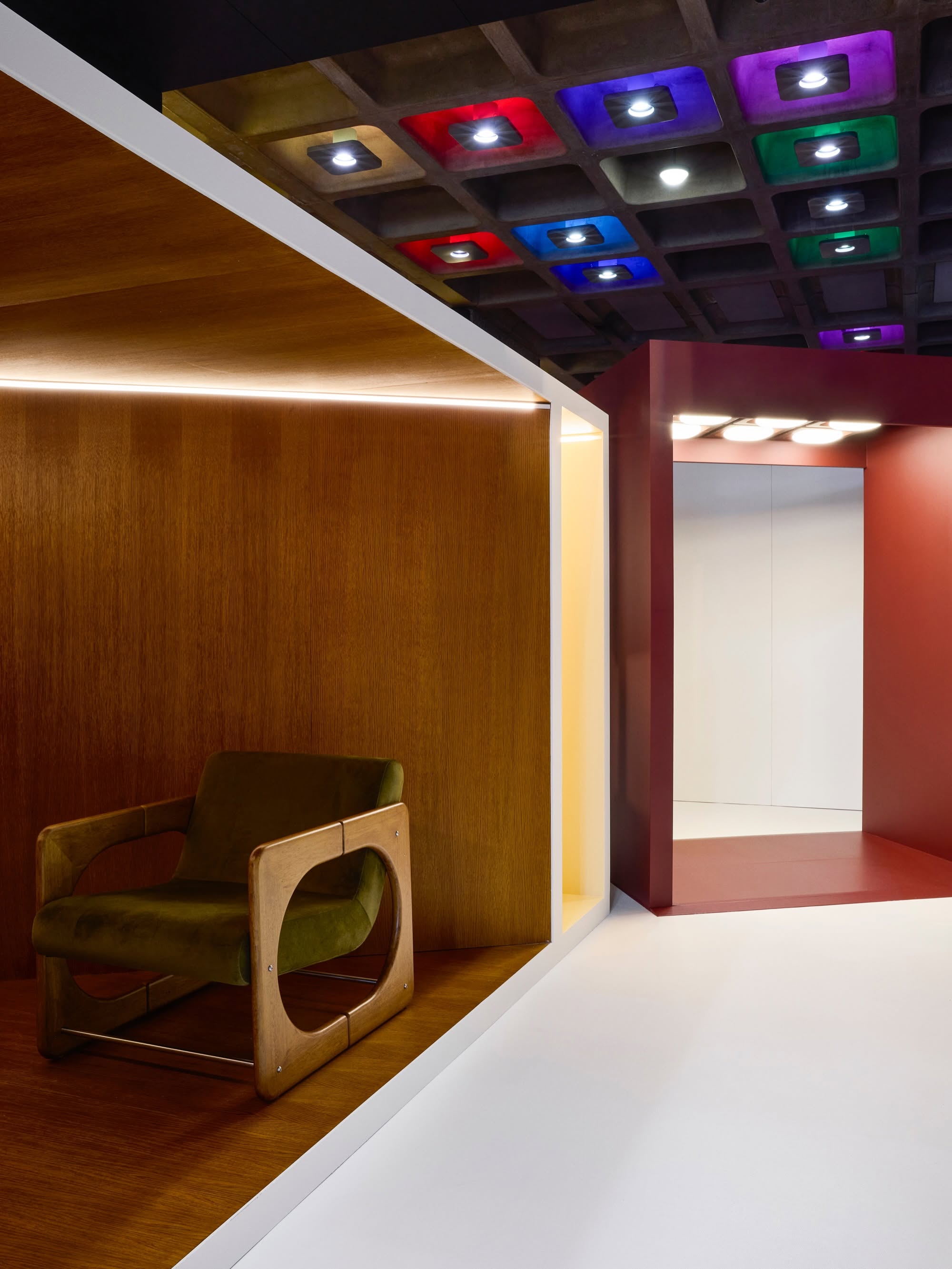 Made x Barbacan. Image London Design Festival by Mark Cocksedge
London also turned its historic architecture into the actual product. MADE x Barbican presented a 23-piece furniture collection directly inspired by the Barbican Estate’s brutalist architecture, while at the V&A, the Awakenings exhibition brought together designers including Aziza Kadyri, Eunjo Lee and Henry Svendsen across new commissions exploring sound, identity, artificial intelligence and the natural world.
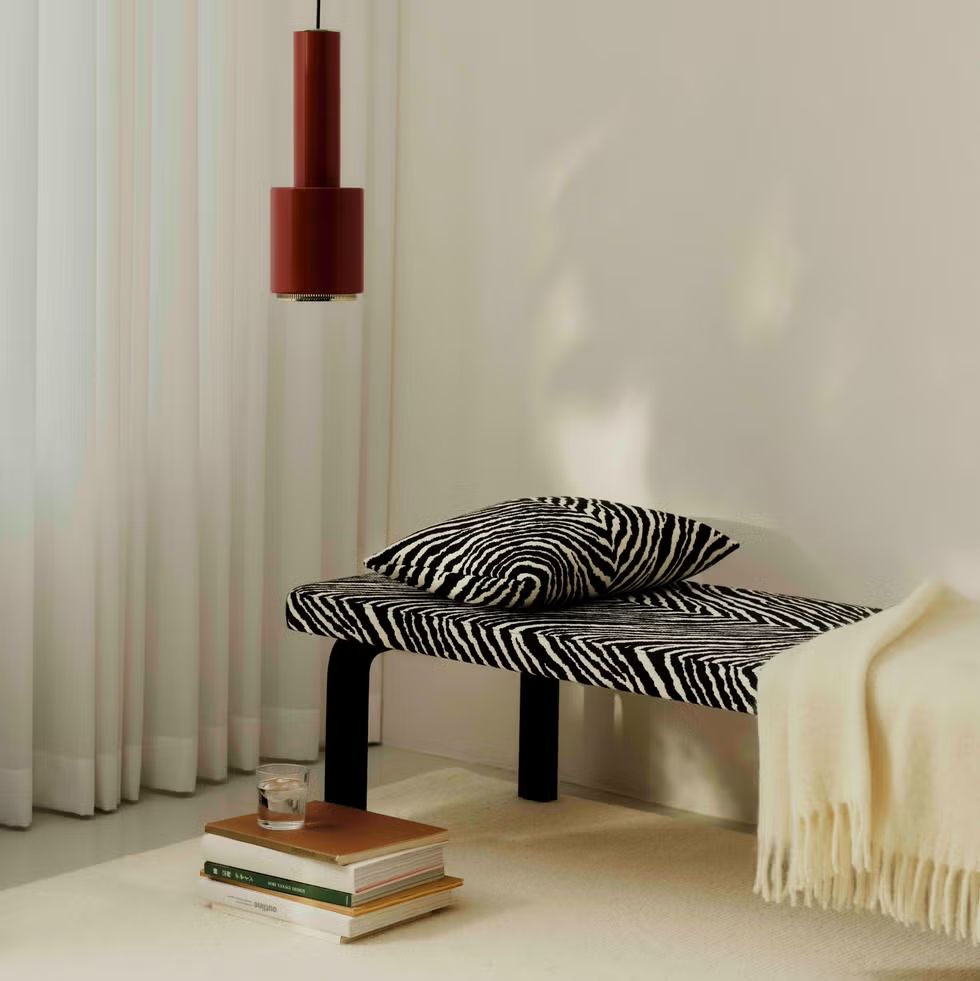 Zebra accessories by Artek Tramshed. Image by London Design Festival
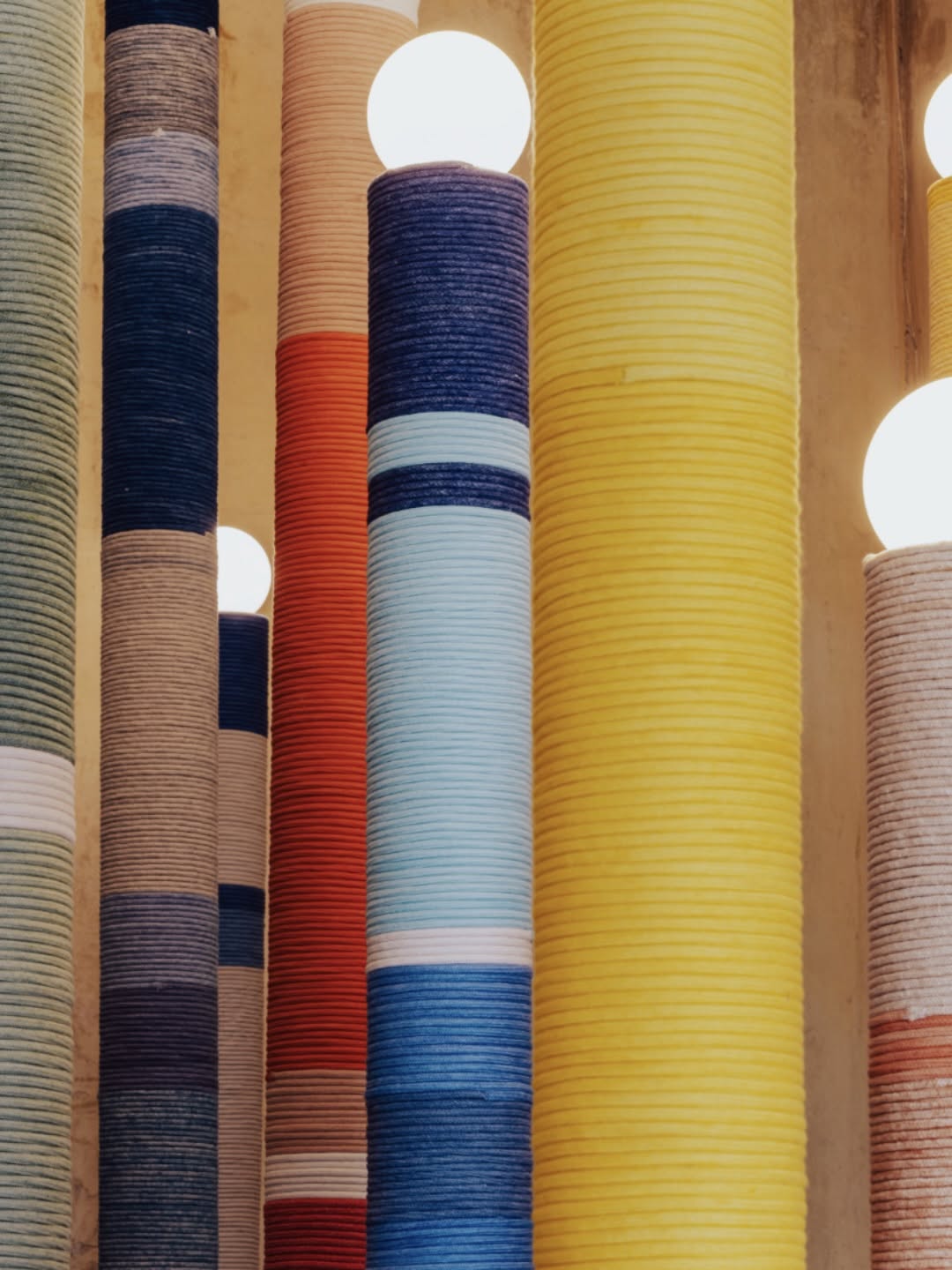 Carding Collectibles by Studio Gonzalo Bascuñán. Image by London Design Fair
Artek’s East London showroom was a highlight: the brand revived ‘Zebra,’ Aino Aalto’s 1935 jacquard, in a new brown-and-white colourway across cushions and bags — proof that Nordic archive revivals still have real pull. Meanwhile Bert May’s tile collaboration with Sister by Studio Ashby, “A Lasting Imprint,” launched at a canal-side Shoreditch warehouse, part of a broader Shoreditch Design Week that grew to more than 60 showrooms, galleries and creative spaces.
The three interior design insights we should actually take from this
Textiles are going outdoors, permanently. Not “outdoor fabric that looks indoor” — the reverse. Expect more sheer, light-reactive weaves used in conservatories, garden rooms, and indoor-outdoor thresholds.
Heritage pattern revival, but hyper-specific. Not generic “vintage,” but named archival reissues (Aalto’s Zebra, Quenin’s historic motifs) treated like provenance pieces.
Craft is the new luxury signifier, ahead of finish. Both cities foregrounded process — hand-thrown ceramics, shibori dyeing, marquetry — over polish. If a piece can’t explain how it was made, it’s losing the room.
Both weeks land on the same conclusion from opposite directions: after a decade of minimalism, interiors are being asked to have a story, a texture, and — increasingly — a hand behind them.
Feature image: Play Armchair by Dmytro Kozynenko - Galerie Sana Moreau. Image: Maison et Objet.
 |
 |
 |
 |
 |
 |
 |
 |