


London Design Festival: 100% Design
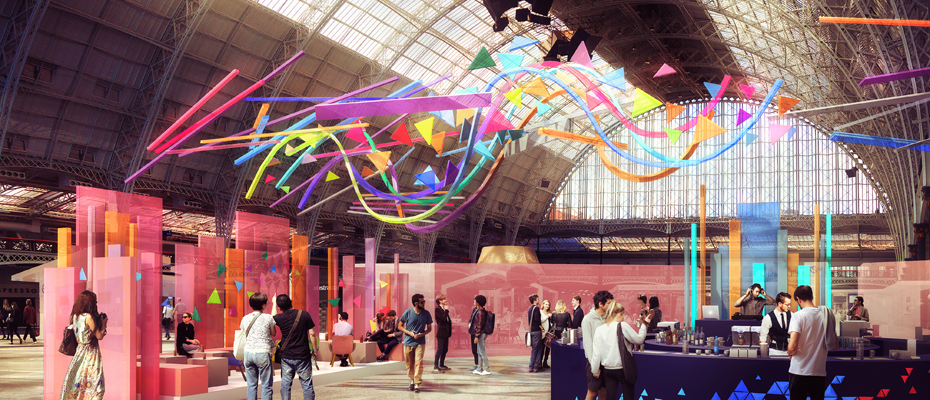
One place where you are likely to run into our team of top London interior designers this week is 100% Design – a popular and important exhibition for industry professionals. In fact, many people would say that it is the linchpin of the London Design festival. It certainly is the largest and longest running exhibition, having been running since 1995. On the back of its success in receiving nearly 30,000 visitors last year, it has been moved to Olympia this year. It will be held there between the 23rd and 26th September.
100% Design has collaborated with WGSN, the leading trend-forecasting company, to create a colour palette for 2015’s 100% Design. The show itself is separated into sections: Interiors, Workplace, Kitchens and Bathrooms, Design and Build, and (new for 2015) Luxury and Modern British.
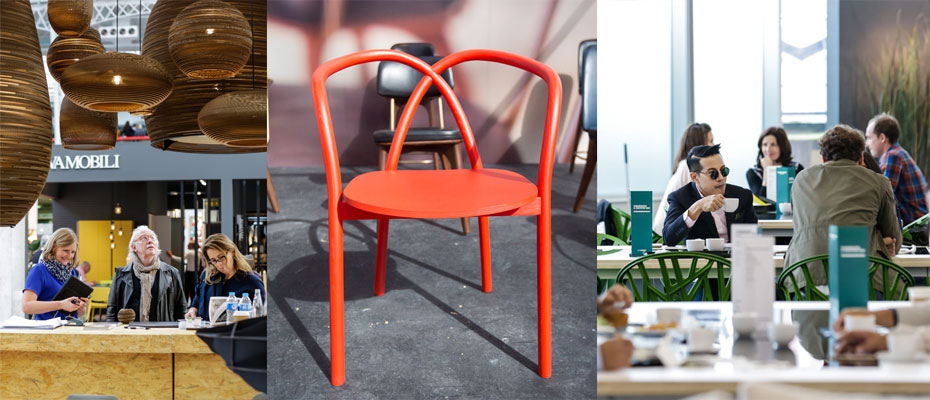
As the UK’s largest design trade event, 100% Design has over 400 exhibitors. There are also installations, workshops and an inspiring seminar programme. The theme of the talks this year is colour, and the effect that it has on space. How can we use colours to the best effect? What does the choice of colours say about your brand? There are also other talks by industry professionals, such as one by Serena Borghero, who will talk about humanising workspaces.
For the first time, 100% Design will also run another stage that will offer practical advice and guidance, that aims to give tips to all businesses, whether large or small.
100% Design cherry picks smaller, emerging brands to feature alongside the well-known companies. This fusion of talent, from all areas of the world of design, is what creates so much inspiration and even excitement for those who attend.
London Design Festival: The Deadgood Library
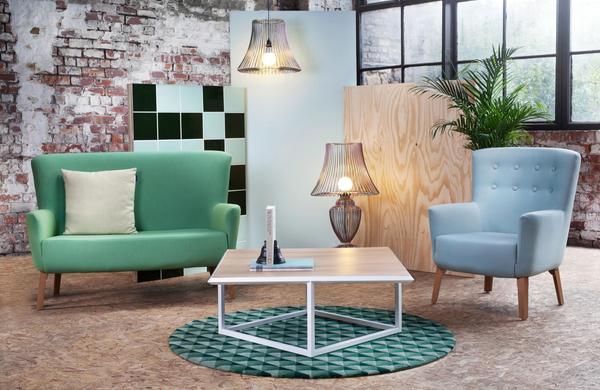
Callender Howorth team of luxury interior designers will be attending some of the most prominent exhibitions on the London Design Festival calendar. One such exhibition is the The Deadgood Library. It is the result of a collaboration between YCN and Deadgood, who decided to create an immersive space in a temporary showroom for the London Design Festival. YCN is the group that promotes connections within the industry, communicating creative ideas to people working in the field of art and design. As a leading design company, that creates cutting edge lighting, furniture and interior products, Deadgood’s designers rose to the challenge of a collaboration with YCN.
With a focus on paper as a medium, they have designed a space that showcases colourful, new and classic Deadgood products in a sea of suspended, white sheets of paper. Walking through this display, people are immersed in the ethereal atmosphere that has been created.
Deadgood was established by two designers and friends, Dan Ziglam and Elliot Brook, who shared a simple vision to become known globally as a respected design brand and to be recognised for developing a collection of 21st century design classics. This British born brand designs, develops and distributes “products with personality” with a strong emphasis on eclectic characteristics, quality and longevity. Many of their investment pieces have been successfully sold to commercial environments and creative companies.
This temporary exhibition, which is part of the London Design Festival, is being held at YCN’s Shoreditch location. Shoreditch is rich in contemporary creative companies and a great place to draw designers from the industry, as well as influencers and interested parties.
The London Design Festival is an annual event that seeks to inspire creativity and showcase innovation at an international level. It is the conception of Sir John Sorrell and Ben Evans, who wanted to bring all kinds of British designers and interested parties together to motivate, provoke and discover design. It has been so successful that 80 countries have followed suit, establishing their own design festivals. British designers can feel proud that the English capital is home to the very first one.
The Deadgood Library is happening from the 19th to 27th September 2015 at The Library, 72 Rivington Street, Shoreditch, EC2A 3AY
Discover the Future of Luxury Design: Decorex 2015
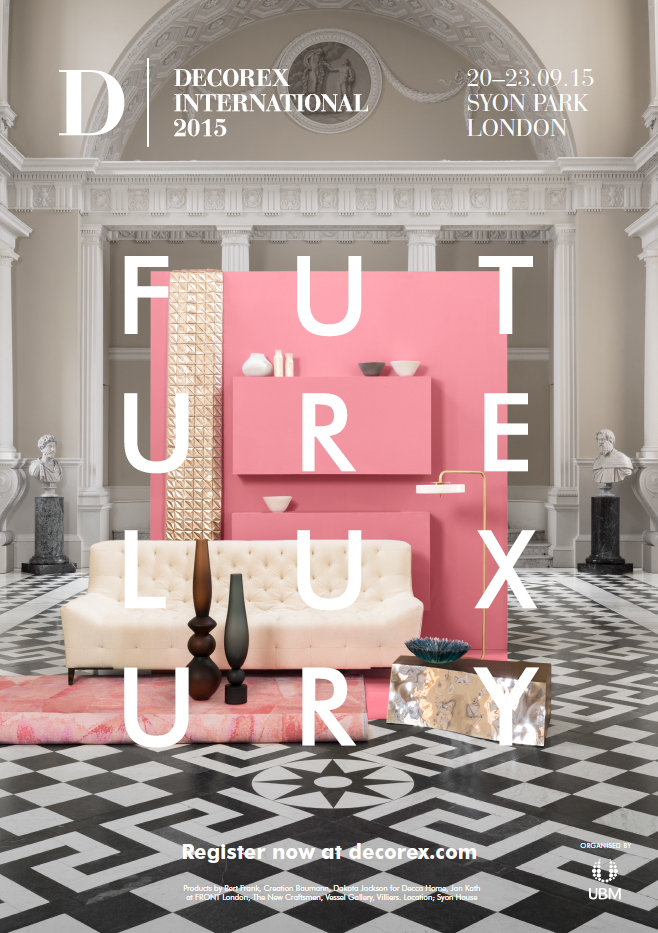
As Britain’s most prestigious and well-established luxury and interiors show, in its 38th year, it is appropriate that Decorex should open the London Design Festival.
Located at the wonderful new venue of Syons Park in West London, Decorex will feature over 400 UK and International luxury and interiors brands, including 100 new brands, all of which seek to both inspire and showcase the latest trends. Syon House is a beautiful building, set in its own 200 acres, bordering the Thames and opposite Kew Gardens. This location, rich in history, architecture and natural surroundings, is an ideal venue for Decorex.
With a focus on the finest craftsmanship, new technologies, emerging talent and inspiring design, Decorex is the premier destination for anyone with an interest in luxury and interiors.
The London Design Festival was started by Sir John Sorrell and Ben Evans in 2003, with the purpose of promoting the creativity in the capital and showcasing the talent of the UK’s world class design community. Its success has led to design festivals being begun all over the world. The London Design festival brings together thinkers, practitioners, retailers and educators, who seek to inspire and be inspired by the work that is being showcased.
As a leading multi-discipline design firm based in London, Callendar Howorth will be attending the show. Callendar Howorth’s reputable team of London’s top interior designers, architects, stylists and project managers are innovators in the world of luxury interior design.
Now You Can Decorate your Place Like a Pro: 5 Interior Design Secrets
A delightfully decorated interior does not only look beautiful, but also creates a feeling, which adds a personal character to your home. To get your pad to look like a professionally decorated space, you need to follow these simple five tips used by top London interior designers. Although you will undoubtedly benefit from hiring a passionate interior designer to brighten up your household – remembering these five fundamental principles will enable you to find your home’s hidden personality.
Break All The Rules
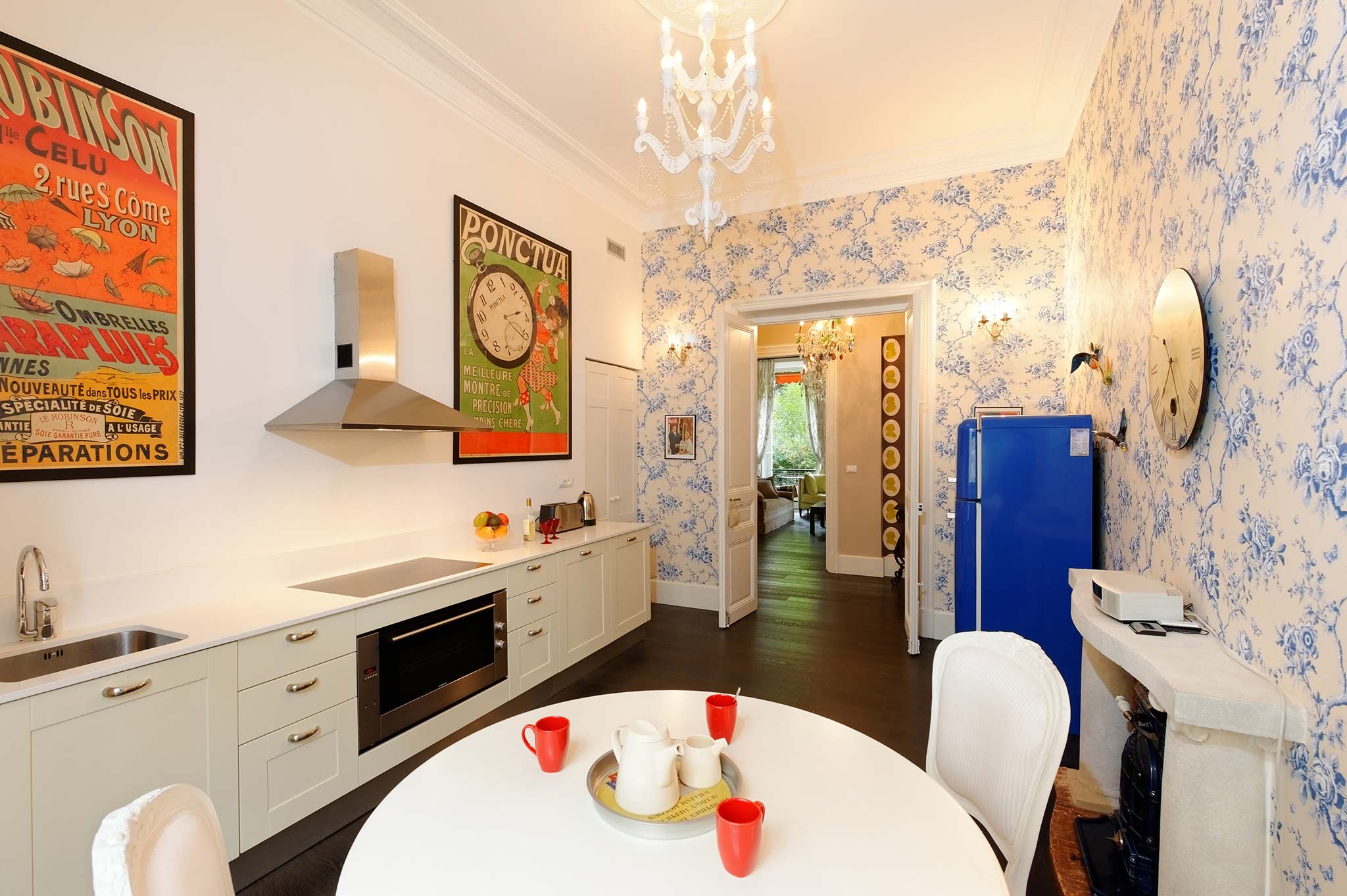 Being a stickler for the rules will only stifle the creative limitations of your home’s interior. Top interior designers know that some rules were simply meant to be broken. Ignore conventional wisdom and experiment with different ratios, styles and patterns, which speak to your heart in order to find the unique voice that your home deserves.
There is nothing wrong with painting a small room in dark colours or not following the sink-to-fridge ratio. Sometimes leaving those preconceived notions at the door can help you come up with outstanding interior designs.
Experiment With Colour
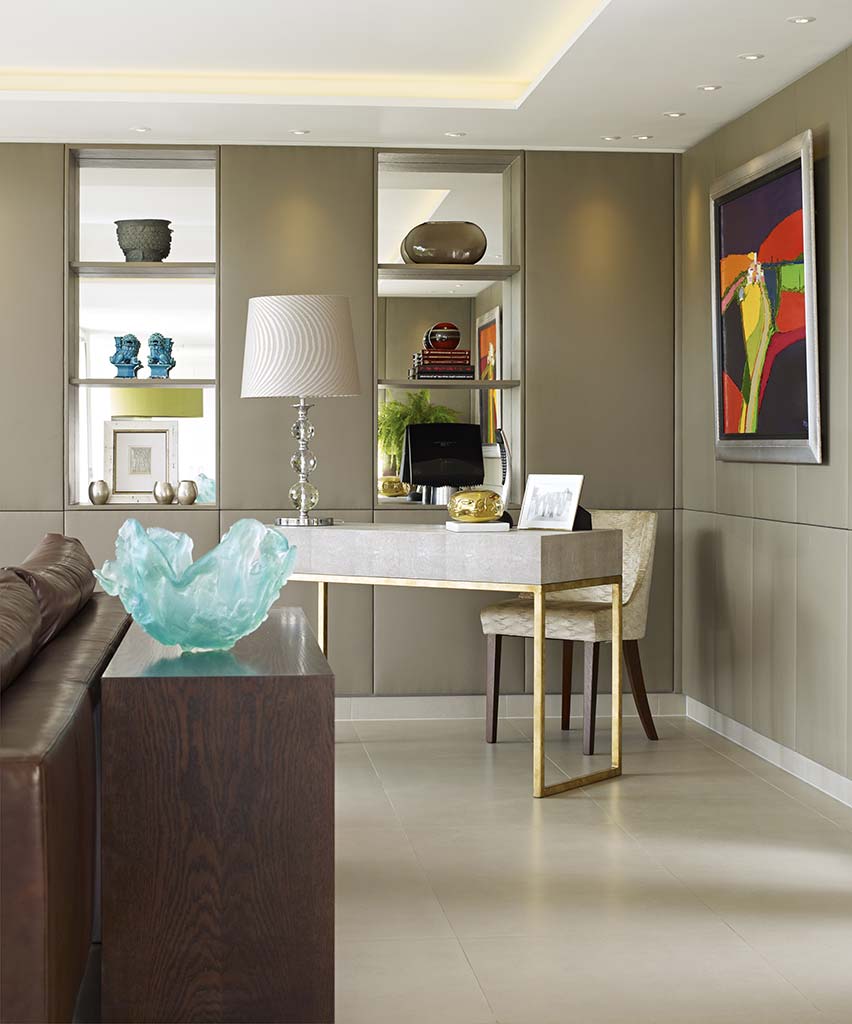
Experimenting with colours is one of the cheapest and easiest ways to transform your space. Remember that you don’t have to commit to your choice of colours forever – pick a colour you are absolutely fascinated with and go for it. After all, what is the worst thing that could happen? You can just as easily change your wall colour again once you grow tired of your current one. You’re merely flirting with colours until you find out which suits your place better.
Tip: step away from massively popular white or beige colours and try grey colour, which, contrary to the popular opinion, doesn’t have to be dull or drab. Instead, a touch of grey colour can add depth and texture to your walls. Interior design is often a work in progress and it’s actually quite rare for someone to get it right first time, so don’t beat yourself up if you’re not feeling the ambiance that you crave straight away.
The Ceiling Counts Too
We spend so much time chopping and changing furniture, flirting with different colours and fretting about what to put on our walls; that we forget about the often most neglected surface in our room – the ceiling. Painting your ceiling the same colour as your walls can make your walls look taller, which makes your room look more spacious and welcoming. It is a surefire way to add grandeur to your room!
Go Supersized
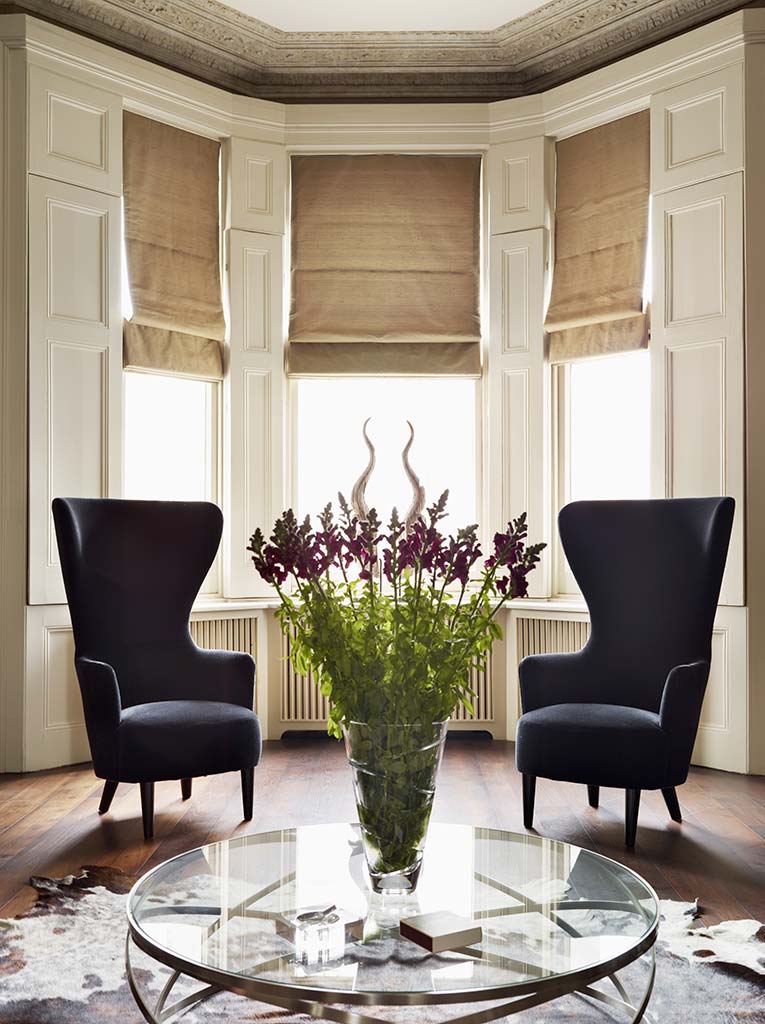
A common mistake is to think that everything in your room should be the same scale. Often this results in your home looking boring and predictable. Don’t be afraid to add oversized pieces such as a huge mirror, a big lamp stand or whatever truly speaks to your heart into your room.
Remember this is about invoking personal character of your home – not trying to look the same.
Enjoy Yourself
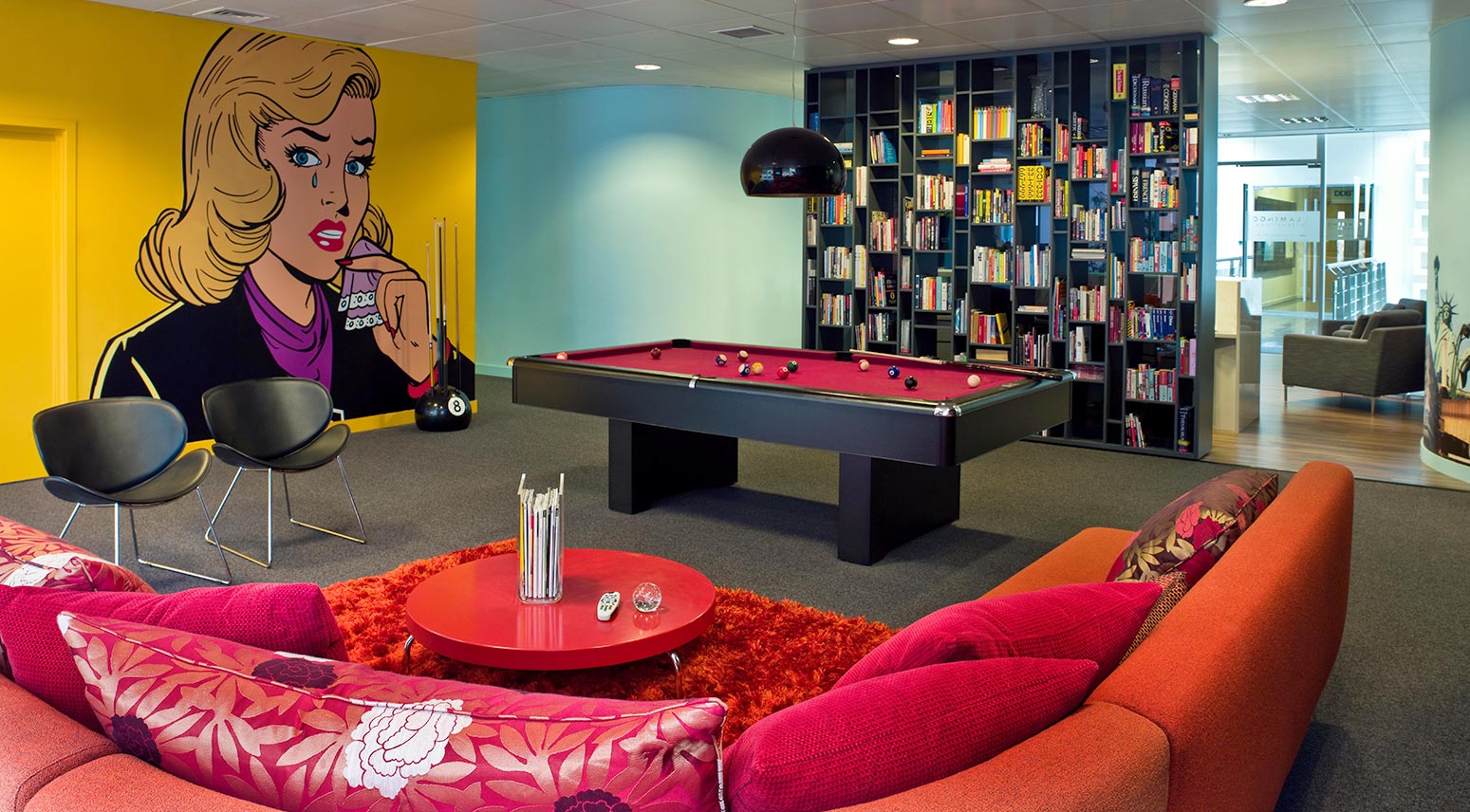 The last on our list is possibly the most important of all. If you’re not having fun with your creativity – you’re setting yourself up for a big fail. Interior design is supposed to be an enjoyable expressive form of art and boredom is death to your home in this game. Your home will reflect who you are and if you allow yourself to get bogged down with frustration, because you didn’t achieve instant perfection; your home will reflect this very thing.
When you start to feel overwhelmed – just remember to not be afraid to go against conventional wisdom, play around with colours, textures and sizes and to enjoy your interior design journey.
What is Luxury?
What is Luxury?
Having been in the industry of creating luxury interior designs for many years, we decided to take a closer look at the notion of luxury and what this word means?
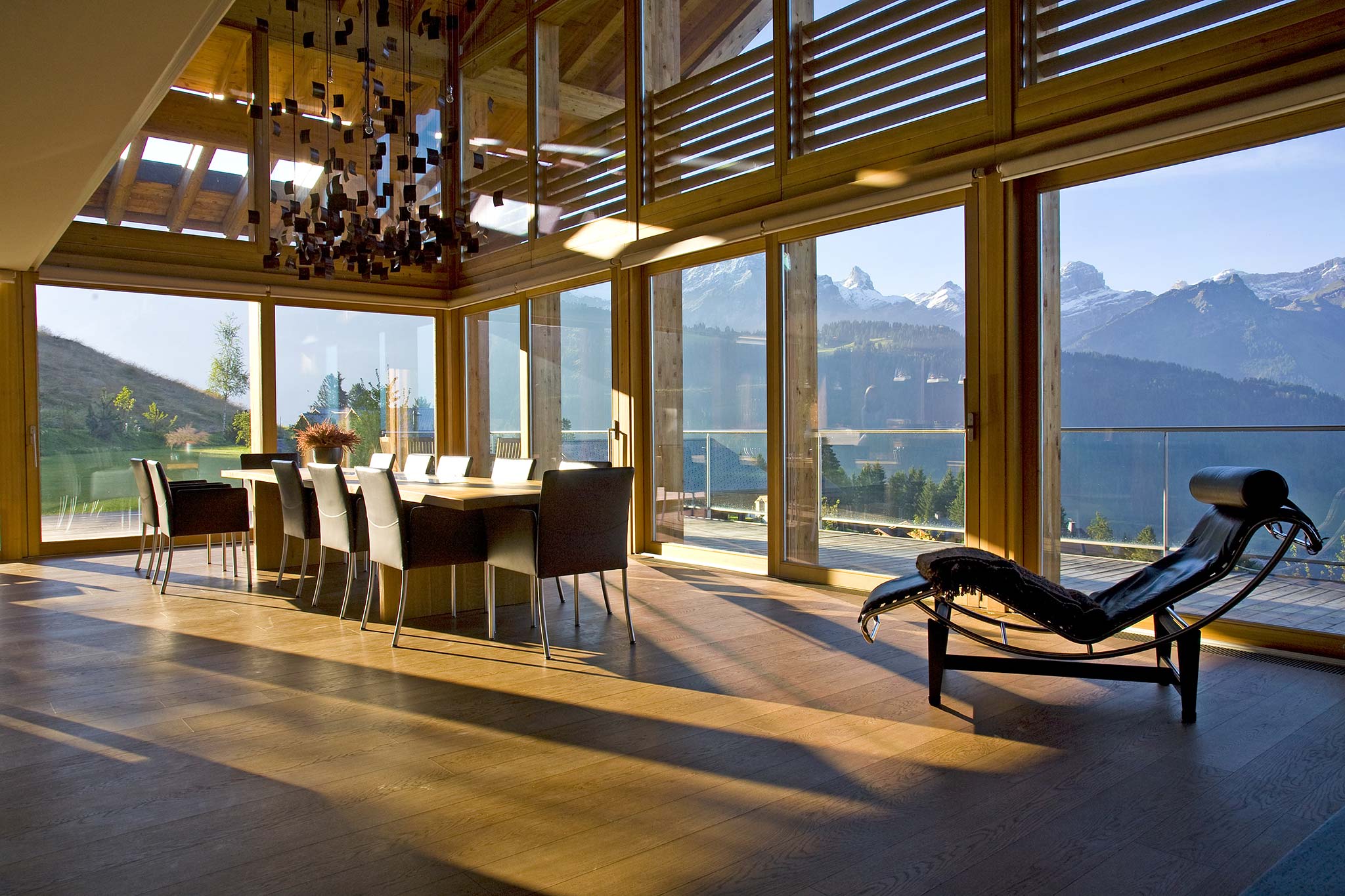 As our society and cultural values change, the notion of luxury changes with them. Ultimately, everyone has their own version of luxury, but we would like to explore a bit the history of the subject and to see what luxury means to Londoners today.
Luxury in the past
The word luxury originates from the Latin word, luxuria, which means to dislocate and to grow rank. The Greeks, who could afford luxurious products, bought these to get extraordinary personal pleasure, but most of all to show their wealth and status to others.
During the Renaissance the French king Louis XIV built the Chateau de Versailles. This building was and still is the largest and the most luxurious building from that era. Louis XIV displayed his wealth through extravagant lifestyle and luxurious castles adorned with lavish ornaments, furniture, and fountains. Yet, the ordinary citizens of France at the time thought that his architectural creations were foul and tasteless, because his luxurious lifestyle was more than the acceptable standard of quality.
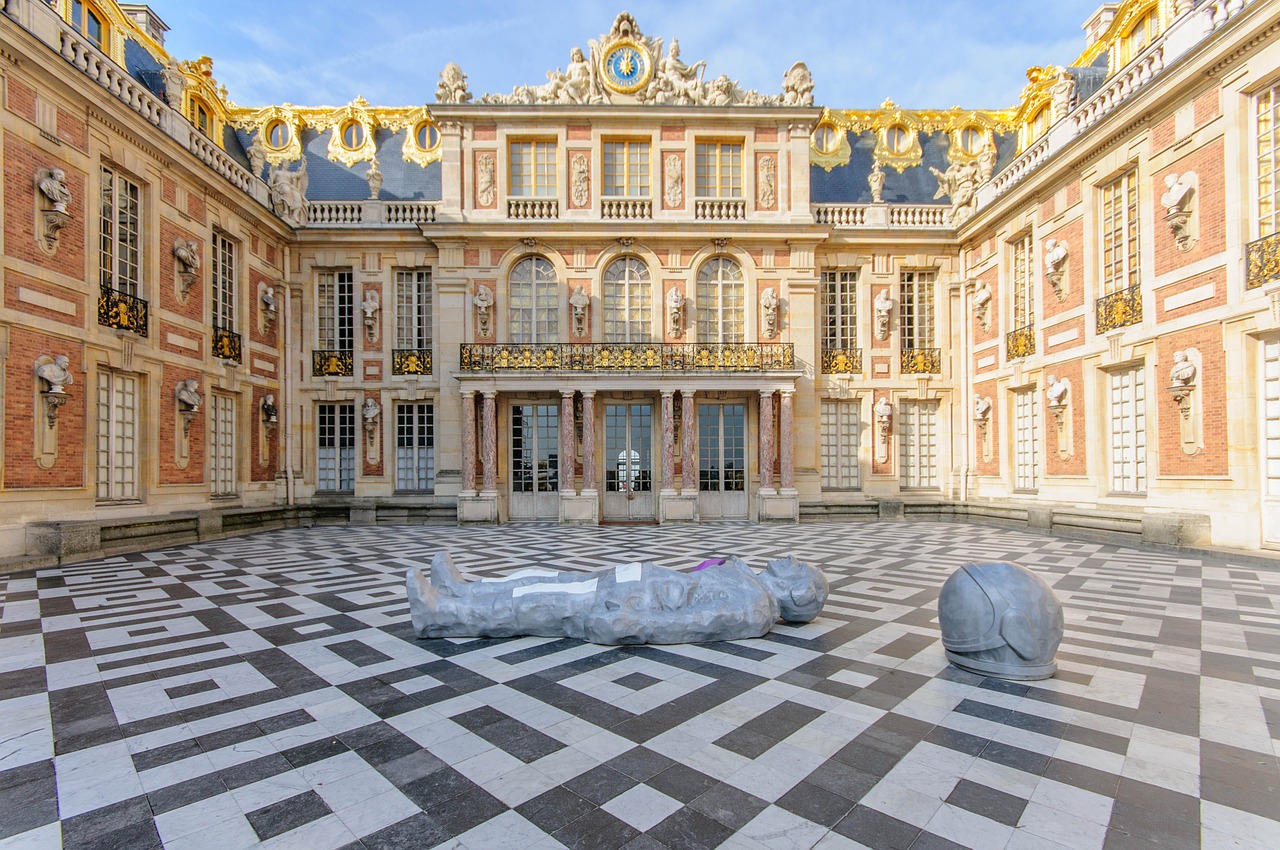
At the end of 18th century and the beginning of 19th century, the relation to luxury architecture changed rapidly. As the first modern luxurious city Chicago was developed, people started to accept luxury and started to feel comfortable about it. Adamo Boari and Adolf Loos were notable architects in this change.
Today, there is a large focus on luxury on a global level. Luxury of today can be divided into two main groups: material luxury and immaterial luxury. Historically, luxury was exclusively something material, that people could show off to gain some respect, wealth and status in the society.
The new kind of luxury is what Fritz and Gülow call “real experience”. Those luxurious, unique experiences, such as chartering a yacht to Alaska or eating out at a beautifully decorated gourmet restaurant, serve as a proof of wealth. With the advent of social media such luxury rapidly gained popularity, as people like to share their luxurious experiences with friends and followers.

Luxury today
We decided to check how people perceive luxury nowadays. A survey that Thulasi Sivapalan (MA Interior design, Staffordshire University) conducted is based on opinions of Londoners. According to them luxury is associated with something desirable, yet unnecessary in life. It is something that people aspire to have and what could be bought for money and could improve their quality of life. It turns out that the most desirable material luxury items are luxury interior decorations, property, clothes and shoes.

The survey also showed that unlike material luxury, immaterial one was much more personal and connected to emotions rather than to things. This study showed that both types of luxury are important to people these days with immaterial one being slightly more popular than the traditional material luxury.
What kind of luxury do you prefer?
A little more about Thulasi Sivapalan.
In 2013 Thulasi graduated from Aalborg University in Denmark with B.Sc. in Engineering (Architecture & Design). Right after graduation, she started working at Bjerg Arkitektur, the only passive house design company in Denmark. In 2014 she worked for Denmark’s largest and one of Scandinavia’s largest architect practices, C.F. Møller Architects.
In 2015 she started the MA in Interior Design at Staffordshire University through National Design Academy. As a part of her interior design degree, she chose to make a research about luxury design, because there is a global challenge of defining luxury today. Her goals was to understand how people percieve the word “luxury” and how they use it in their everyday lives.
The Clerkenwell Design Week
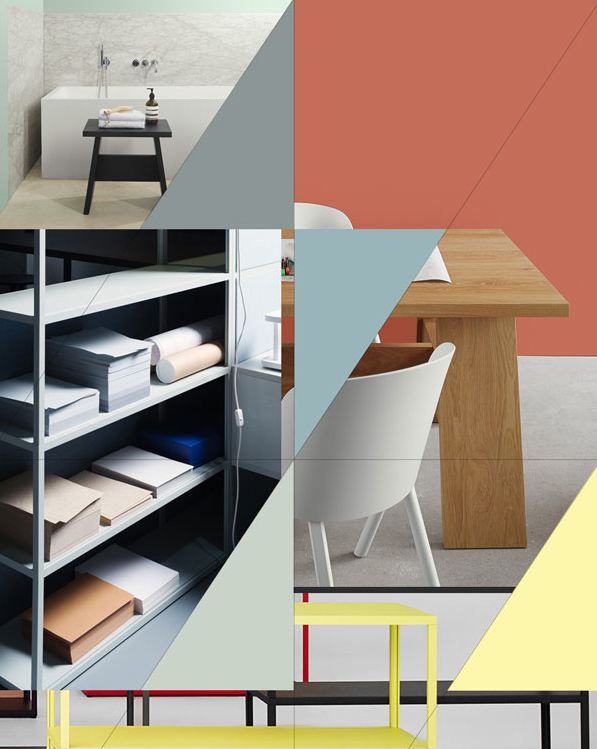 Clerkenwell in London is a thriving hub of top interior designers. Indeed the small district in the English capital boasts more creative businesses per square mile than anywhere else in the world.
Is Red just the language of Love?
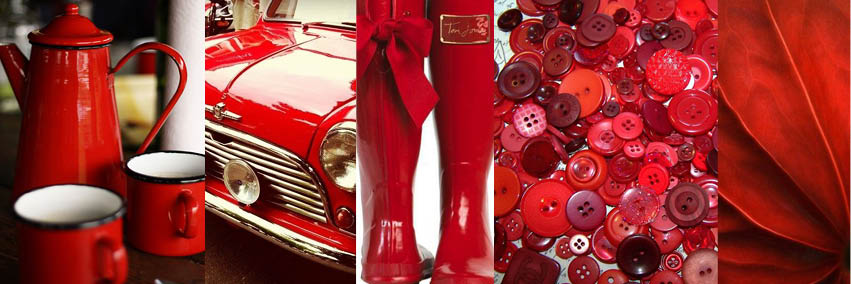
RED or DEAD?!
Colour is an important part of our life and our culture. We use colours to indicate or give significance to objects or actions – however, colors are not interpreted in the same way by different cultures or regions of the world.
The more you understand colour and what it relates to in terms of our emotions, our moods and general wellbeing it can become a complete game changer. To consciously choose an “optimum outcome” within your interior design gives your kitchen, living room, bedrooms or bathrooms a valuable meaning that you may well have have missed – creating a healthy, happy home as opposed to a dull, oppressive or tired one. (more…)
Hoarders and clutter collectors
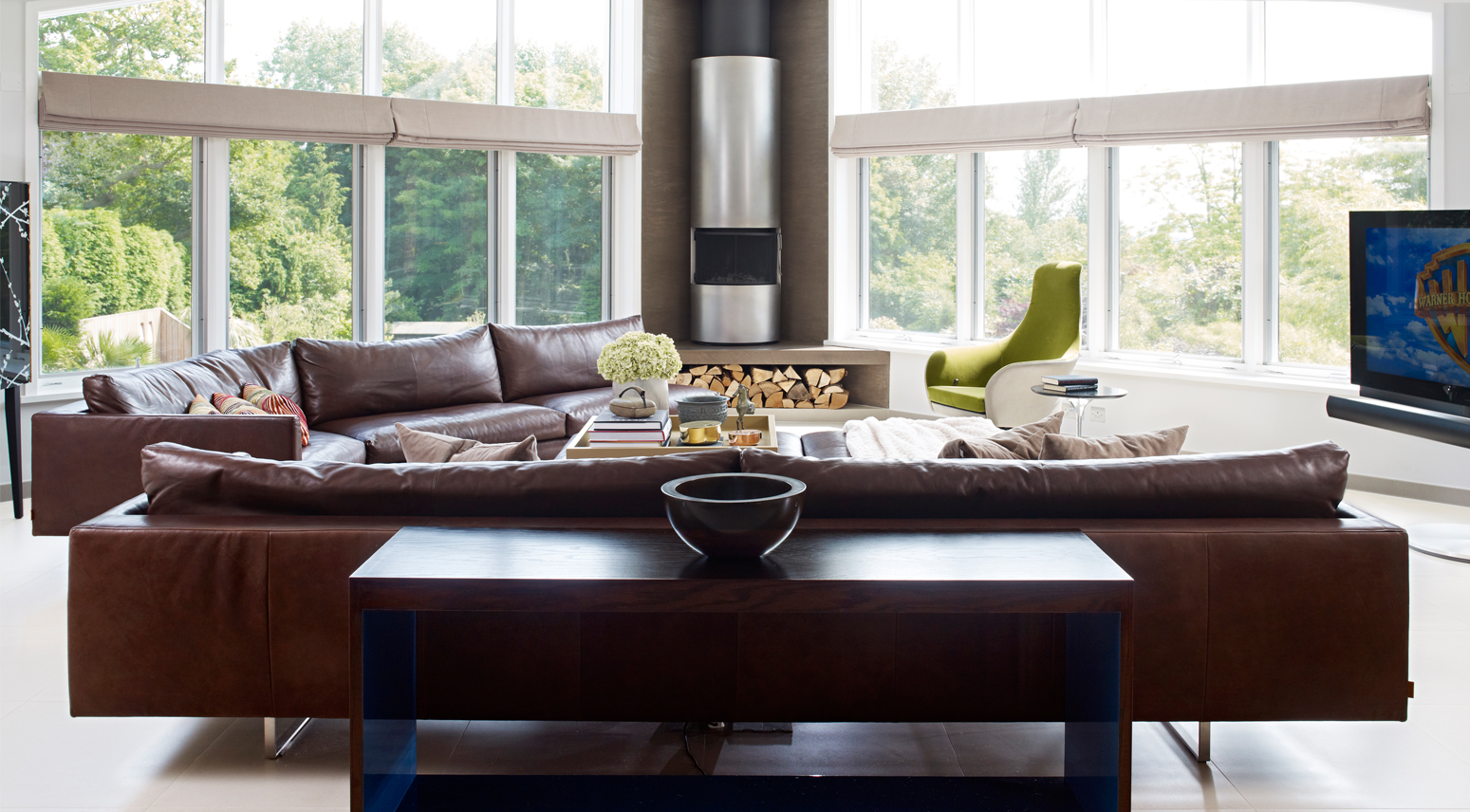
January is often a time of reflection, a chance to take stock of where you are, identify what you want to achieve with the New Year and the opportunity of a fresh start.
What better way to ‘clear the head’ than to physically clear the decks – get rid of some of the clutter that you may have accumulated over the past year and beyond!
Here is our top tip for your January clear out…
Top of the World Interiors in Manhattan
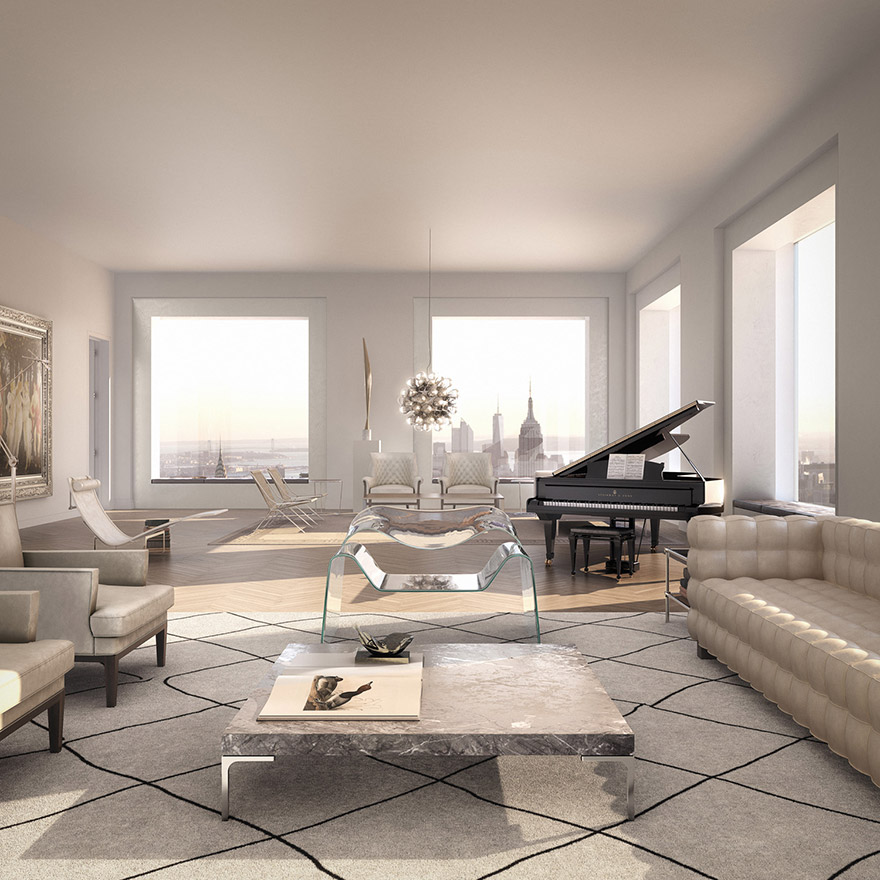
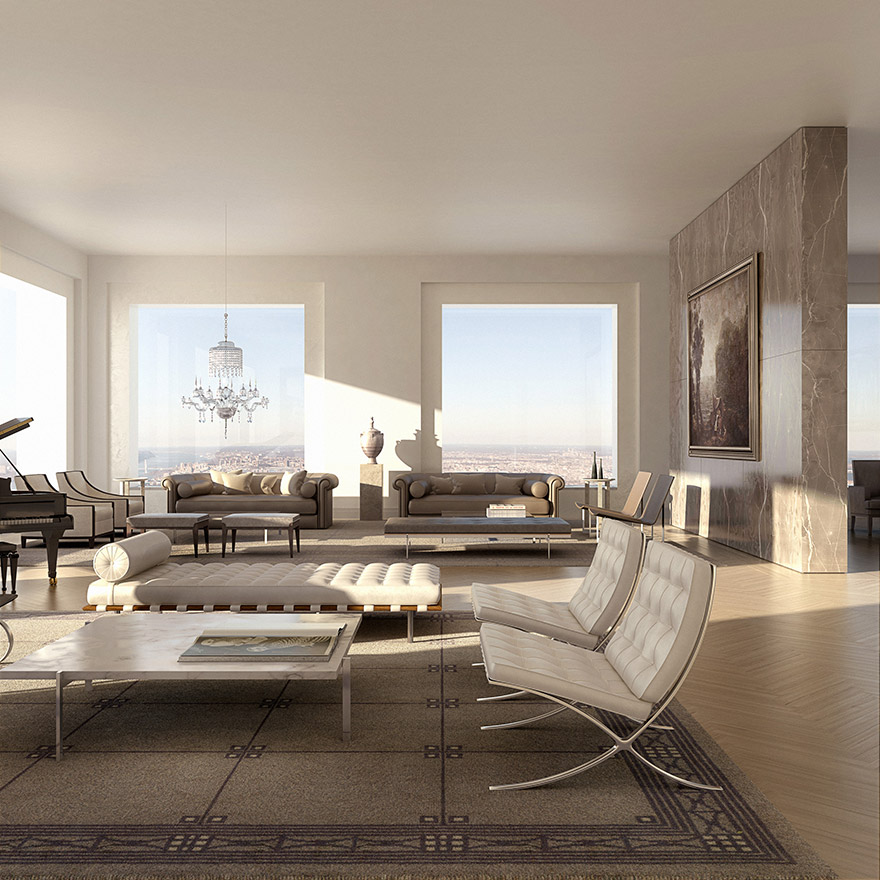
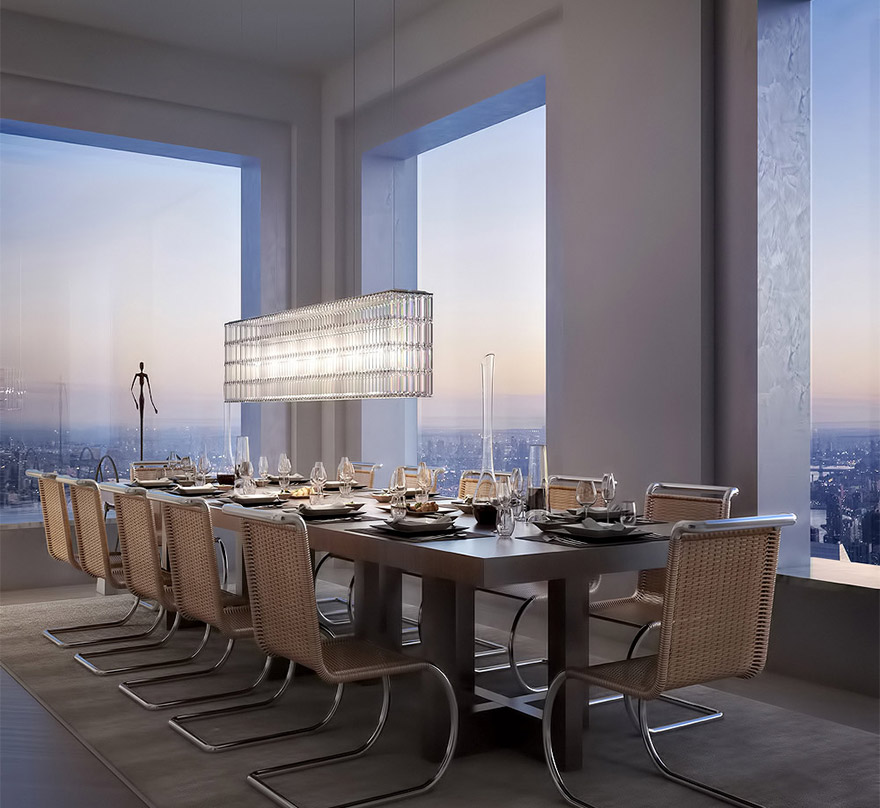
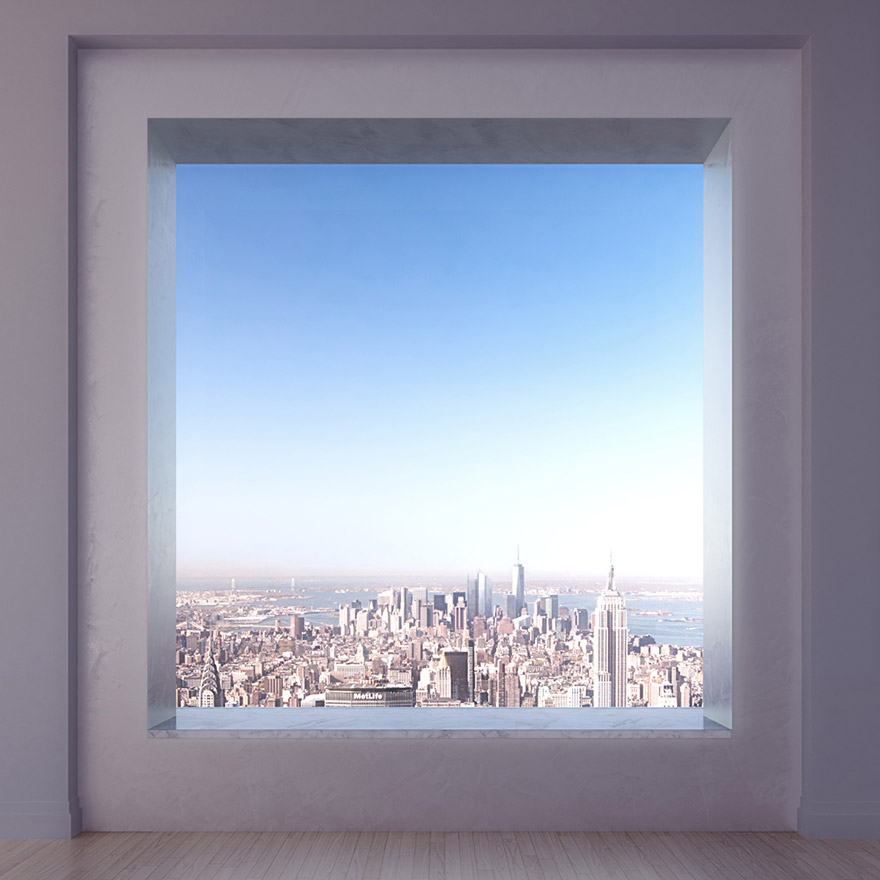
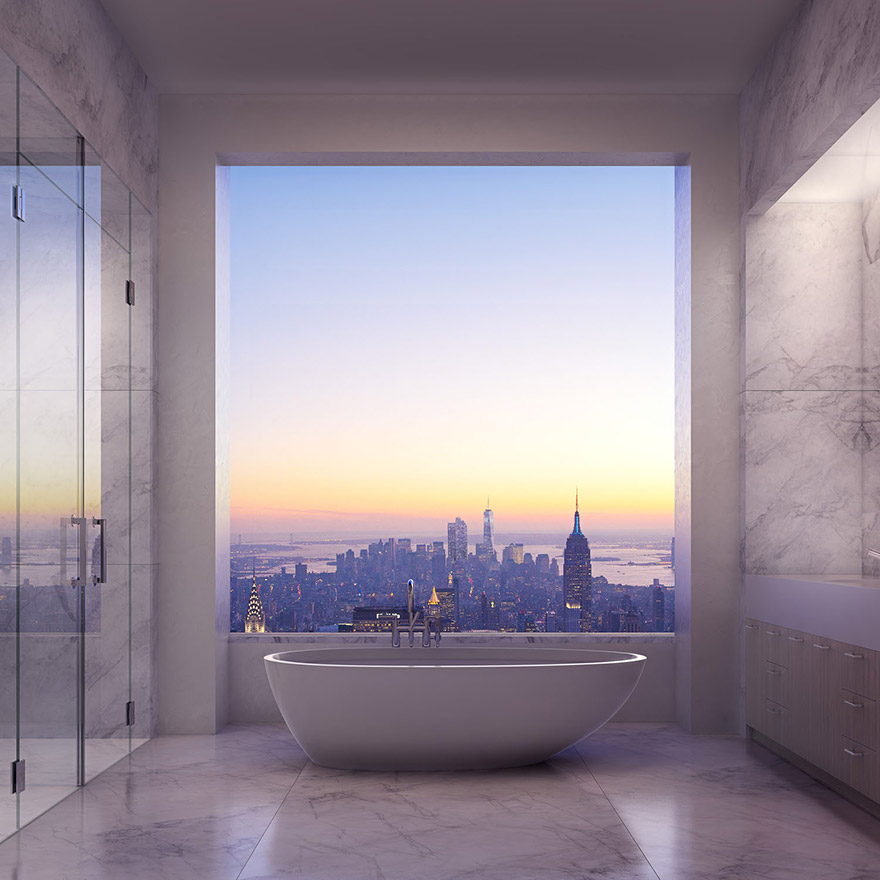 432 Park Avenue – this is the address of the New York skyline’s newest ornament and of the tallest residential tower in the Western Hemisphere. Towering up to 1,396 ft, the skyscraper offers 104 apartments at 30,000 sq ft each with 12.5 ft ceilings, 10 x 10 ft windows, and prices ranging from $16,95 million to $82,5 million.
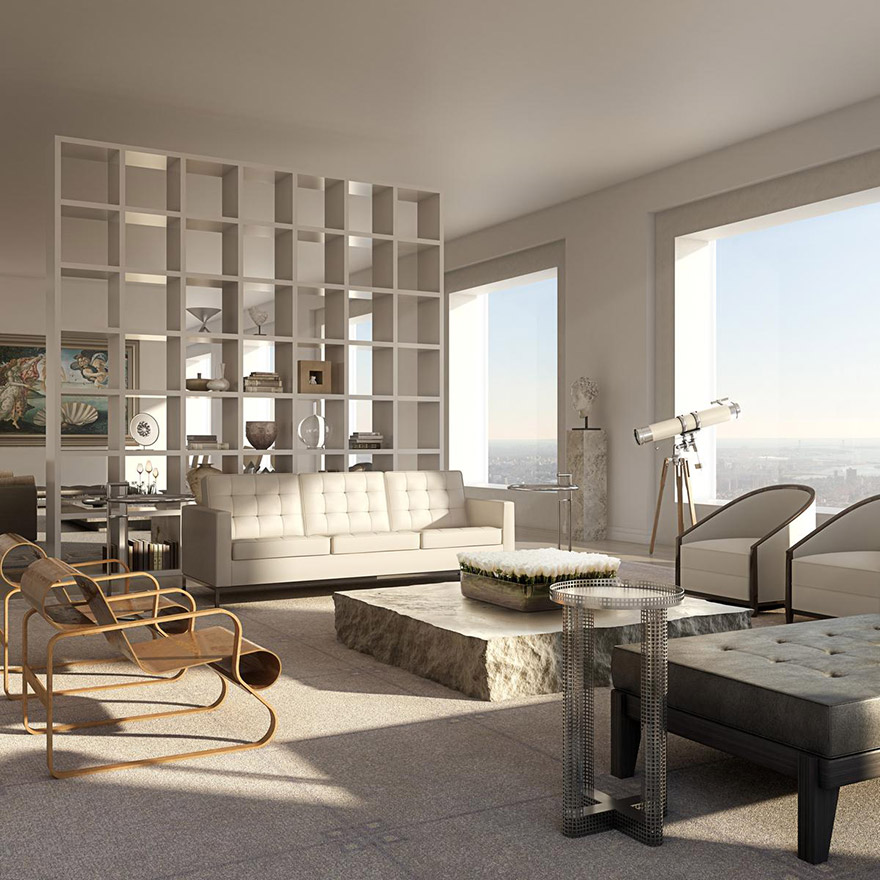
This breath taking condo tower was designed by Rafael Viñoly and took three years to construct. It is situated in the centre of Manhattan, and the upper penthouses offer a view of all of New York City: from the Hudson to the East River, from the Bronx to Brooklyn, and from Central Park to the Atlantic Ocean. The building also features a private restaurant with an outdoor terrace, a 75ft swimming pool/spa, a screening room/ performance venue, climate-controlled wine cellars, a children’s playroom and a board room.
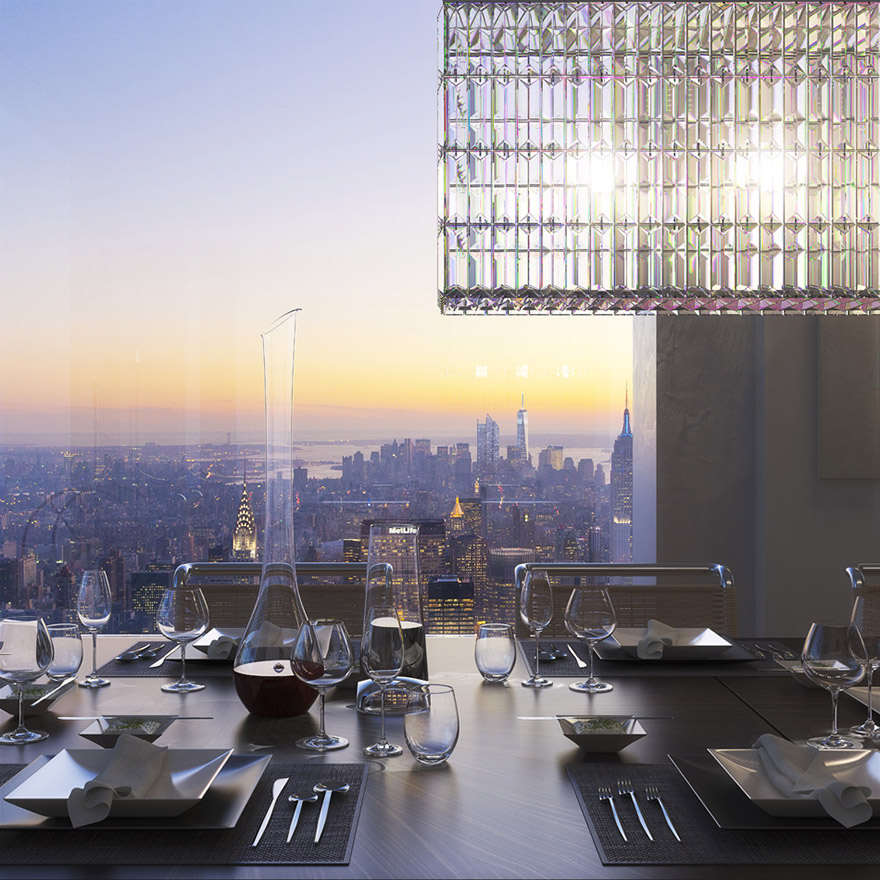
The skyscraper will welcome its first residents next year, so if you’re looking for a nice little place in NY and have a solid bank account, you’d better hurry, as the penthouses are going like hot cakes.
Winter styling ideas
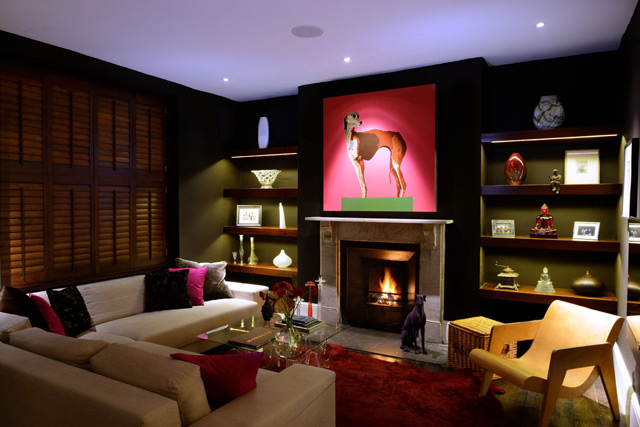
The rich colours at our Claremont Square project mirror the hues of the season
Well it’s here then. The clocks went back, the temperature dropped and the evenings went dark. Winter has unleashed her cold fury and, if forecasts are to be believed, it looks like she’s going to be vexed for quite some time.
So, if we’re all going to be indoors for months, we need to think about how to cosy it up a little. How to create a place that’s a welcoming haven away from the elements rather than a box that’s going to induce cabin fever and family feuds.
We have already looked at lighting; in brief stick to table and floor lamps that will cast soft pools of light or wall lights that will wash gently over the space rather than the harsh glare of overhead pendants.
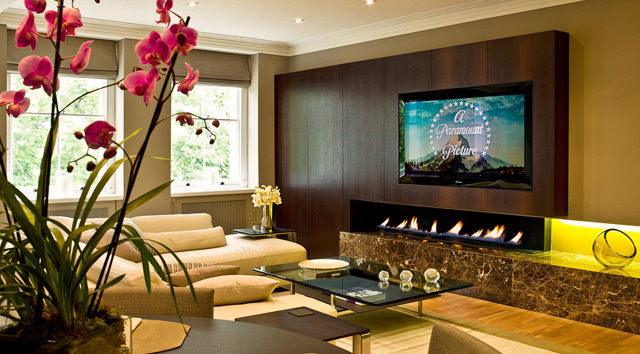
Let the warm hues of our Rutland Gate project inspire you on chilly days
Now it’s time to look at the soft furnishings. This is where you need to think seasonally. The Scandinavians think nothing of changing their cushions and curtains according to the seasons and we should do the same.
Keep the textiles natural and move from cotton and linen in summer to velvet and cashmere, and a bit of faux fur for fun, in winter. These days we don’t tend to have loose covers on sofas and armchairs but, if you do, consider having two sets made. There’s nothing like snuggling up on a velvet sofa during the long dark winter months.
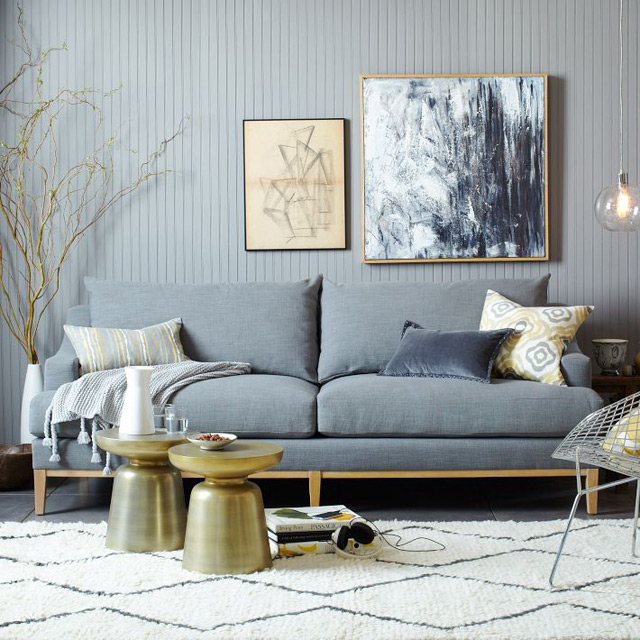
Velvet sofa, West Elm
If you have a fitted cover or chesterfield then invest in a few throws. Have a couple folded over the arms ready to wrap up cold toes, or drape one along the back. Add a stack of cushions in warm berry colours – this year it’s all about shades of pink with metallic golds and brass – and suddenly the thought of spending a few evenings on the sofa with a glass of something red and warming in one hand and a Scandinavian box set in the other starts to feel less like entrapment and more like an invitation.
Curtains and cushions dealt with, let’s turn to the floor. Again, it’s easy to change rugs with the seasons. Think of something warm and cosy – perhaps even a deep pile or fur for winter and replace it with something lighter when the sun comes back.
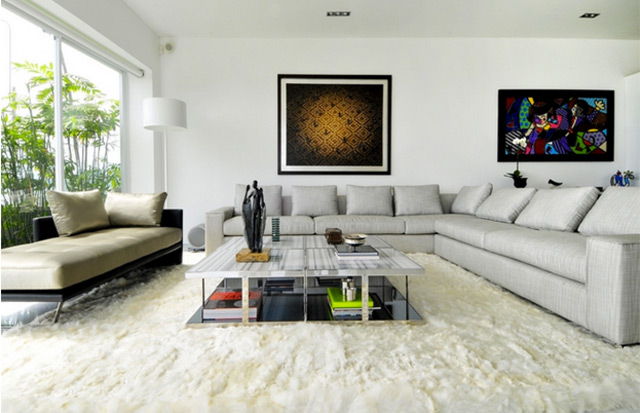
Alpaca fur rug, Kelaty
Now, we can’t finish this post without returning to the Scandinavians. After all, those Nordic lands have the longest, coldest, darkest winters of them all. And how do they get round that? Hygge.
No we’re not sneezing, it’s a Danish word that doesn’t perfectly translate but loosely means cosiness. And the way to achieve that is with candles. Light a few candles every evening and you can forget about the wind howling round outside.
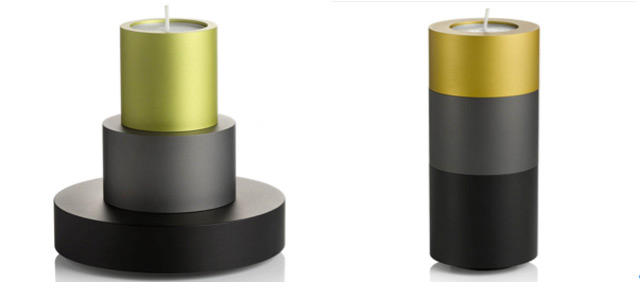
Stack candleholders, Miranda Watkins
Finally, remember that Cicero said that a room without books is like a body without a soul. Bring all those books you’ve been meaning to read and make a welcoming pile on the coffee table, those magazines that you were going to rip up to make moodboards? Now’s the time. The photo albums that need sorting. Bring it on.
Winter, we don’t care how cross you are. We’re inside, we’re warm and we’re cosy. See you on the other side.
 |
 |
 |
 |
 |
 |
 |
 |