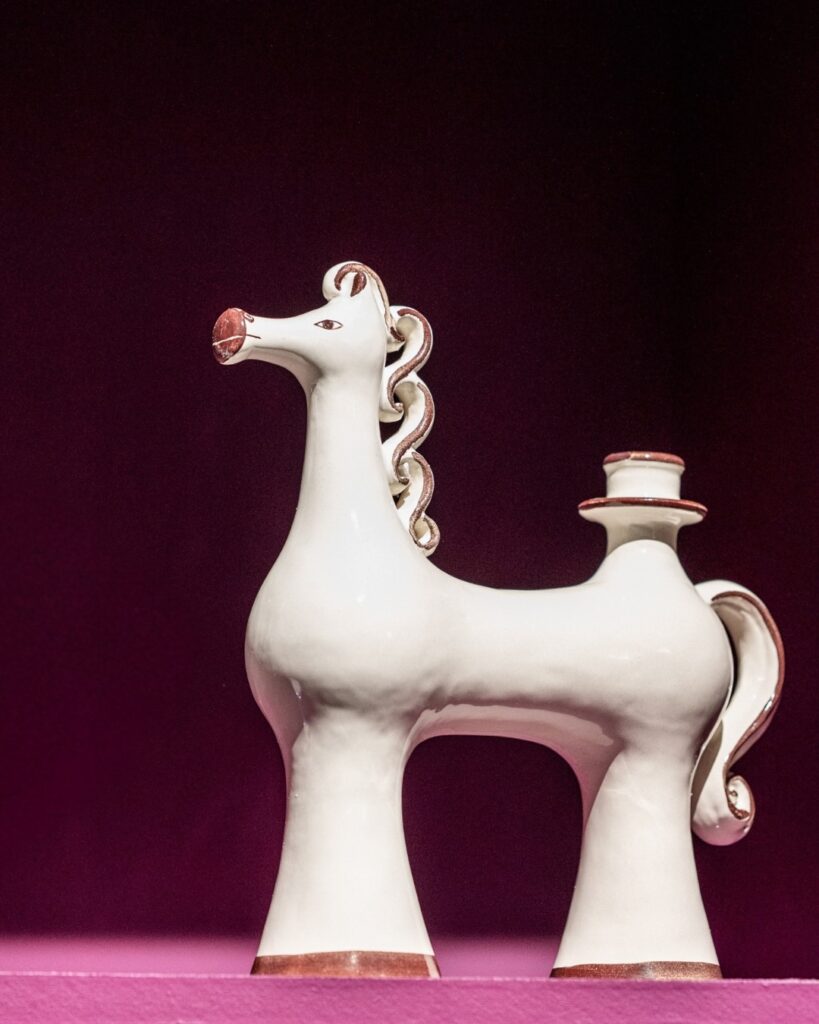
Emerging Trends from Paris Design Week at Maison et Objet 2026
February 2, 2026
In January, the global design community migrated to Paris Design Week at Maison & Objet—the 2026 edition (January 15–19) was nothing short of transformative. This year’s unifying theme, “Past Reveals Future,” echoed through every hall at Paris Nord Villepinte, reinterpreting heritage craft and historical references through a sharpened contemporary lens.
Below, we dive into the defining moments, standout installations, and emerging trends that made this year’s fair one of the most compelling in recent memory. For us at Callender Howorth, 2026 is about being bold. Life is a gift, let’s go for it.
A Theme With Depth: “Past Reveals Future”
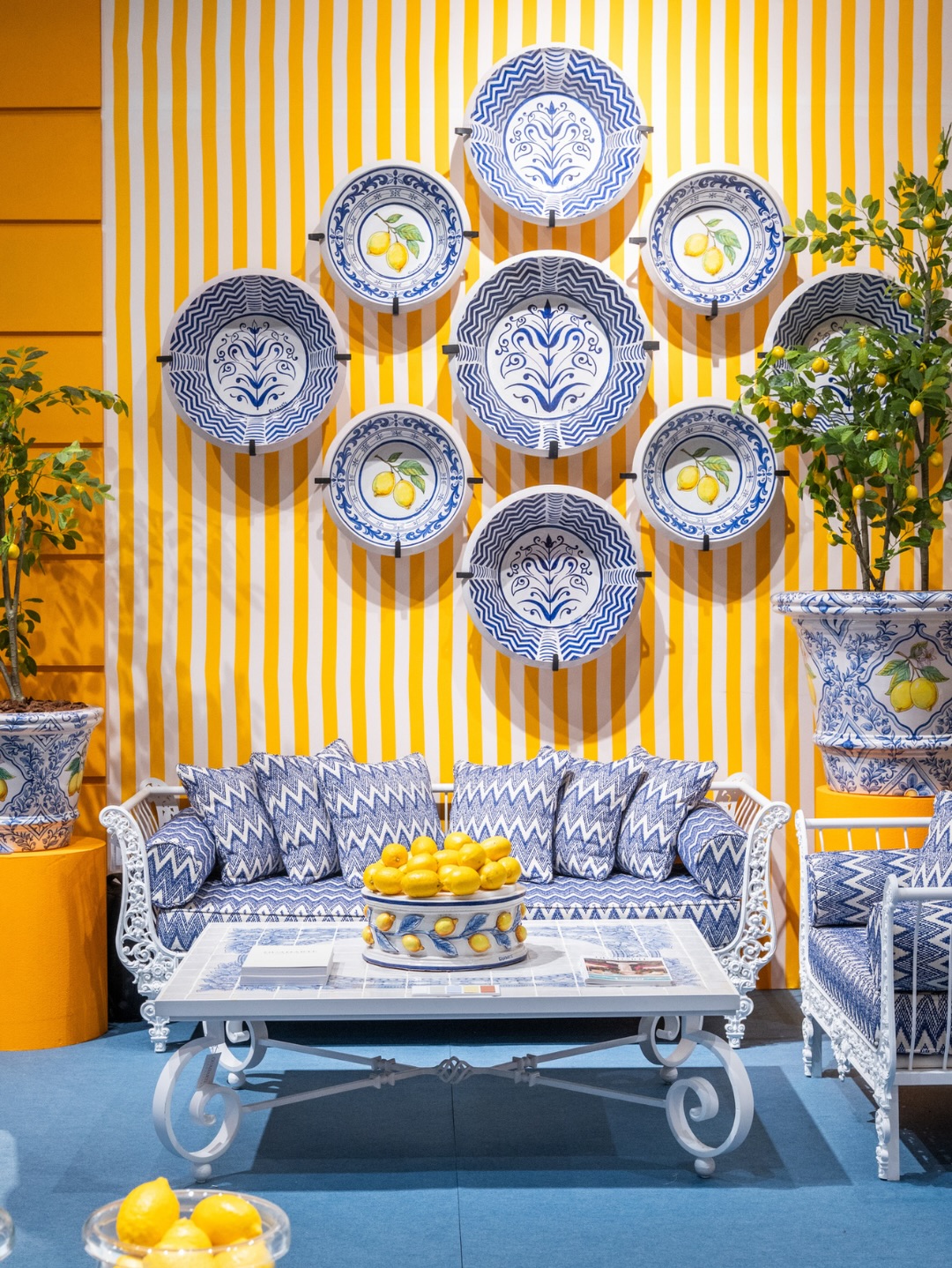
The fair’s thematic framework explored four conceptual currents—Metamorphosis, Mutation, Revisited Baroque, and Neo‑Folklore—each examining how historical craftsmanship and cultural memory can shape tomorrow’s interiors.
Across installations and curated programs, the theme inherently pushed an embrace of reinterpretation over reinvention. Traditional forms returned with contemporary materials; humble natural elements met cutting‑edge technologies.
The Art of Rarity
Returning for its second edition, Curatio, curated by Thomas Haarmann, presented 60 limited and collectible works that merged “refined brutality” with sensitive craftsmanship. The installation positioned rarity and material integrity as core value propositions for the contemporary collector.
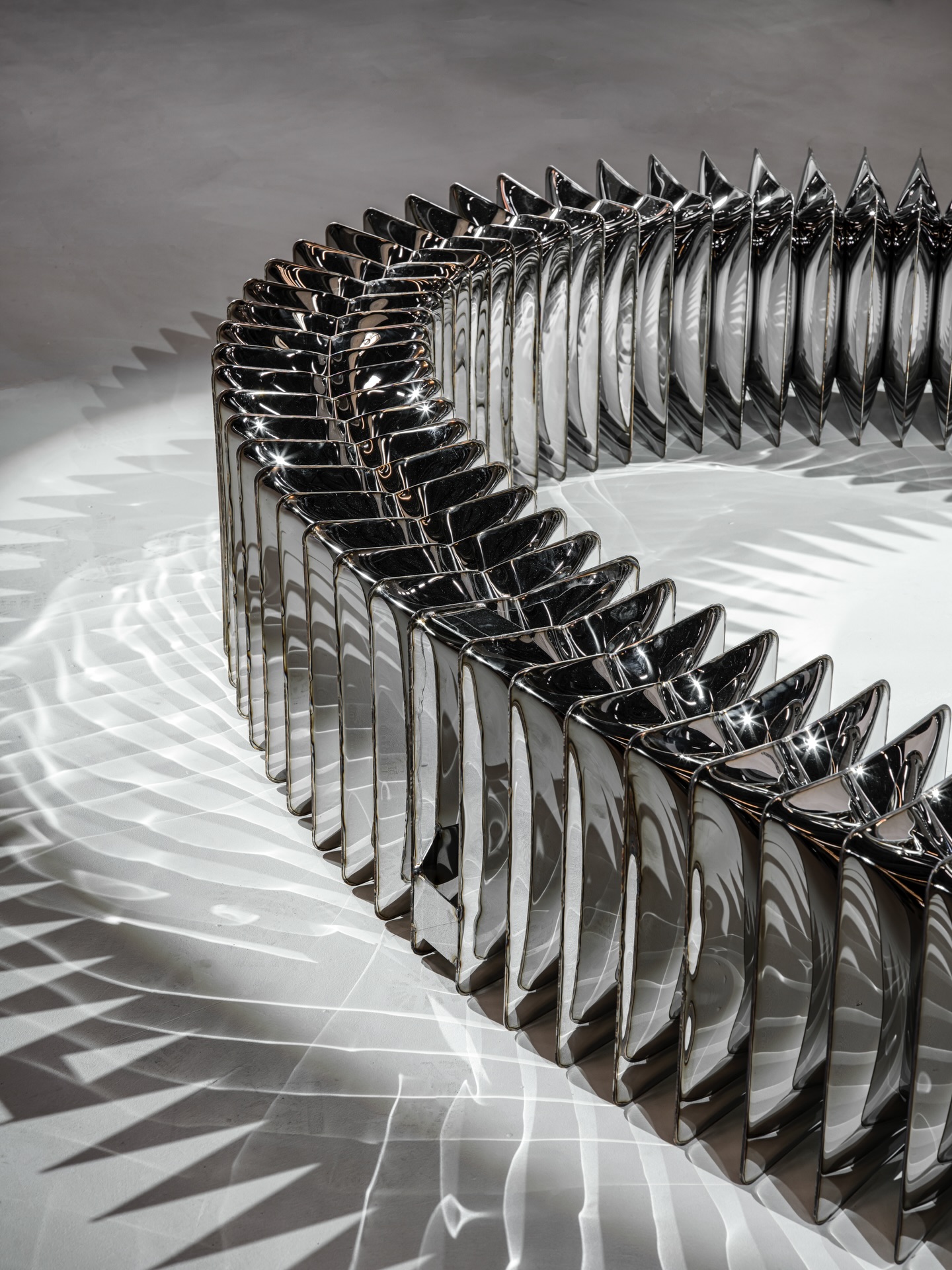
Forward-looking concepts
Trend expert Elizabeth Leriche guided visitors through the iconic “What’s New?” spaces with a hybridized conversation between eras—past styles rooted in cultural meaning, reinterpreted through modern techniques.
The Philosophy of Transformism
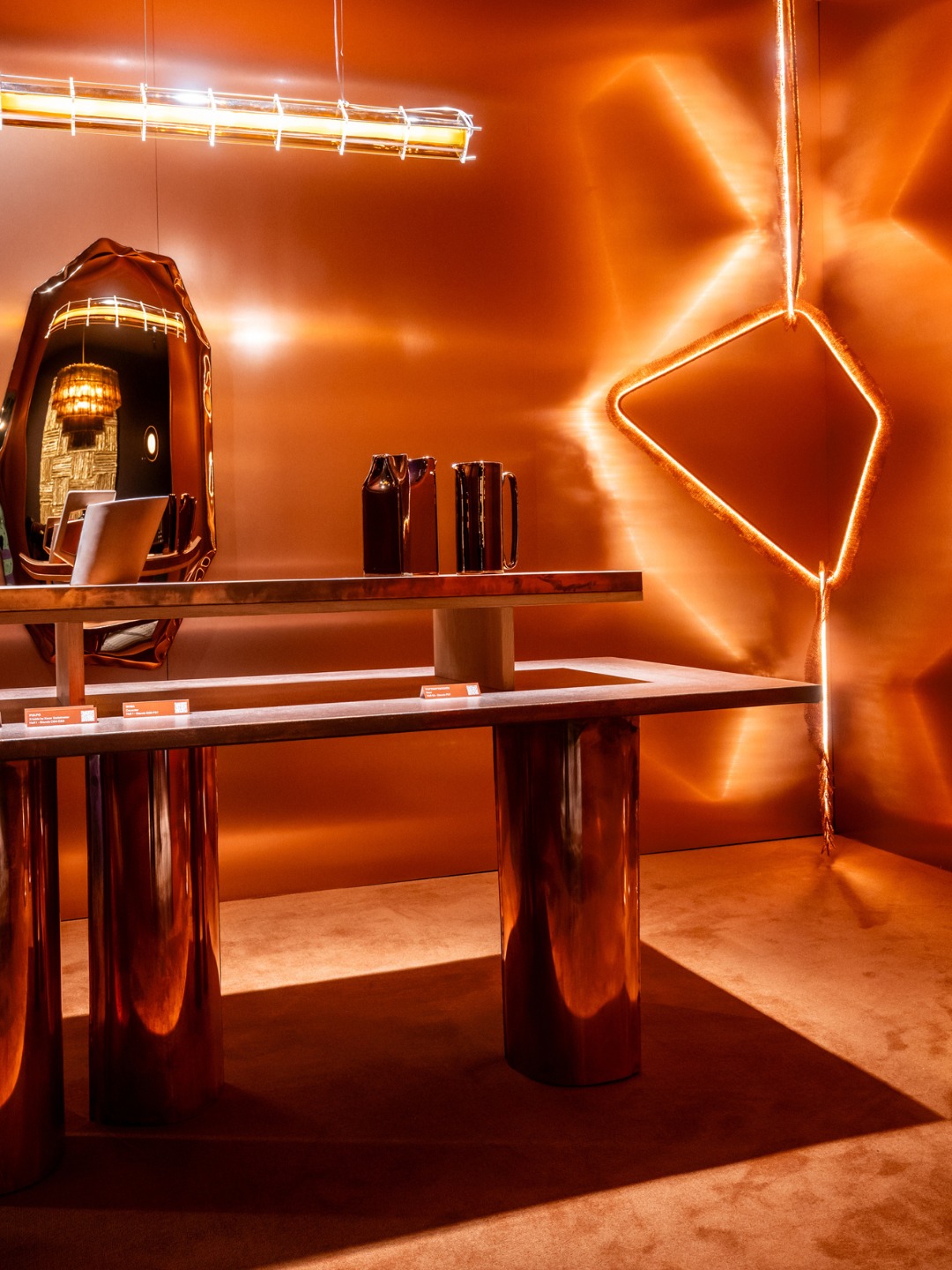
One of the most talked‑about stories at the fair was the announcement that Harry Nuriev—founder of Crosby Studios—would be Designer of the Year 2026. His installation, rooted in his philosophy of Transformism, offered a futurist, reflective environment where everyday objects were reimagined as collectible icons.

Nuriev’s immersive work served as a conceptual anchor for the fair, demonstrating how design can manipulate perception by dissolving the boundaries among utility, art, and memory. We found the context of this installation a refreshing reminder of how easily our perceptions can be normalized. Well done, Harry!
Sculptural Forms Take Center Stage
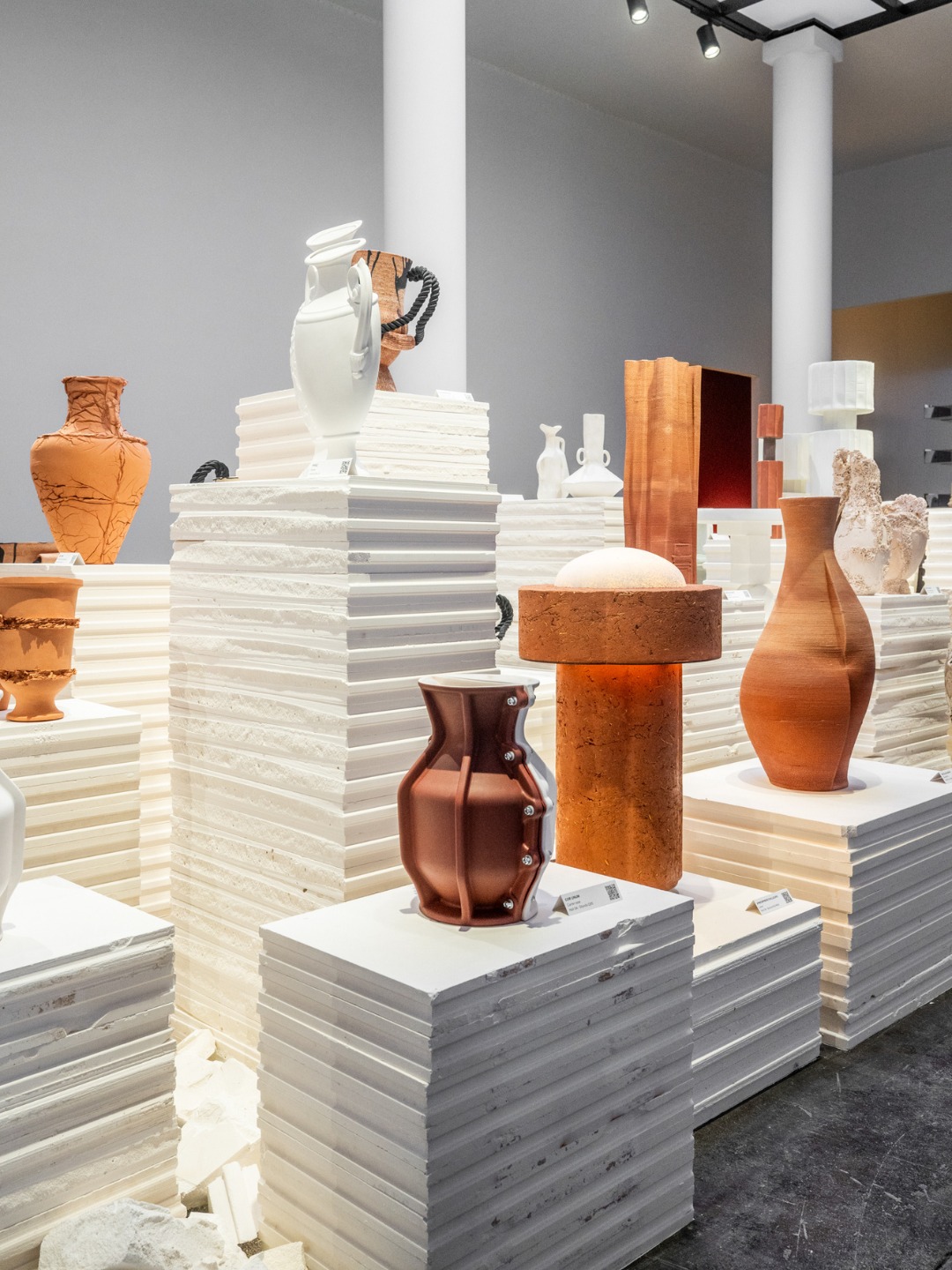
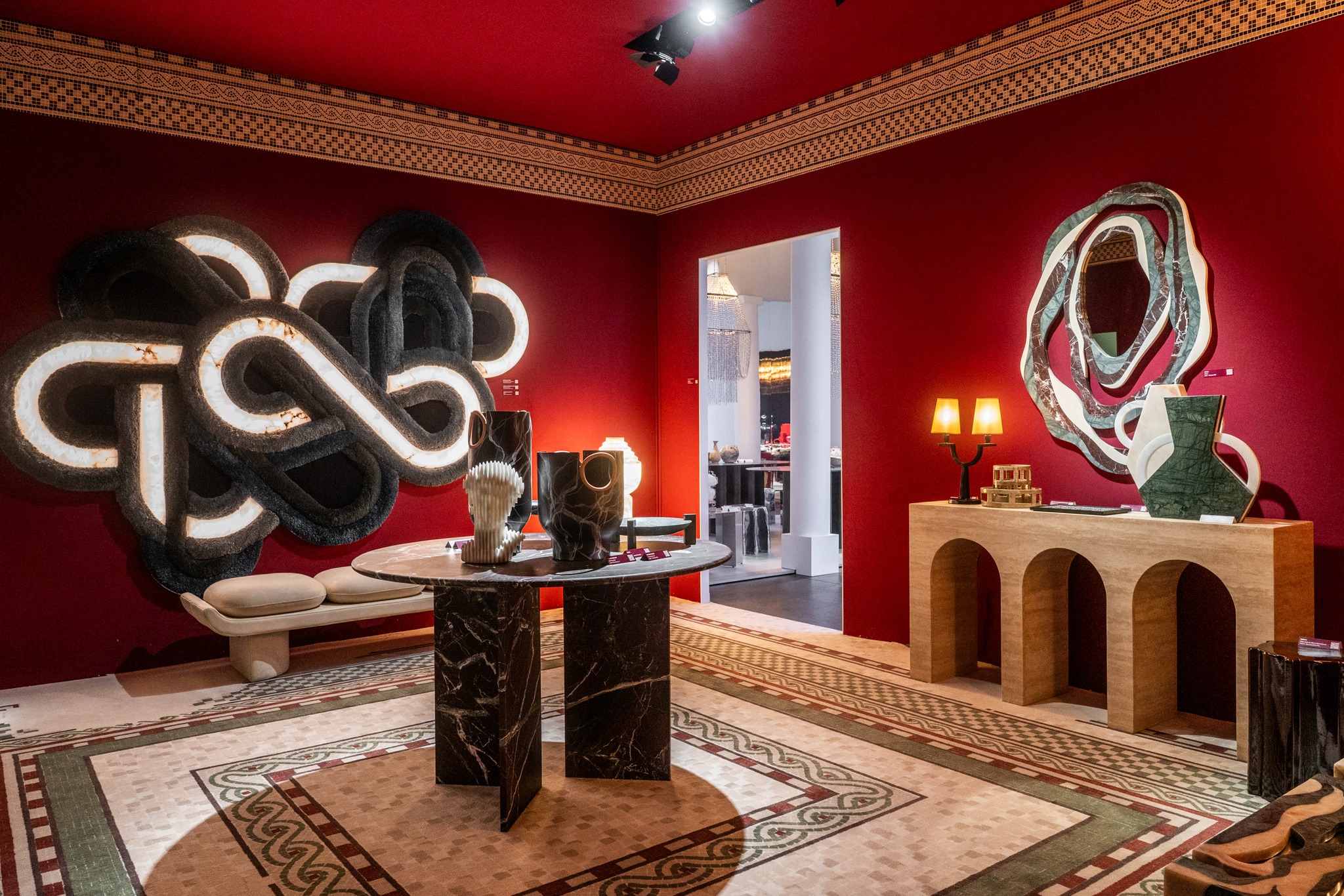
A Deep Return to Craft
Craft wasn’t romanticized—it was recontextualized. Traditional techniques appeared alongside precise contemporary forms and disciplined material use. This thinking aligned with a broader industry shift toward intentional, long‑lasting design over temporary trend cycles.
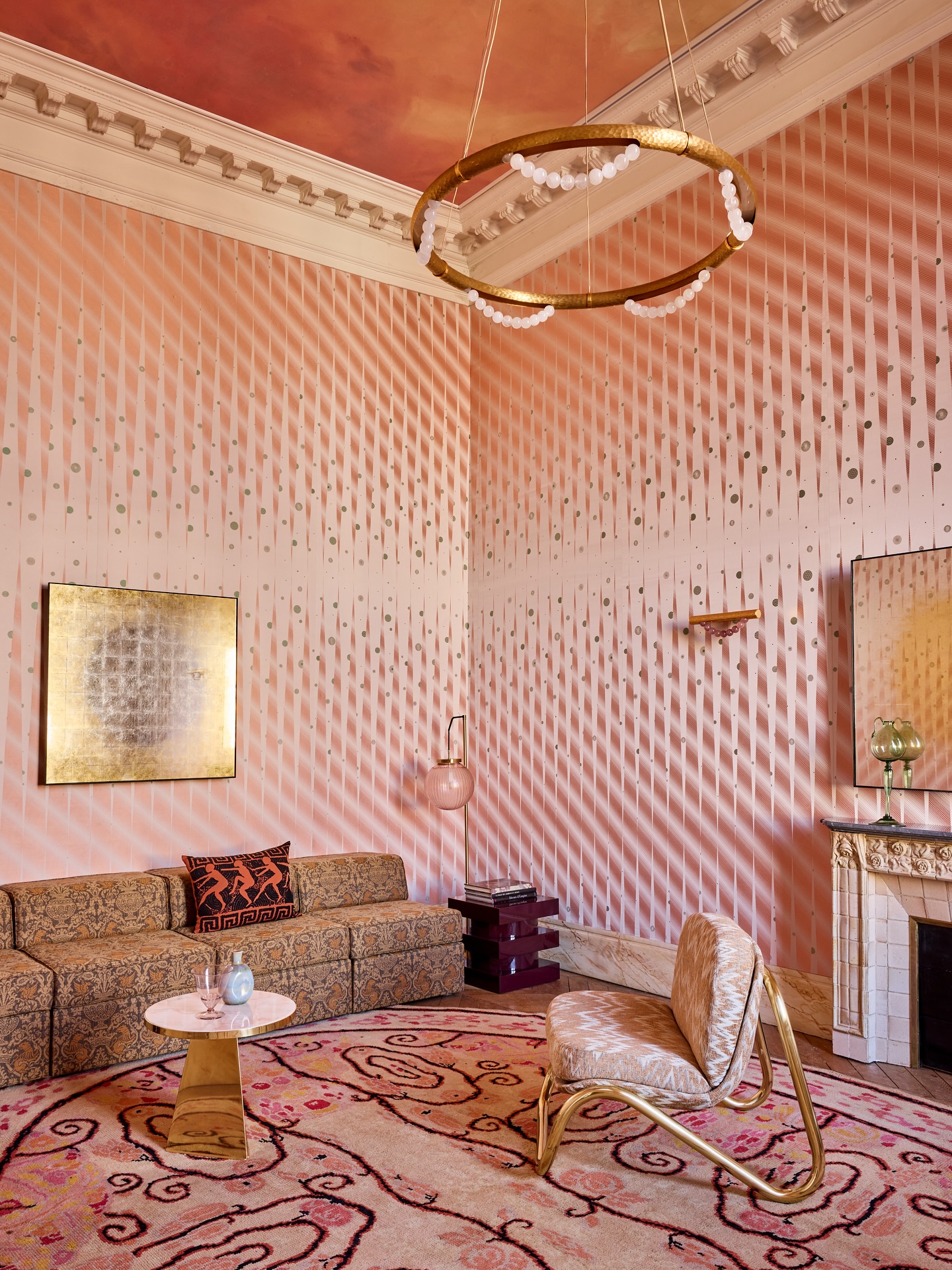
Transformation & Upcycling as Luxury
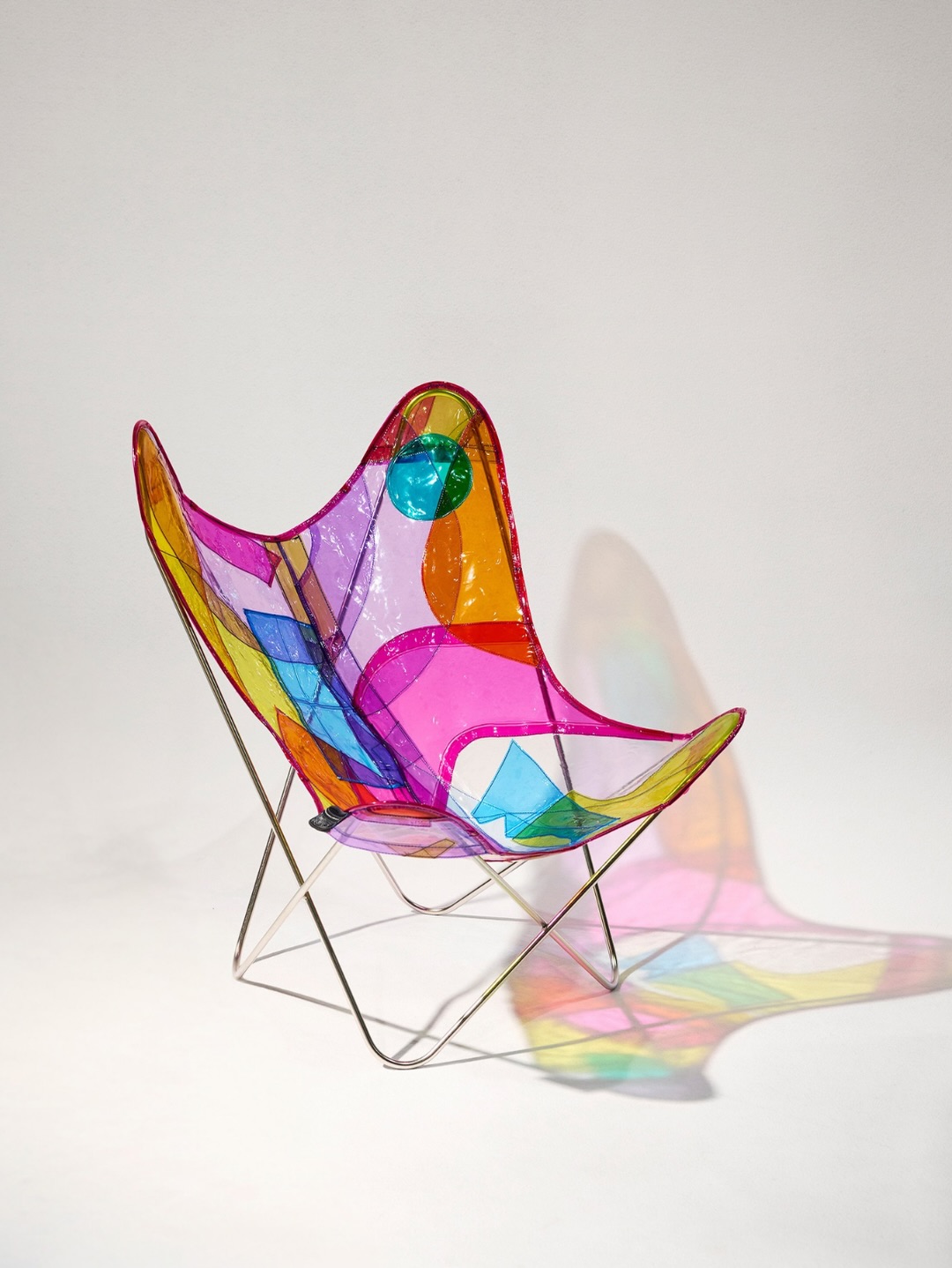
The idea of “transformation” guided many exhibitors: turning vintage objects into contemporary icons, reinventing waste into beautiful forms, and evolving natural materials through technology.
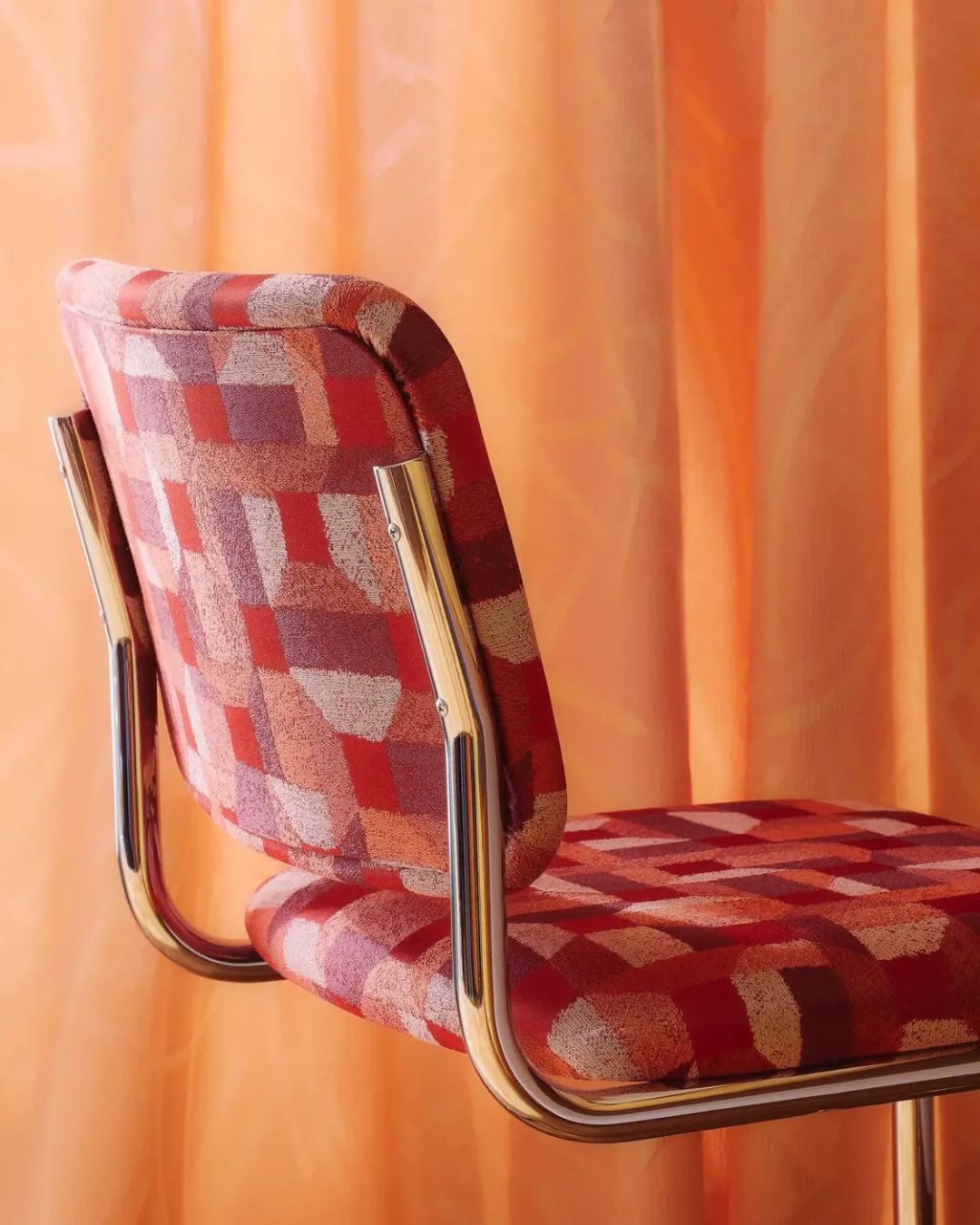
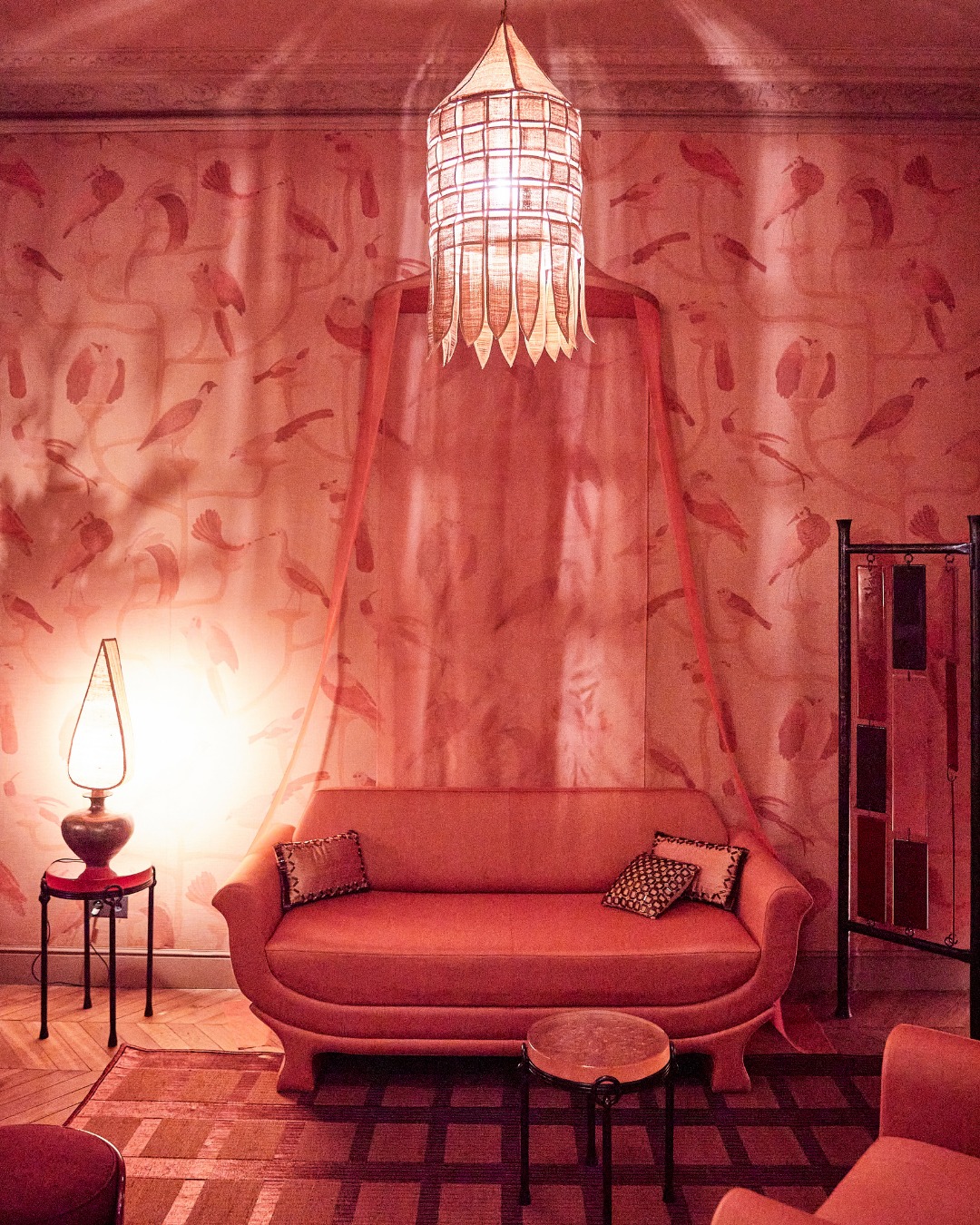
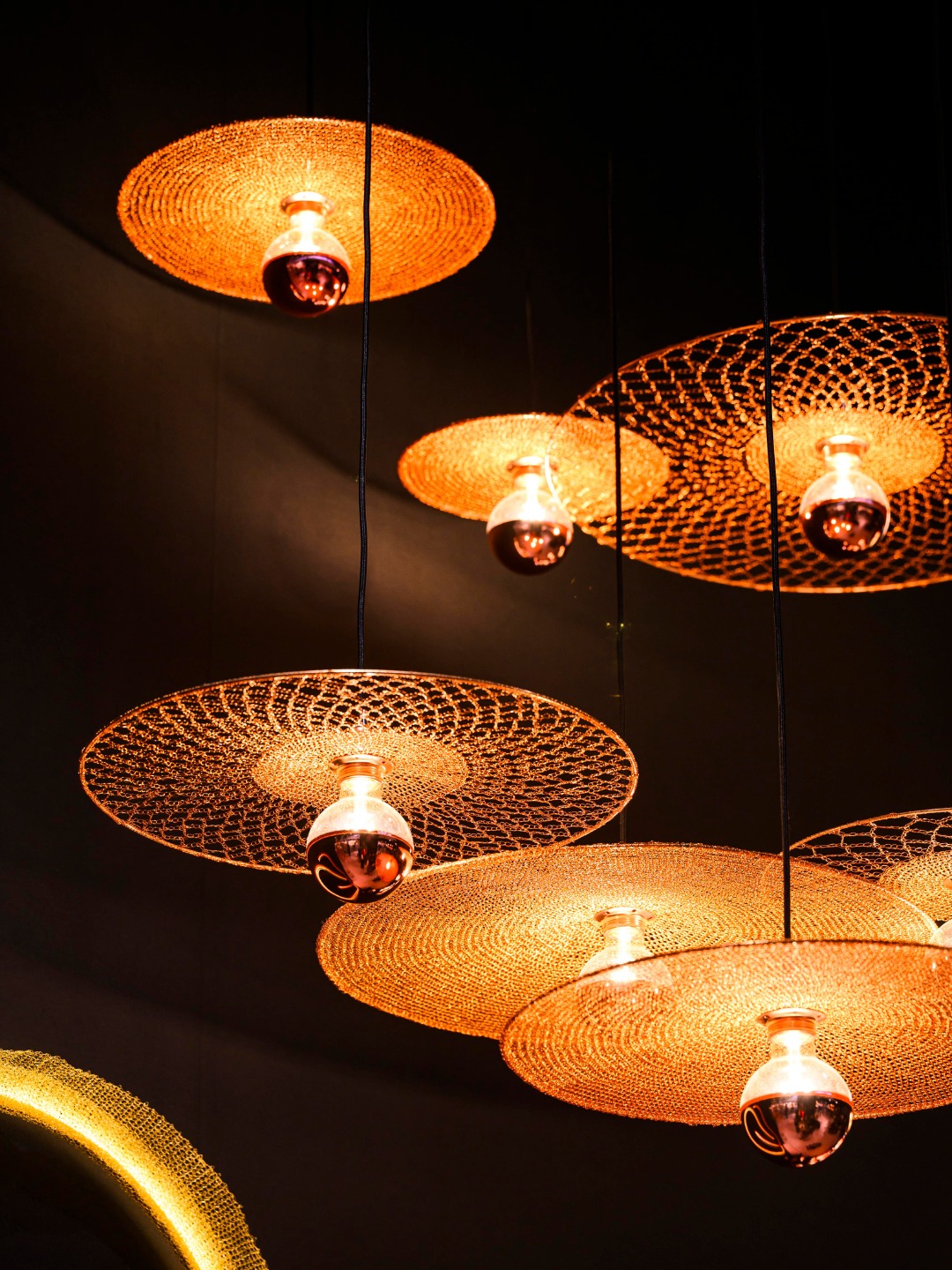
Lighting as Sculpture
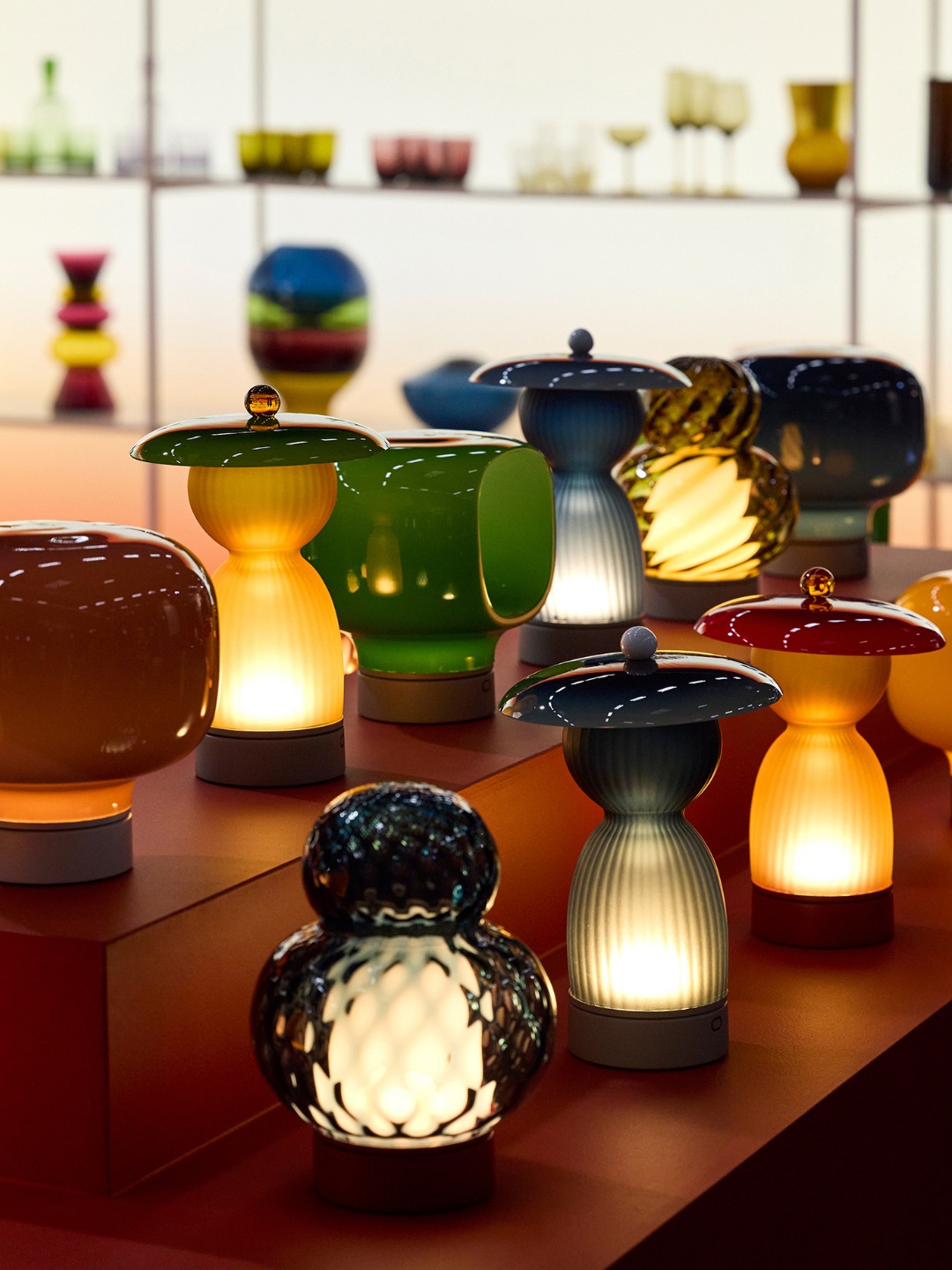
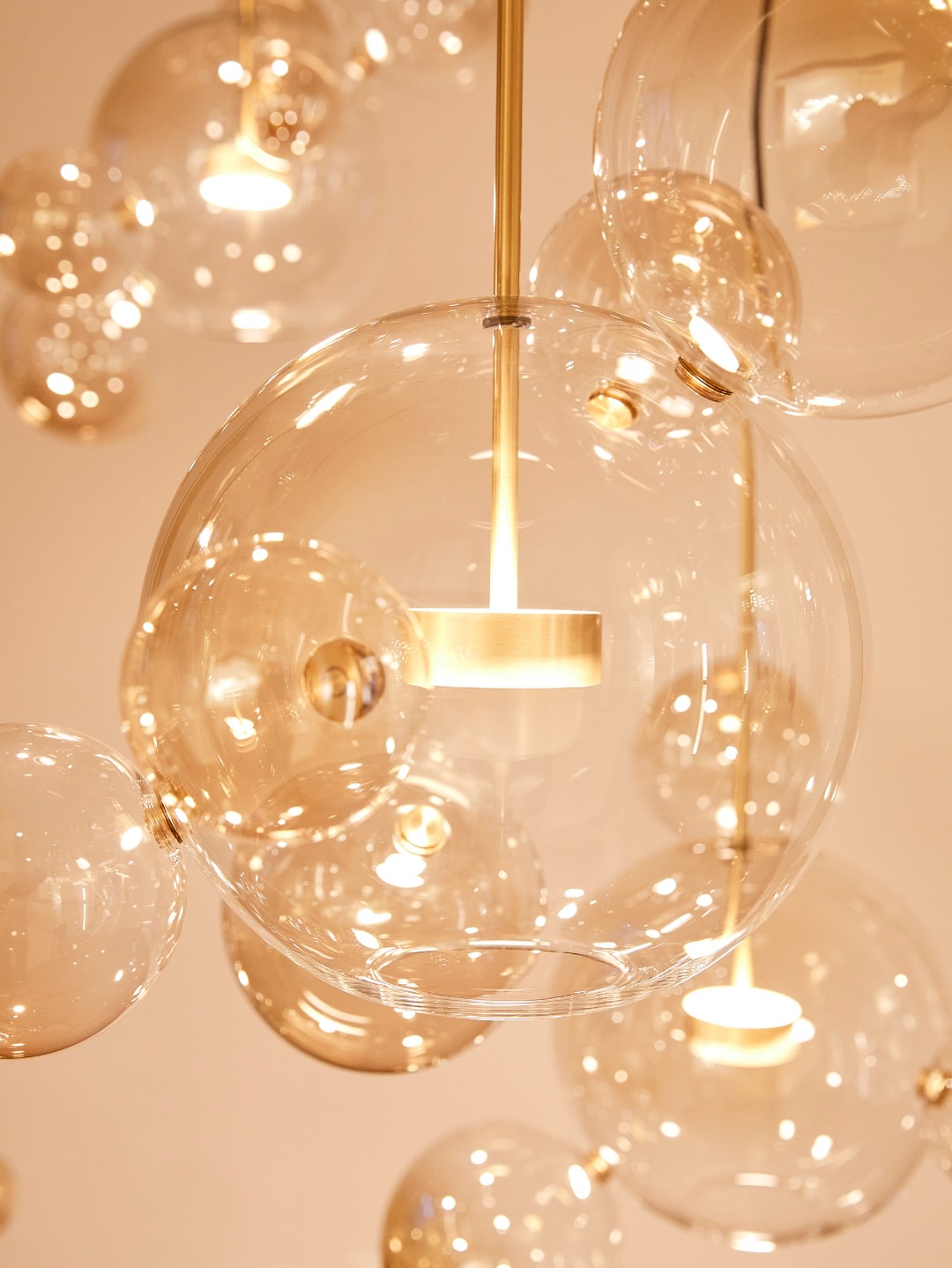
Lighting stood out as one of the most innovative categories. From cloud‑like biomorphic pendants to Japanese washi‑and‑wood lamps, the mood leaned poetic and material‑focused.
Why 2026 Felt Different
Across the fair, one message stood out: design isn’t racing toward novelty anymore—it’s slowing down to reinterpret, refine, and reconnect.
Whether through material intelligence, circular thinking, or the reactivation of heritage skills, Maison & Objet 2026 embraced an ethic of meaningful creation, not spectacle. As one curator noted, this edition “responds with design full of soul”—a sentiment echoed in nearly every exhibit.
 |
 |
 |
 |
 |
 |
 |
 |