Milan Design Week: A Curated Journey Through Design, Craft and Contemporary Luxury
May 2, 2026
Each April, Milan becomes the epicentre of global design, where the industry gathers not only to launch new collections but to exchange ideas, philosophies, and visions of contemporary living. Milan Design Week is less about trends in isolation and more about storytelling—how heritage, craftsmanship, and innovation intersect to shape the interiors of tomorrow.
Immersive and intimate
Milan once again delivered a rich and layered experience, with exhibitions that felt immersive, intimate, and deeply considered. From historic palazzi to raw industrial spaces, here are some of the stand-out destinations that captured the spirit of Milan Design Week.
Artemest – L’Appartamento: Italian Craft at Its Most Poetic
A perennial highlight, L’Appartamento by Artemest remains one of the most compelling experiences of Milan Design Week. Set within a grand Milanese residence, the exhibition transforms an apartment into a sequence of richly layered interiors curated by international design studios.
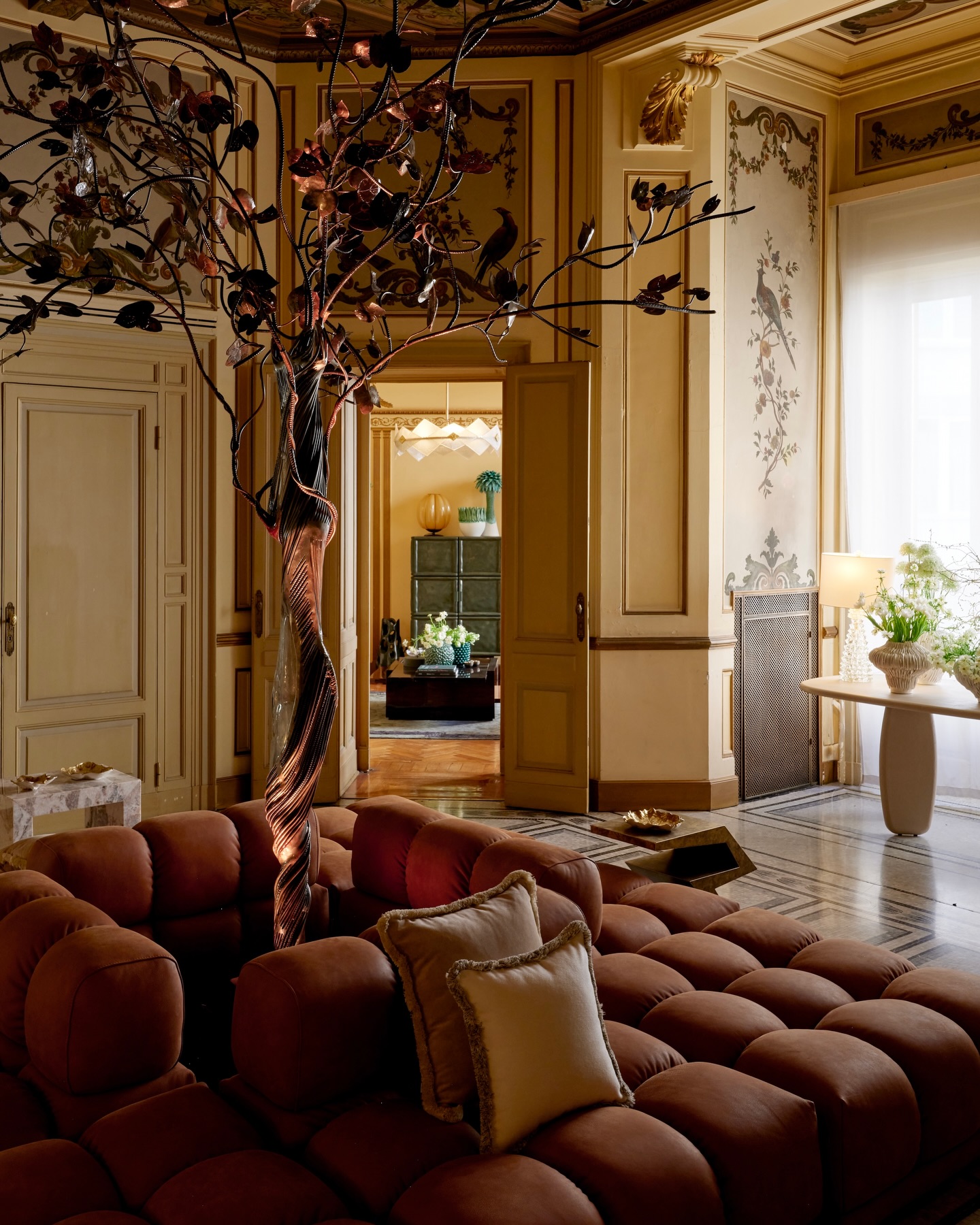
l’Appartamento by Artemest
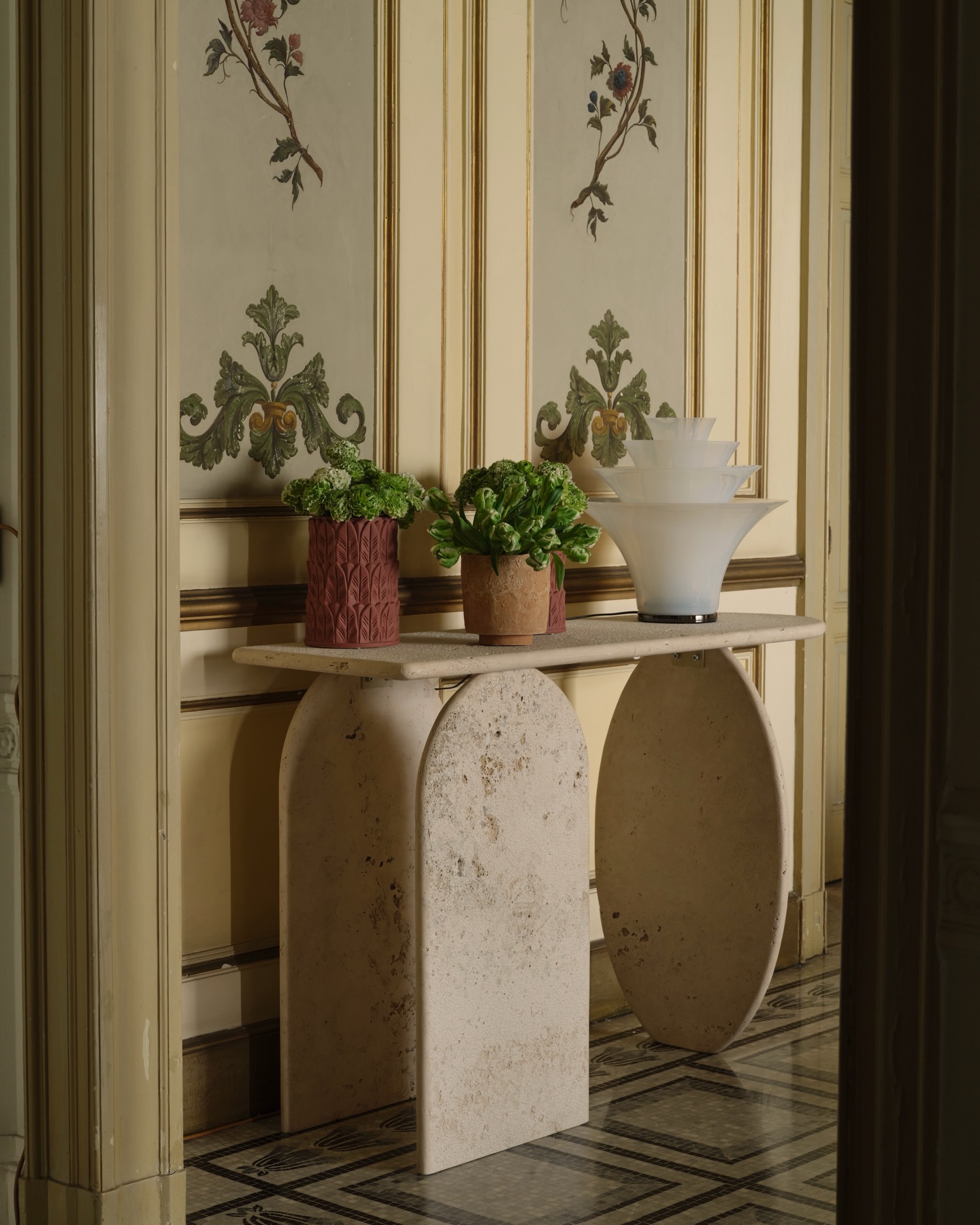
l’Appartamento by Artemest
Each room celebrates Italian artisanal excellence—bespoke furniture, hand-blown glass, sculptural lighting, and finely crafted objets—presented in a way that feels residential rather than showroom-like. The result is a poetic expression of Italian craft, where past and present coexist effortlessly, and where every detail rewards close attention. It is design as atmosphere rather than display.
Nilufar Gallery – Where Collectible Design Meets Curated Living
Nilufar Gallery continues to redefine how we experience collectible design. Whether at the Nilufar Depot or Via della Spiga, the gallery’s exhibitions blur the boundaries between vintage, contemporary, and art.
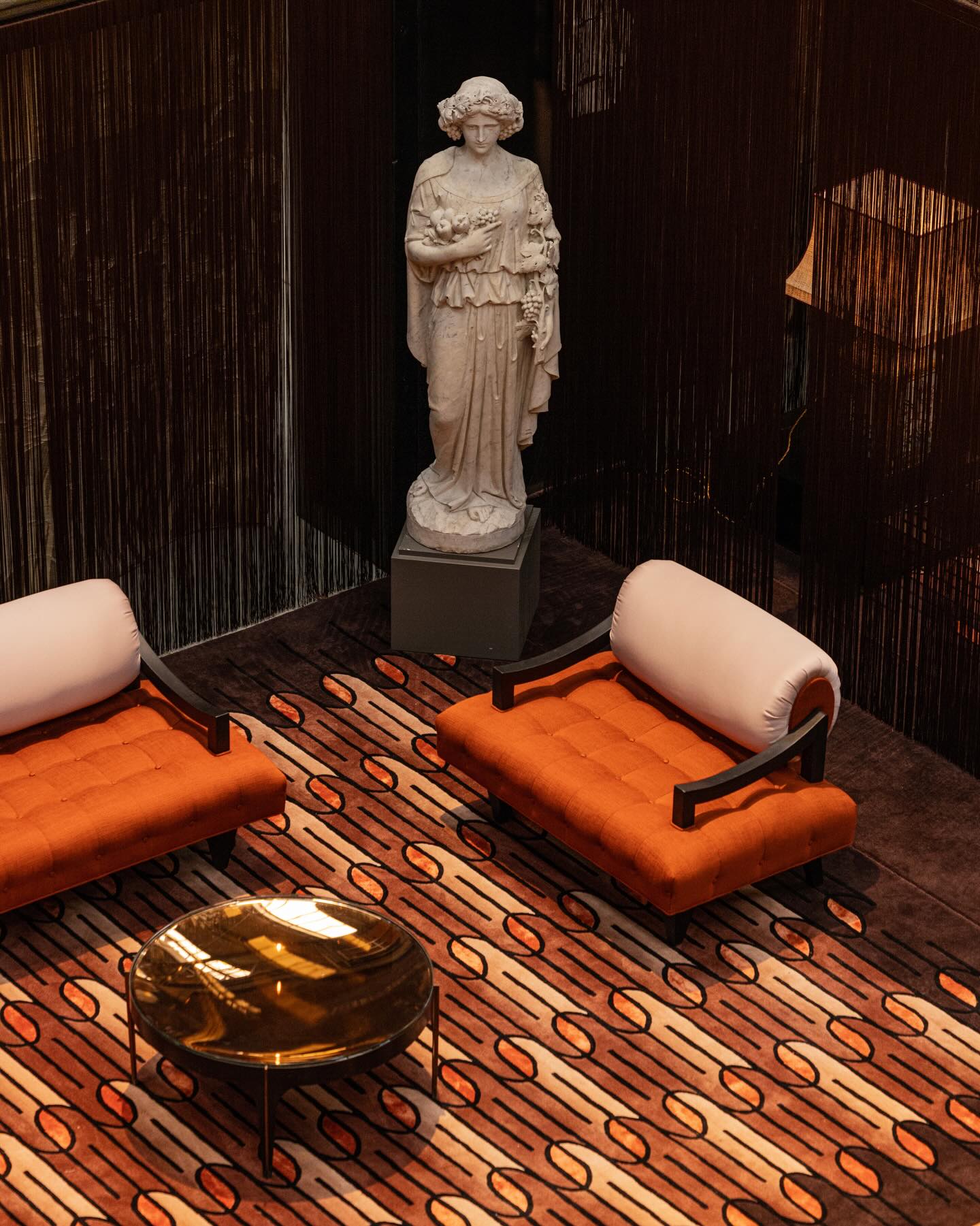
Nilufar Depot
This year’s presentations felt particularly cinematic, with bold compositions, unexpected juxtapositions, and a strong narrative thread. Nilufar’s strength lies in its ability to create spaces that feel emotive rather than commercial—rooms imagined for living, contemplation, and discovery, rather than simply acquisition.
Louis Vuitton & Buccellati – Heritage Reimagined
Luxury heritage houses played a significant role this year, demonstrating how craftsmanship can be both timeless and progressive.
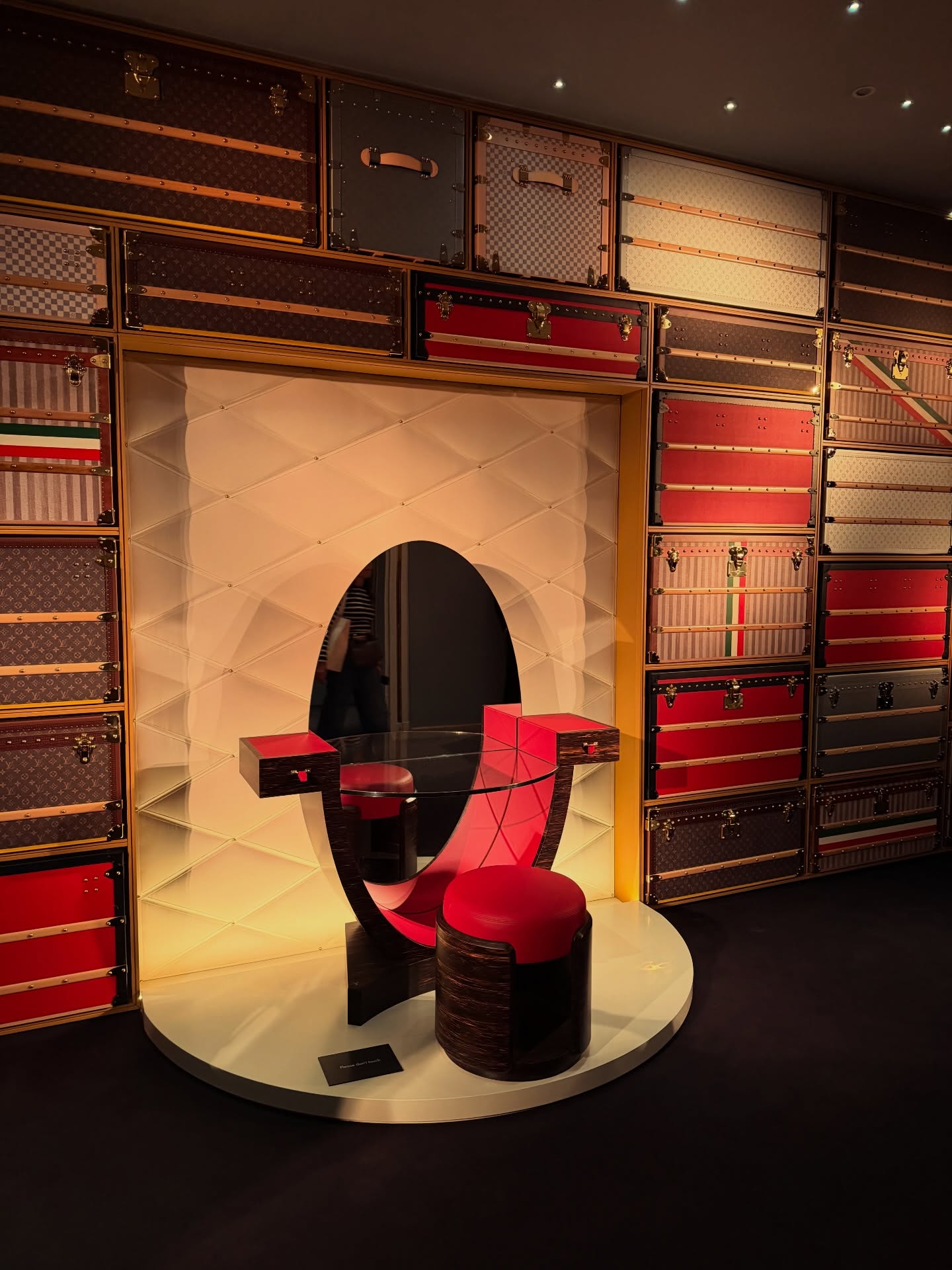
LVMH
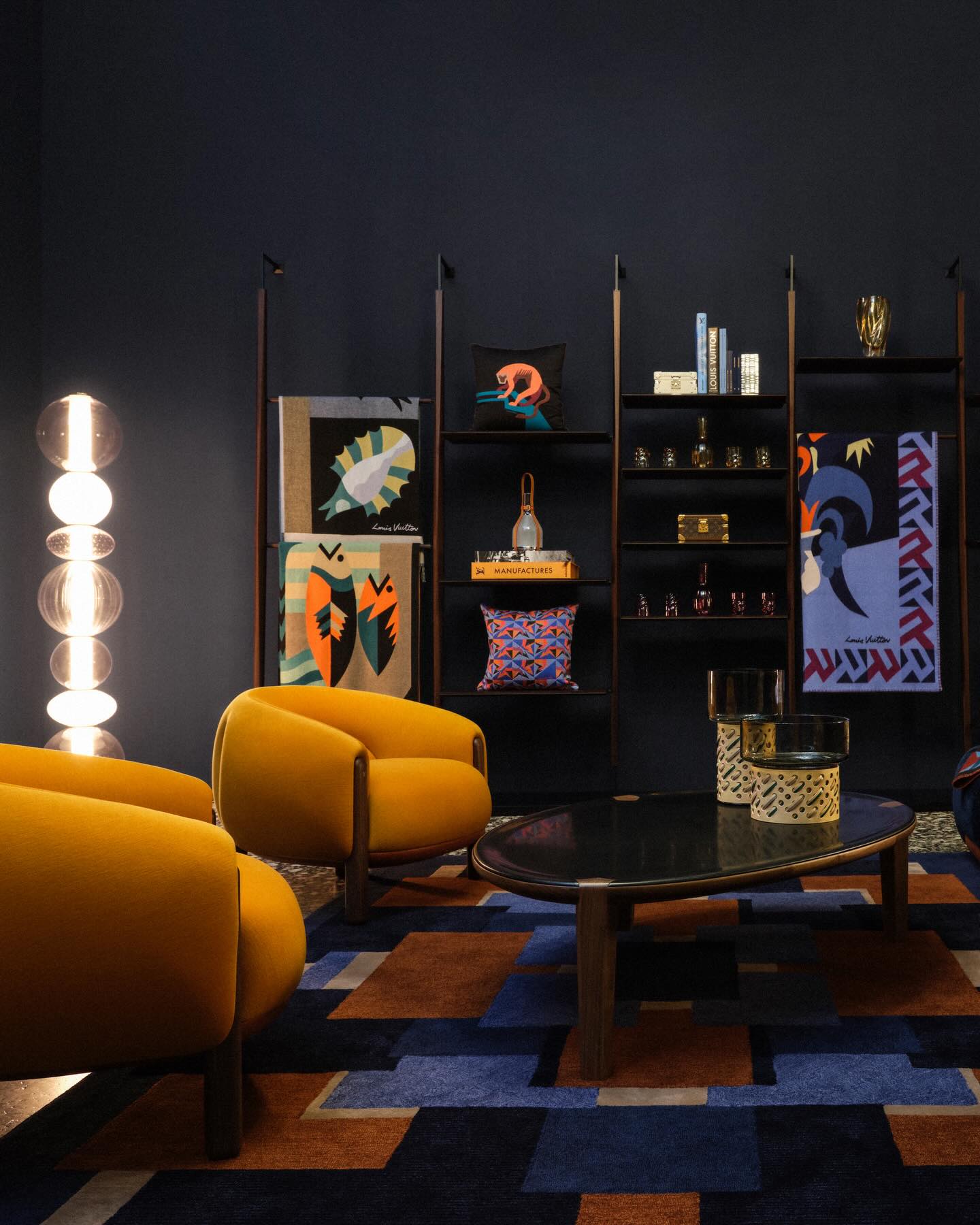
LVMH
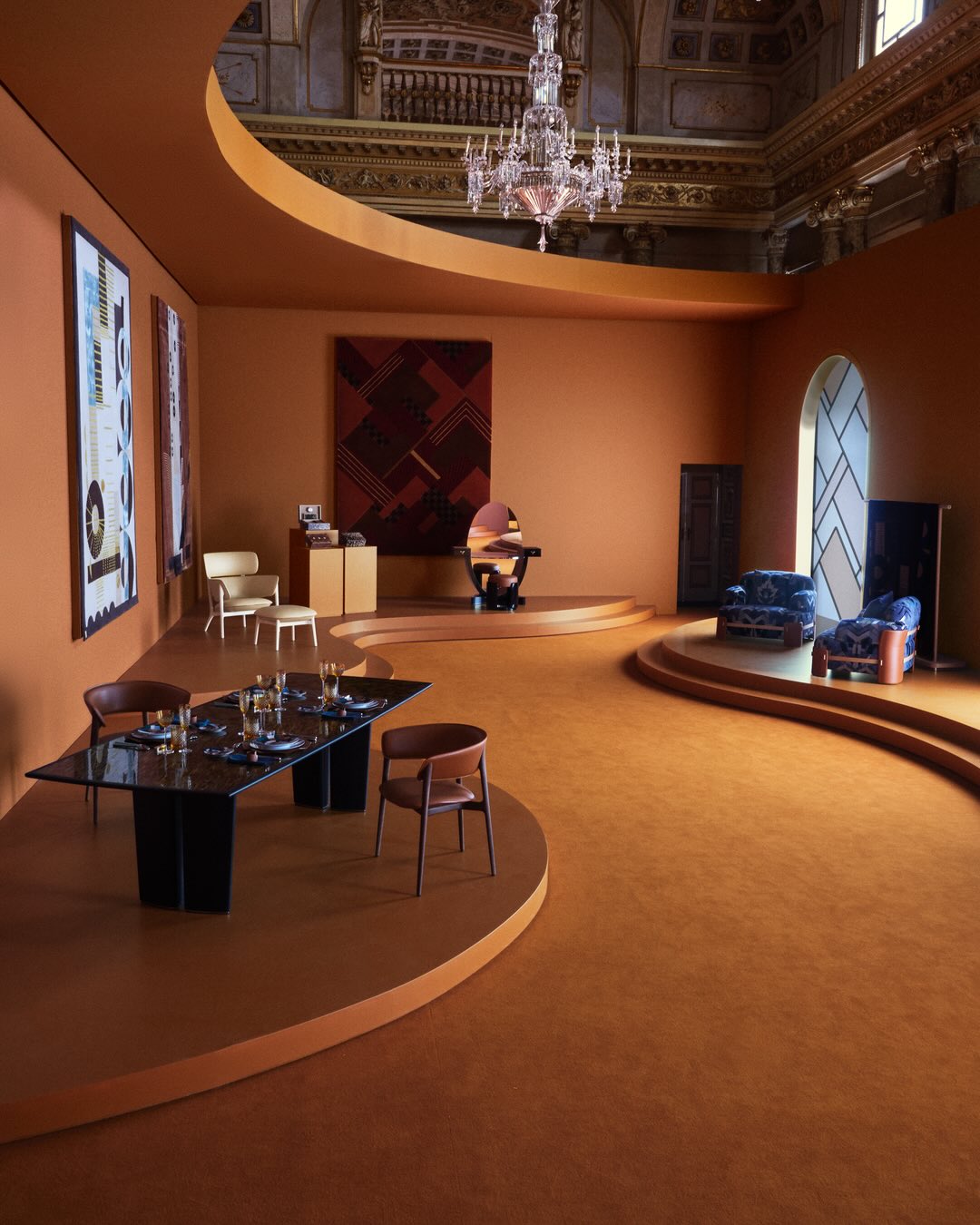
LVMH
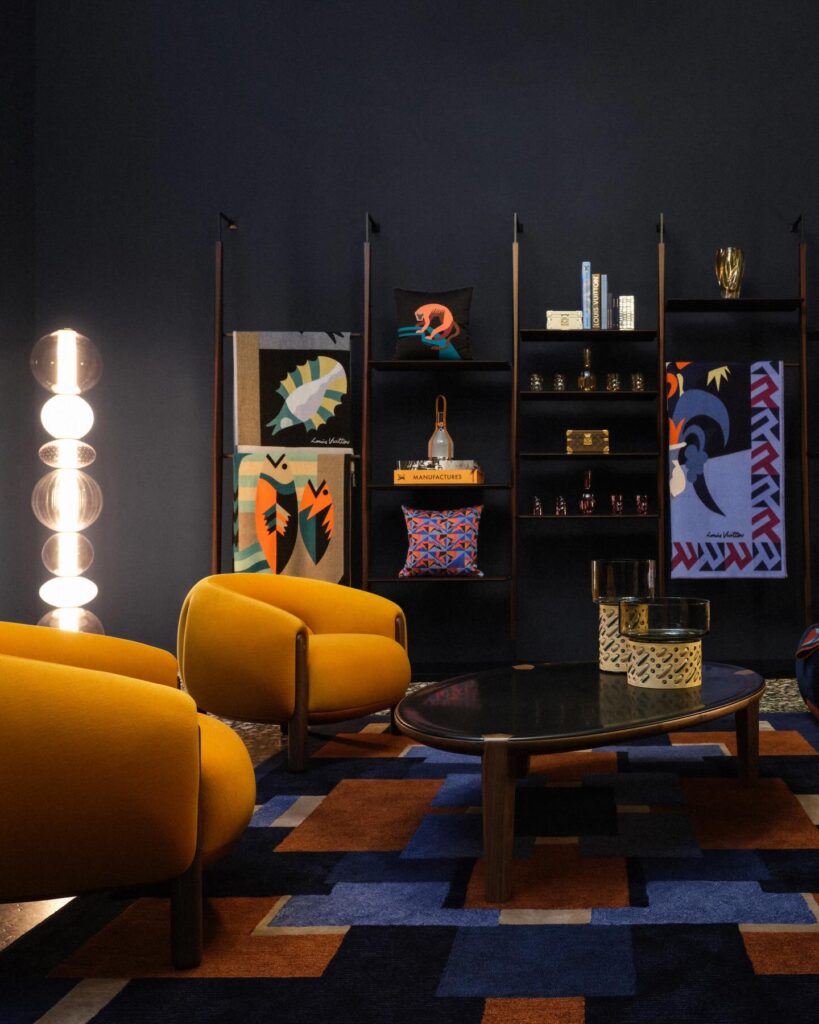
Louis Vuitton’s design presentation expanded its design universe beyond fashion, offering sophisticated furniture and objets that reflected the maison’s savoir-faire and commitment to exceptional materials.
Buccellati, meanwhile, delivered a quietly opulent experience rooted in Italian goldsmith tradition.
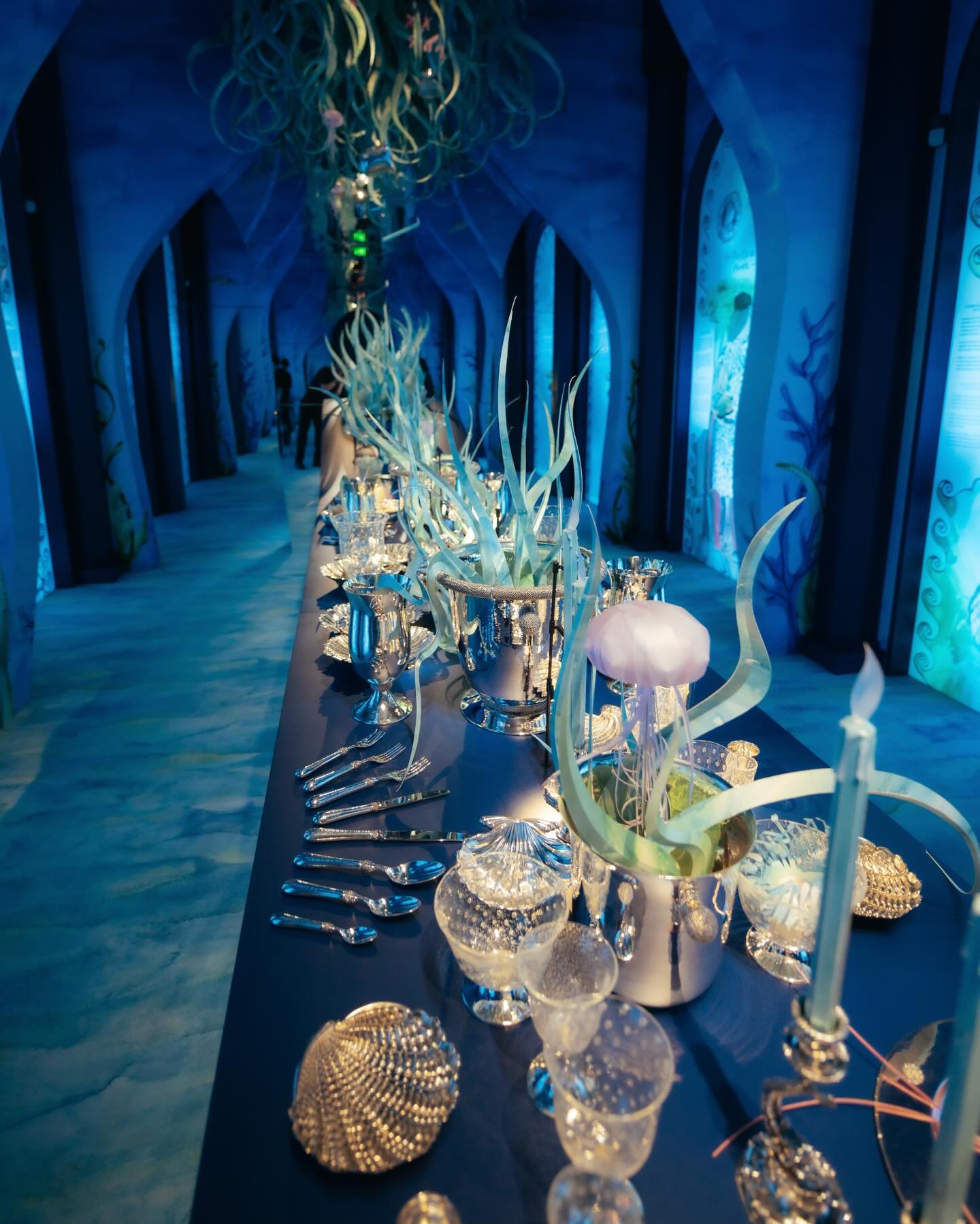
Buccellati
The brand’s silver and decorative pieces felt sculptural and architectural, reinforcing the idea that true luxury lies in technique, time, and restraint.
Tom Dixon – Experimental, Graphic and Material-Driven
Tom Dixon’s presentation brought a more industrial sensibility into the Milanese mix. Known for his experimental approach to materials and form, Dixon’s work continues to explore how light, surface, and geometry define modern interiors.
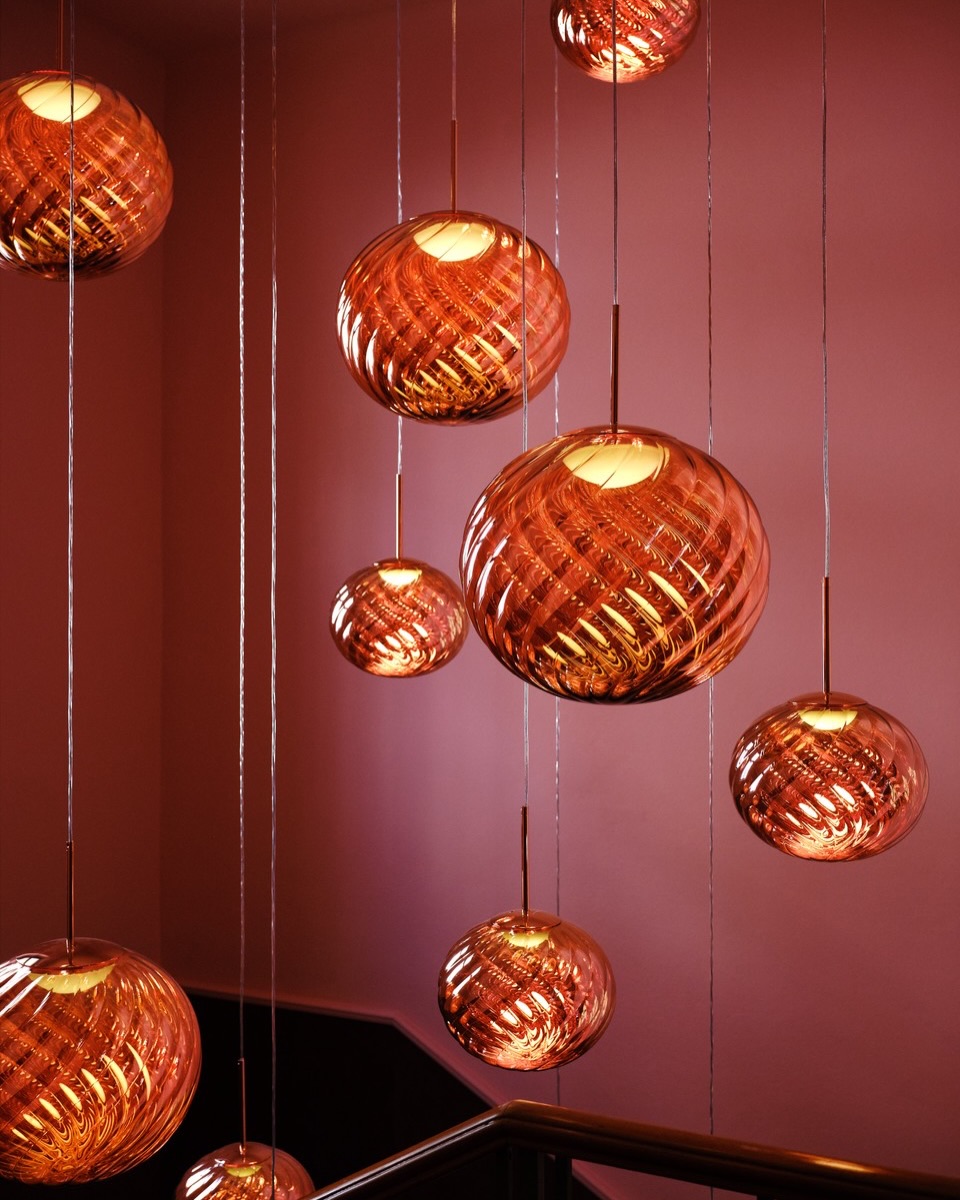
The installation felt bold and uncompromising—minimal yet expressive—offering a counterpoint to the classical settings found elsewhere in the city. It was a reminder that innovation in design often comes from challenging conventions rather than refining them.
La Maison Pierre Frey – Colour, Craft and Cultural Dialogue
La Maison Pierre Frey offered a richly textured and joyful counterbalance, with presentations steeped in colour, pattern, and artisanal narrative. Textiles, wallcoverings, and furniture told stories inspired by travel, history, and craftsmanship, celebrating imperfection and individuality.
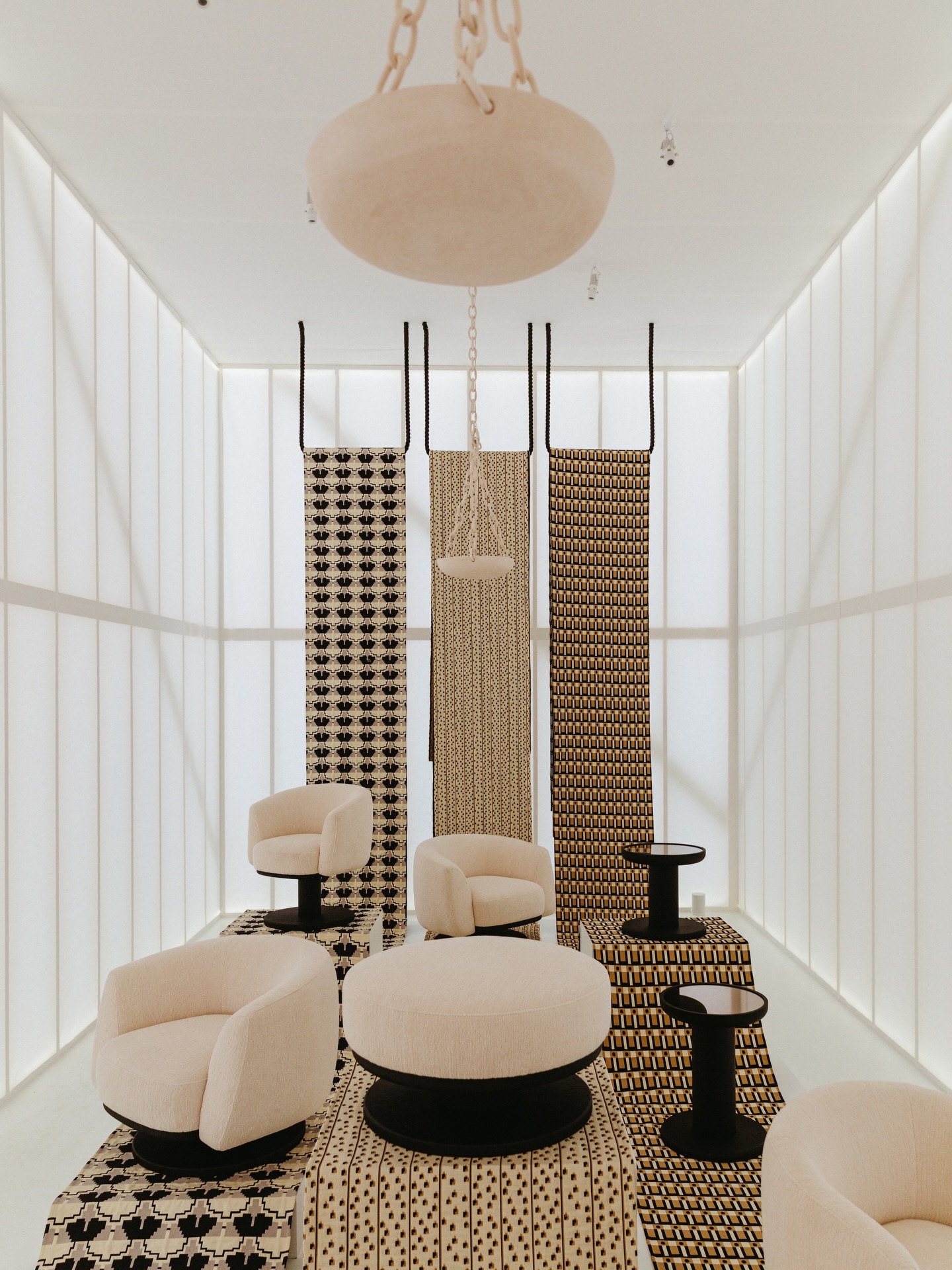
La Maison Pierre Frey
The atmosphere felt warm and layered, echoing a growing desire for interiors that feel personal, expressive, and emotionally resonant rather than rigidly minimal.
Alcova Milano – The Future Emerges on the Margins
True to its reputation as a platform for emerging voices, Alcova Milano remains one of the most exciting stops during Design Week. Set within evocative, often semi-derelict locations, Alcova’s raw backdrops allow experimental work to shine.
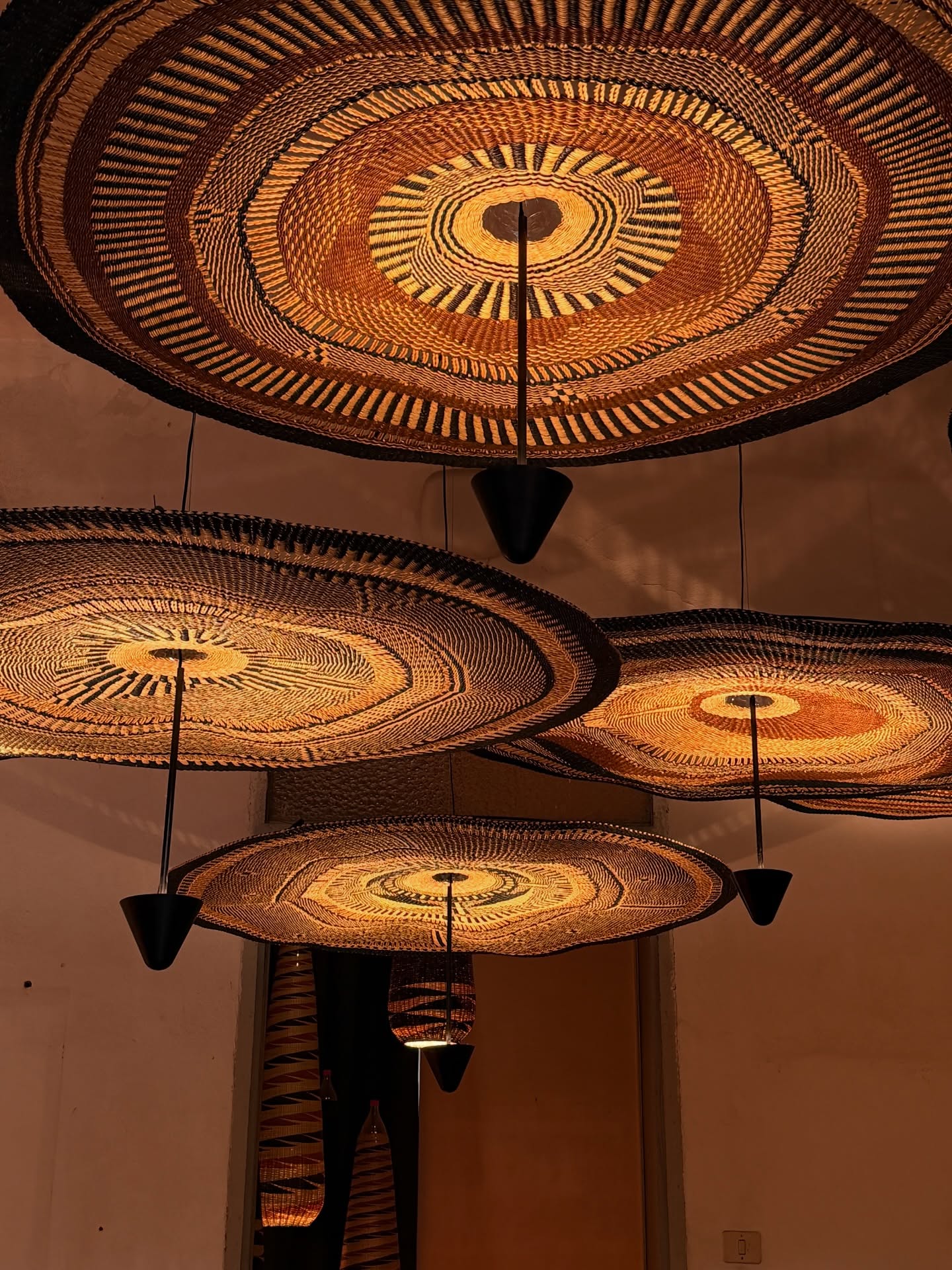
Alcova Milano
This is where material research, sustainability, and speculative design come to the fore—sometimes challenging, sometimes poetic, always thought-provoking. Alcova continues to act as a bellwether for what’s next.
Bottega Veneta – Quiet Luxury, Architectural Calm
Bottega Veneta’s contribution to Milan Design Week was deliberately understated and beautifully executed. Known for its devotion to craft and material integrity, the brand presented interiors and objects that felt calm, tactile, and architectural.
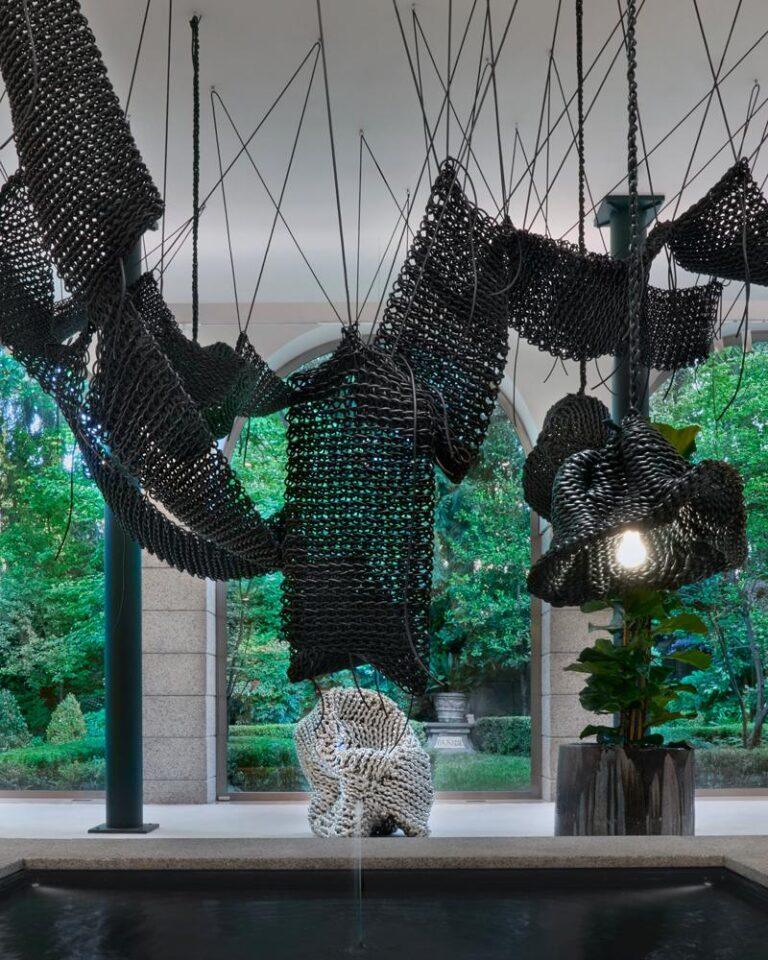
Bottega Veneta
There was a sense of discretion and refinement—luxury that whispers rather than announces itself—reflecting a broader shift in the high-end market toward subtlety and longevity.
Visionnaire Home Philosophy, Maison Numero 20, Raritas & Acerbis
Among the furniture-focused presentations, Visionnaire Home Philosophy stood out for its dramatic scale and sculptural forms, offering a vision of contemporary luxury that is bold, expressive, and unapologetically glamorous.
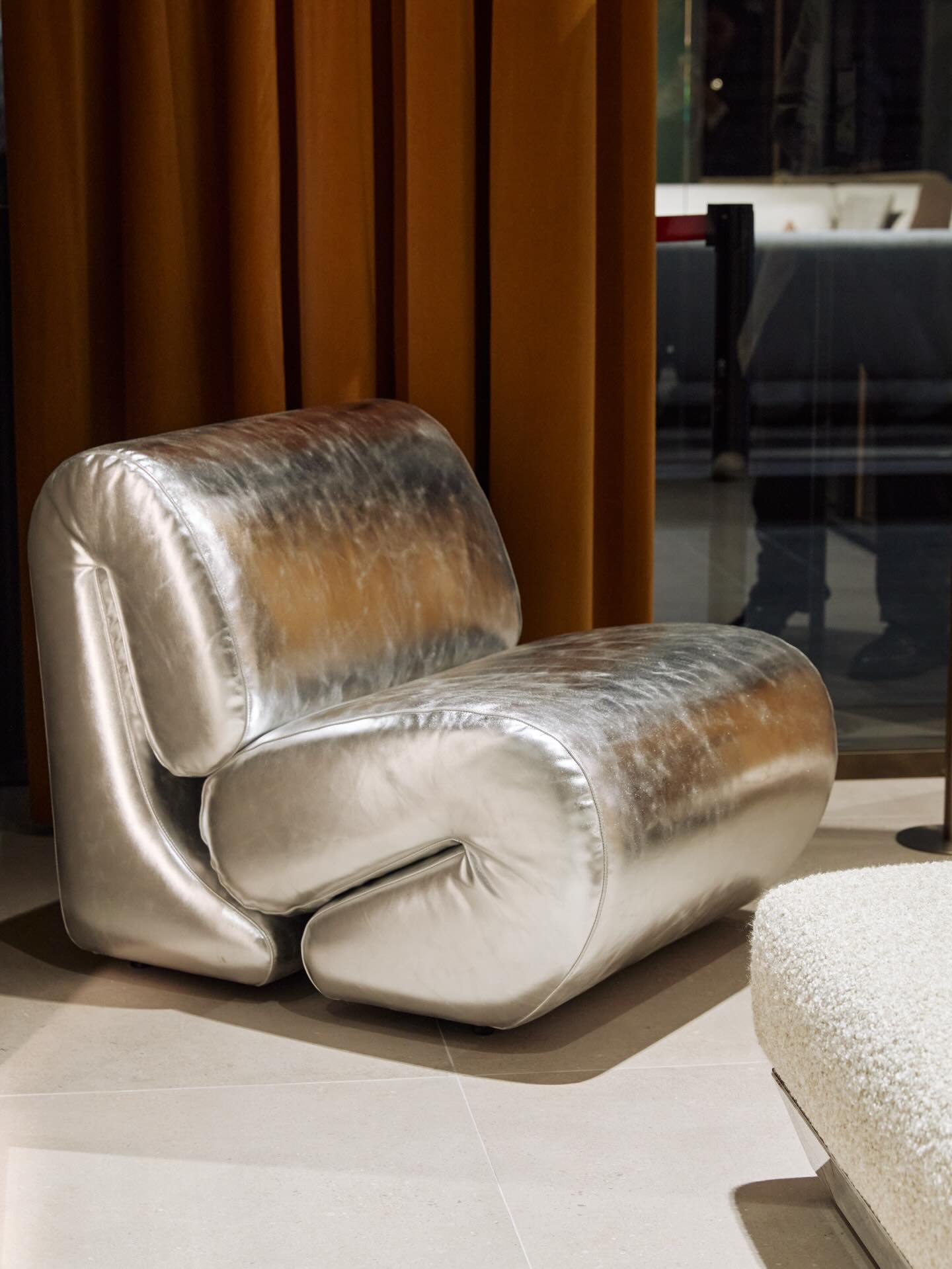
Visionnaire Home Philosophy
Maison Numero 20 provided a more intimate and architectural approach, with finely detailed pieces that reference classic proportions through a modern lens.
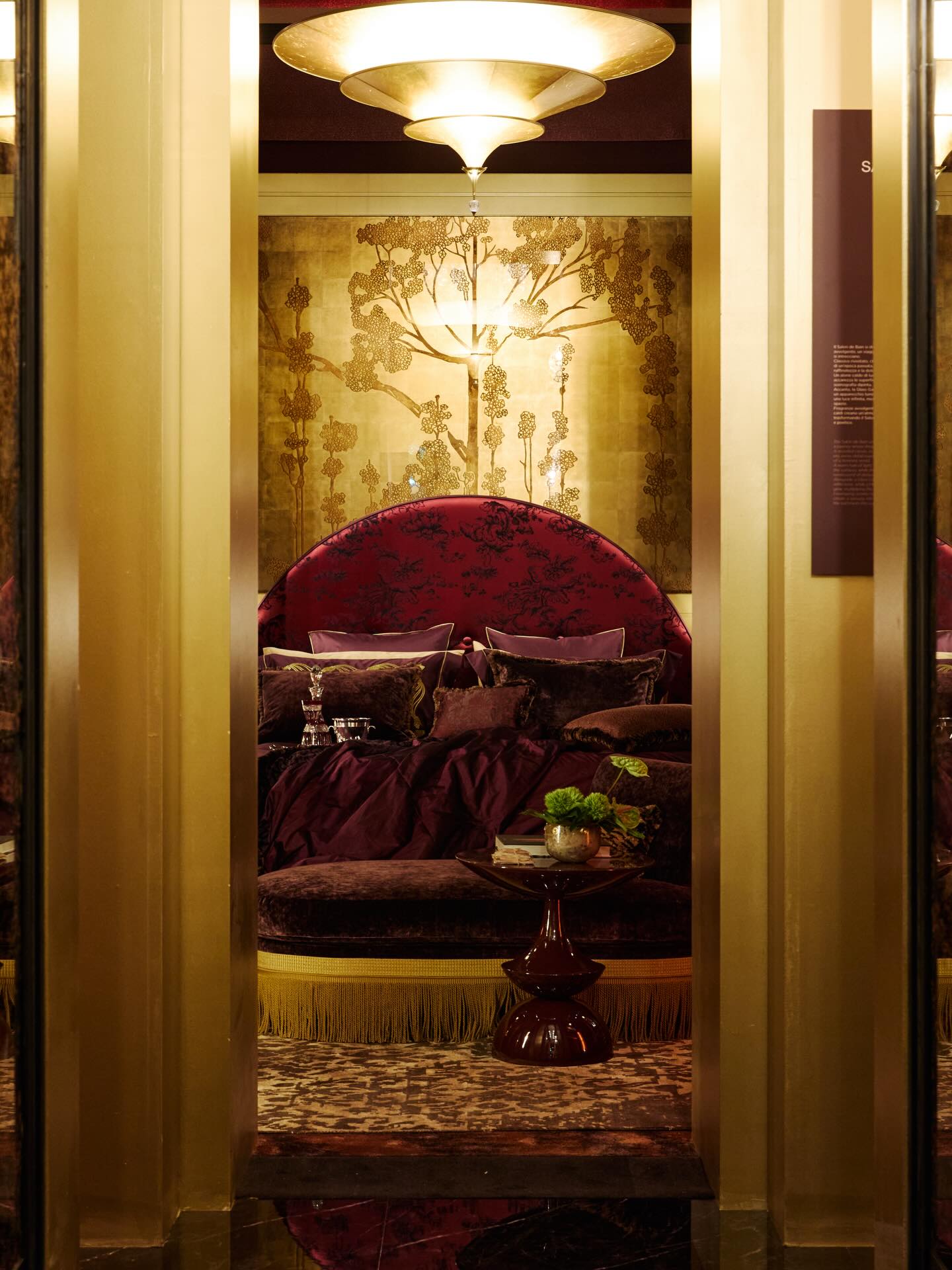
Maison Numero 20
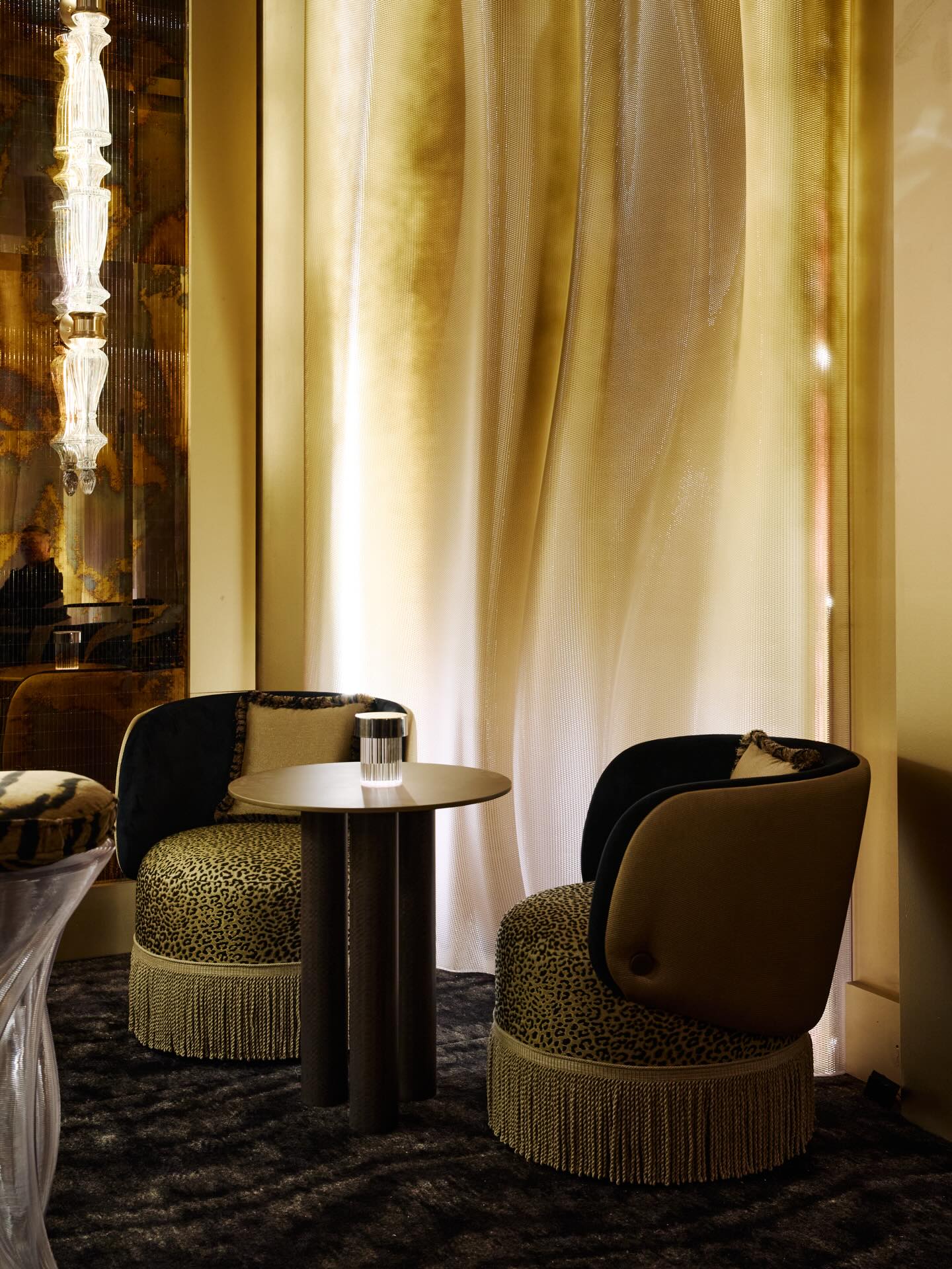
Maison Numero 20
Raritas impressed with its emphasis on rarity and craftsmanship, while Acerbis Design reaffirmed the strength of Italian modernism—timeless pieces reintroduced with confidence and relevance for today’s interiors.
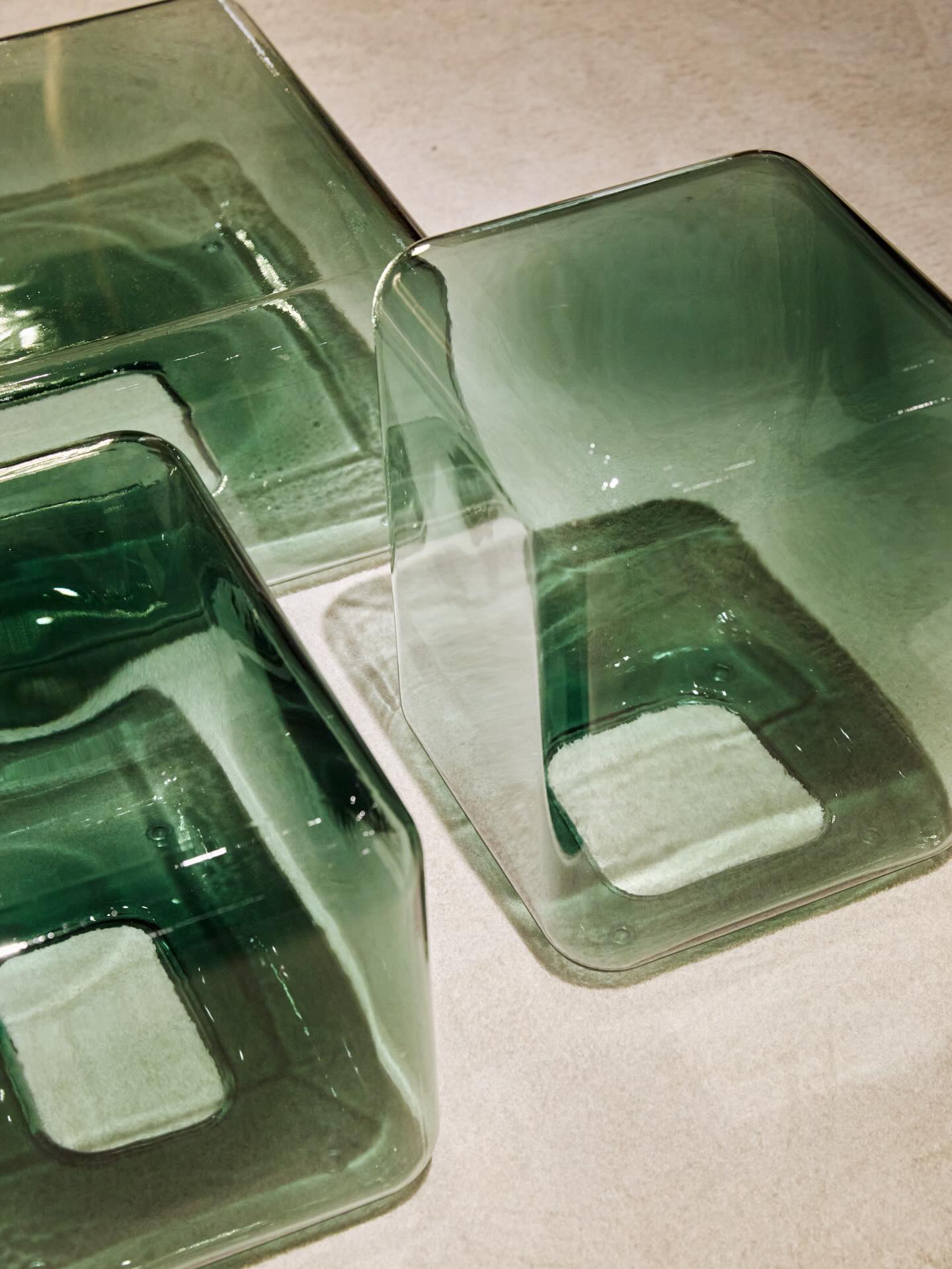
Acerbis Design
A Week Defined by Narrative and Nuance
What Milan Design Week continues to do so well is remind us that interior design is not simply about objects, but about mood, memory, and meaning. The most successful exhibitions this year were those that felt curated like lived-in homes rather than temporary showcases—spaces designed to be inhabited, not just admired.
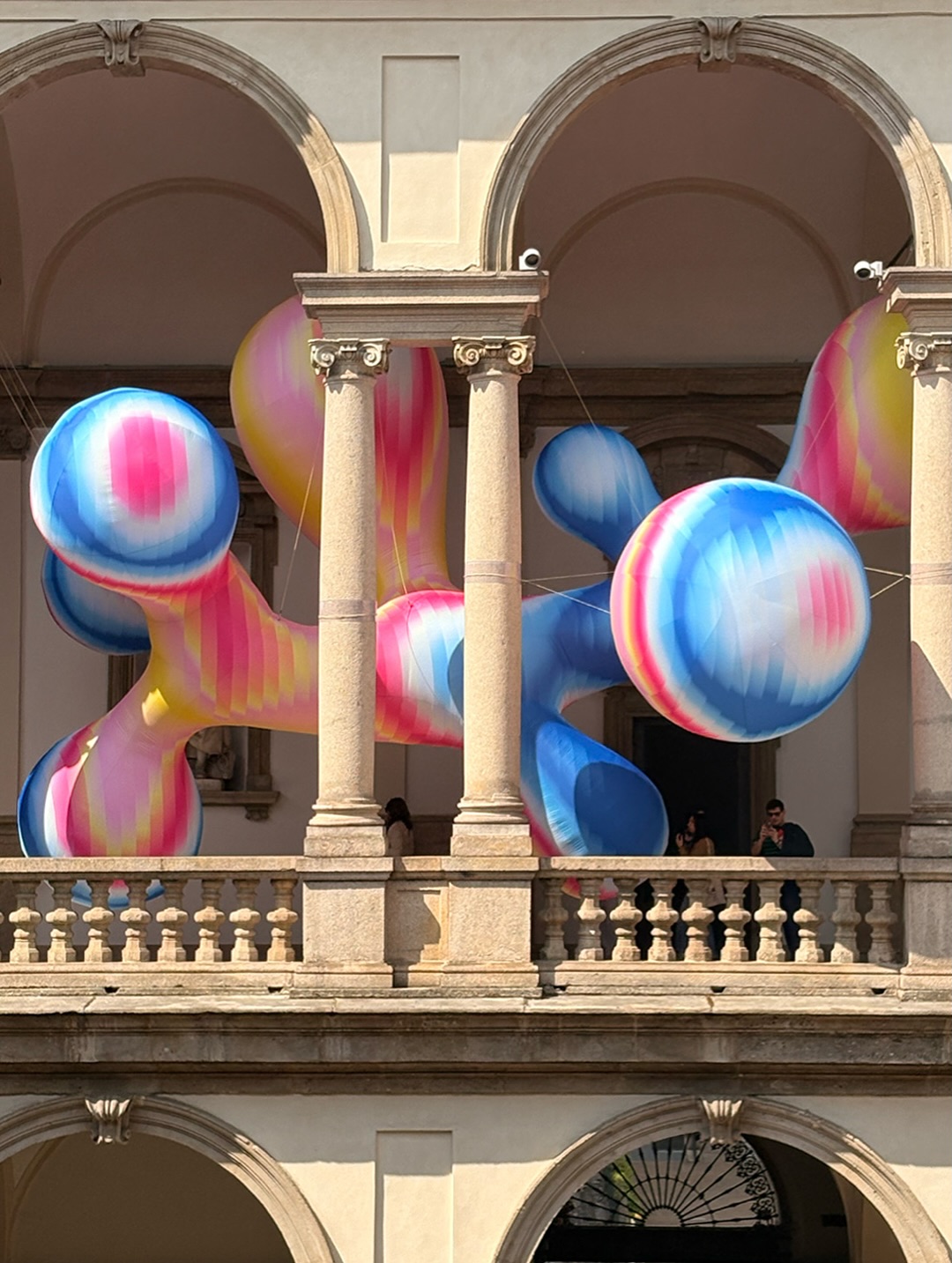
Loggia of pinacoteca di brera.
In a world increasingly driven by speed and digital consumption, Milan remains a place where time, craft, and thoughtful design still matter. And that is what continues to make it indispensable.
 |
 |
 |
 |
 |
 |
 |
 |