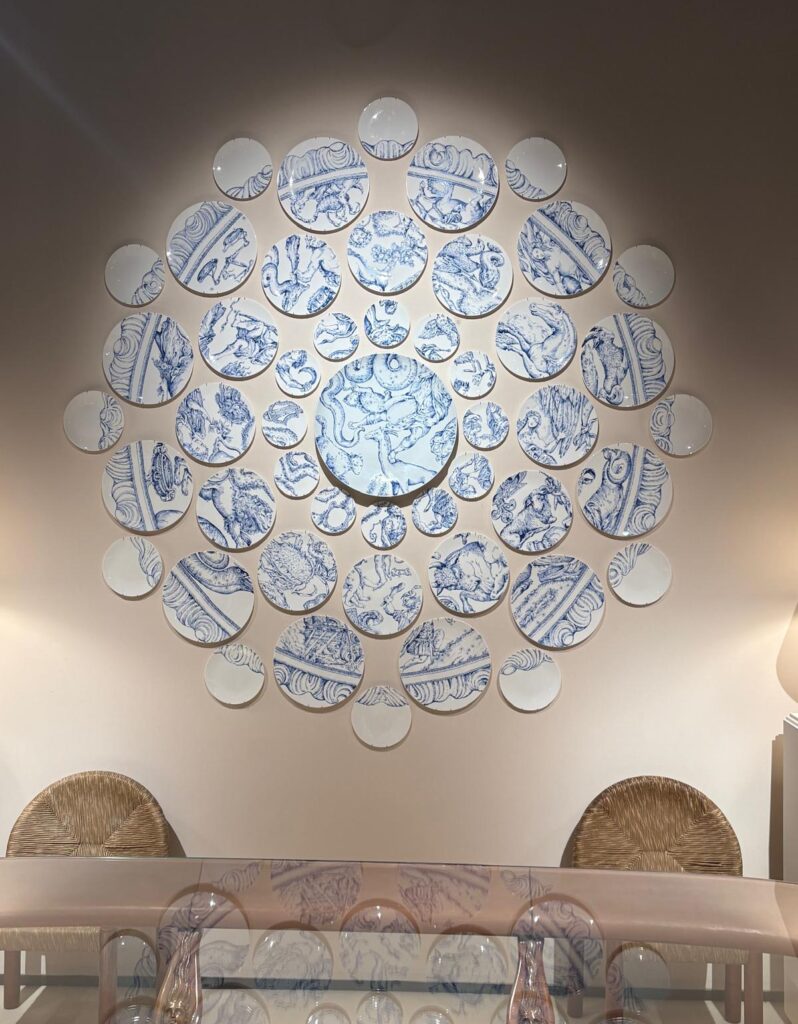
PAD Paris 2026: Collectible Design at Its Most Refined
April 18, 2026
Each April, PAD Paris sets the tone for the global design conversation—but the 2026 edition felt particularly aligned with the language of luxury interiors today. Held from April 8–12 in the Jardin des Tuileries, the fair brought together 77 international galleries in an intimate, highly curated setting, reinforcing its reputation as a benchmark for collectible design.
This year, PAD revealed a clear shift toward emotionally driven, highly personal interiors, where craftsmanship, narrative, and sculptural presence take precedence over trend-led decoration. Below are the key themes defining PAD Paris 2026.
Nature as Narrative: The Rise of Organic Luxury
Most notably, Maison Parisienne, which presented a stand entirely dedicated to plant-inspired works and organic forms.
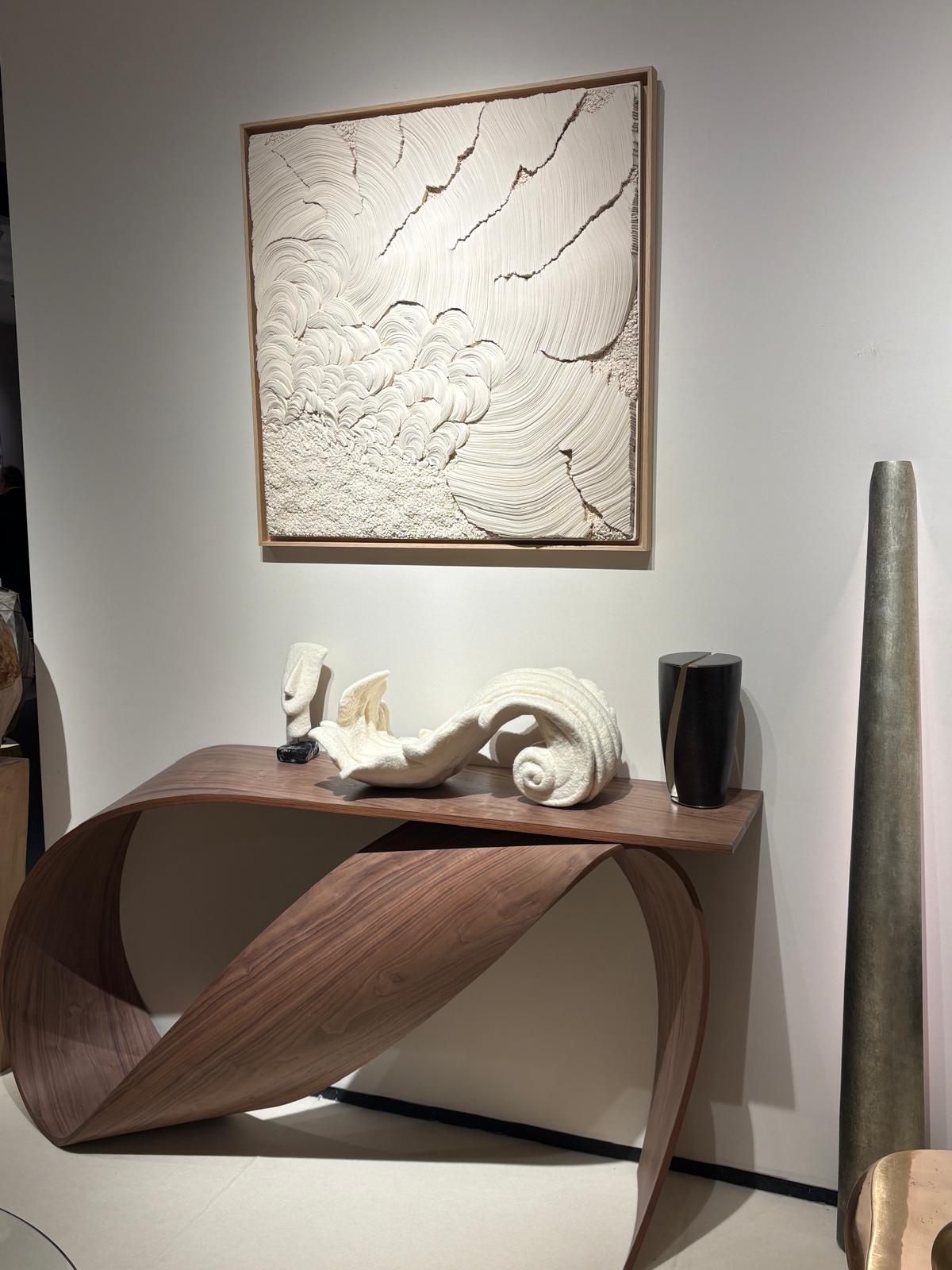
Maison Parisienne
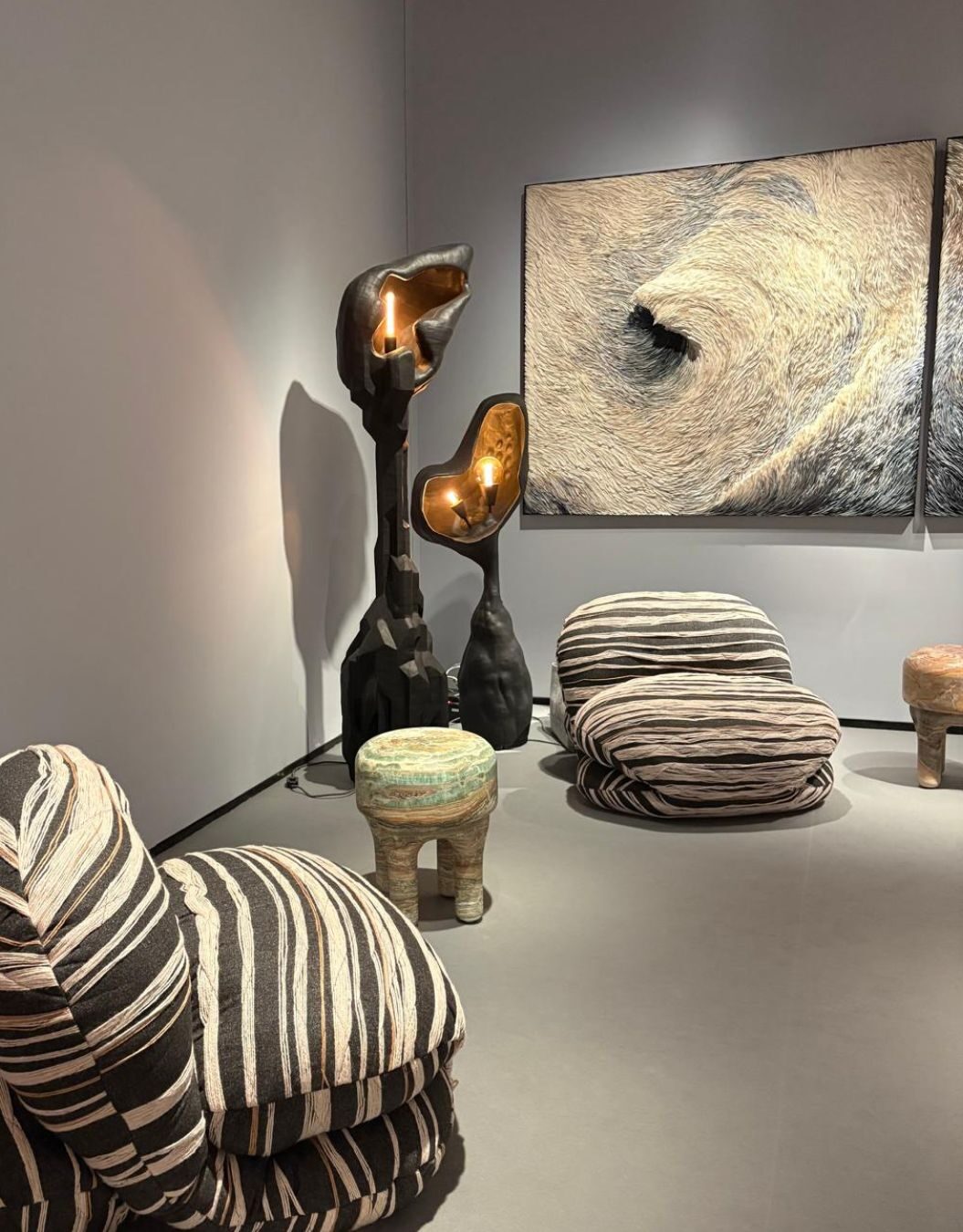
Mia Karlova Gallery
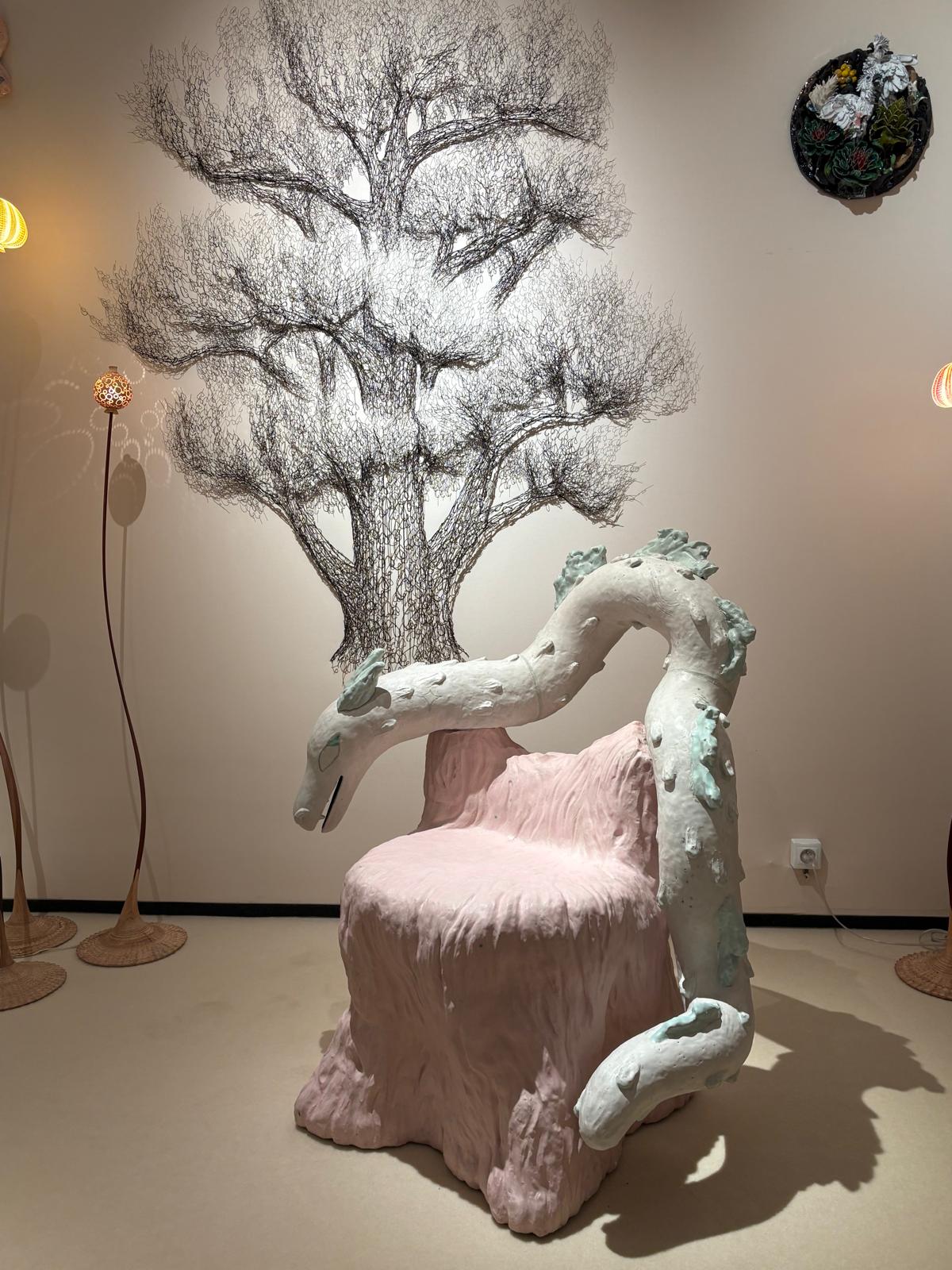
Antonine Catzéflis and Pierre Passebon-Dragon Throne” by Clémentine de Chabaneix
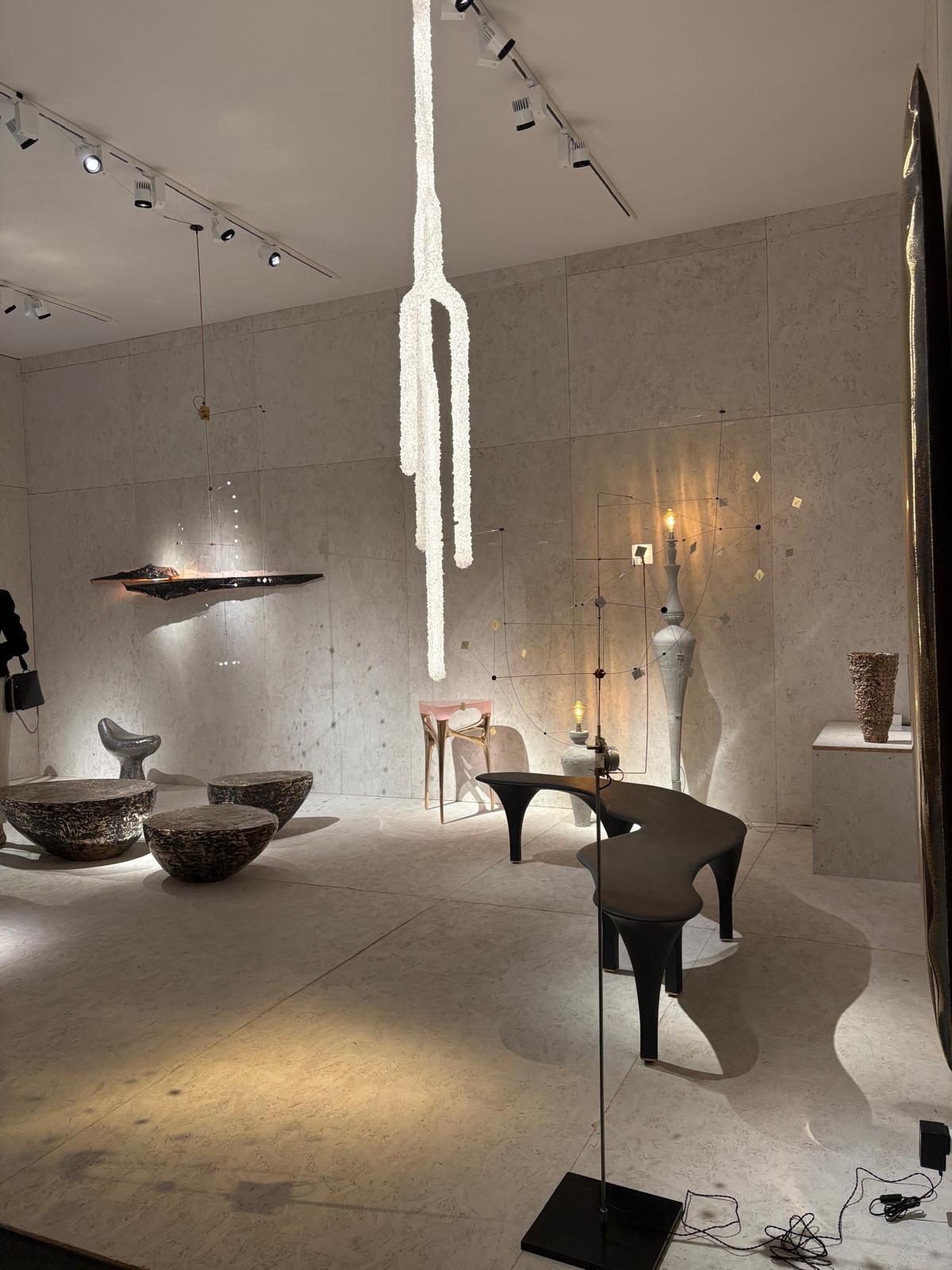
88 Gallery
Expect to see this translate into interiors through sculptural pieces with fluid, biomorphic silhouettes, a renewed focus on natural materials, artisanal finishes, and spaces that feel curated yet grounded in sensory calm.
For luxury interiors, this signals a move away from rigid minimalism toward something softer, more atmospheric, and deeply tactile.
A Dialogue Between Eras
PAD’s signature strength—its ability to juxtapose historical and contemporary design—was particularly refined this year.
Galleries such as Carpenters Workshop and Yves Salomon Editions created compelling dialogues between 20th-century icons and contemporary makers, reinforcing the enduring relevance of collectible design across eras.
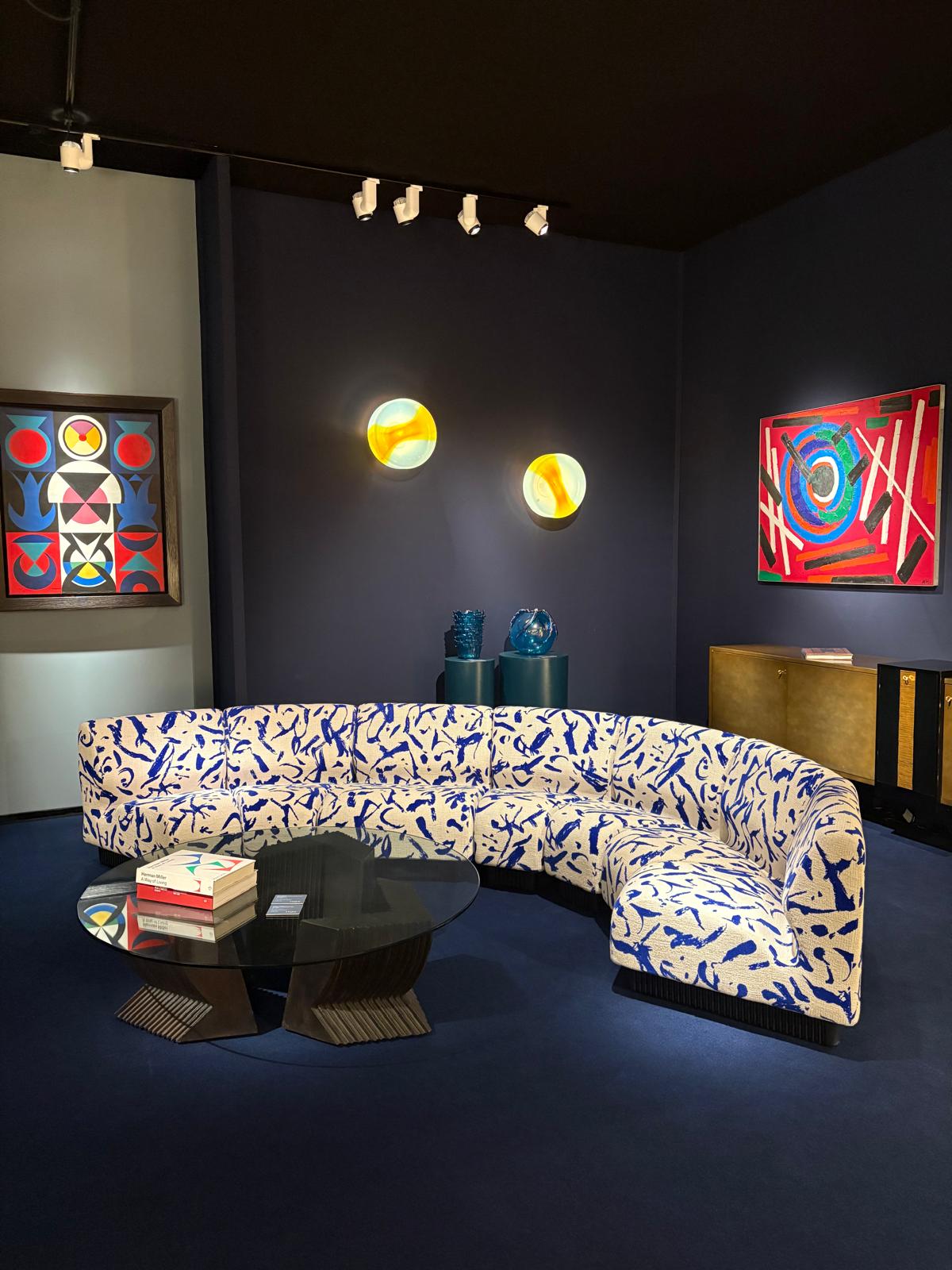
AtKris Studio
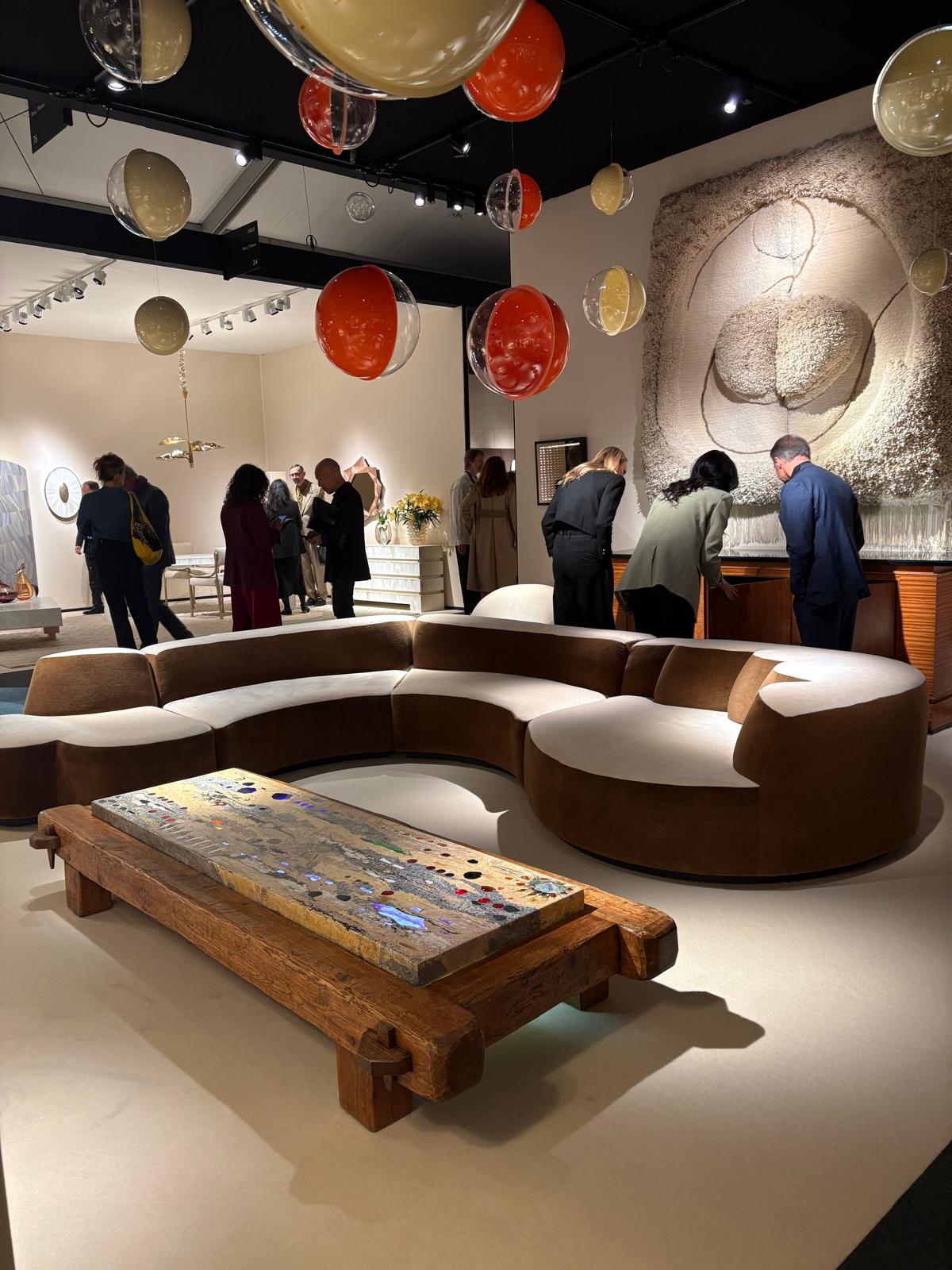
Hans Hopfer sectional sofa from Galerie Julien Spitzer.
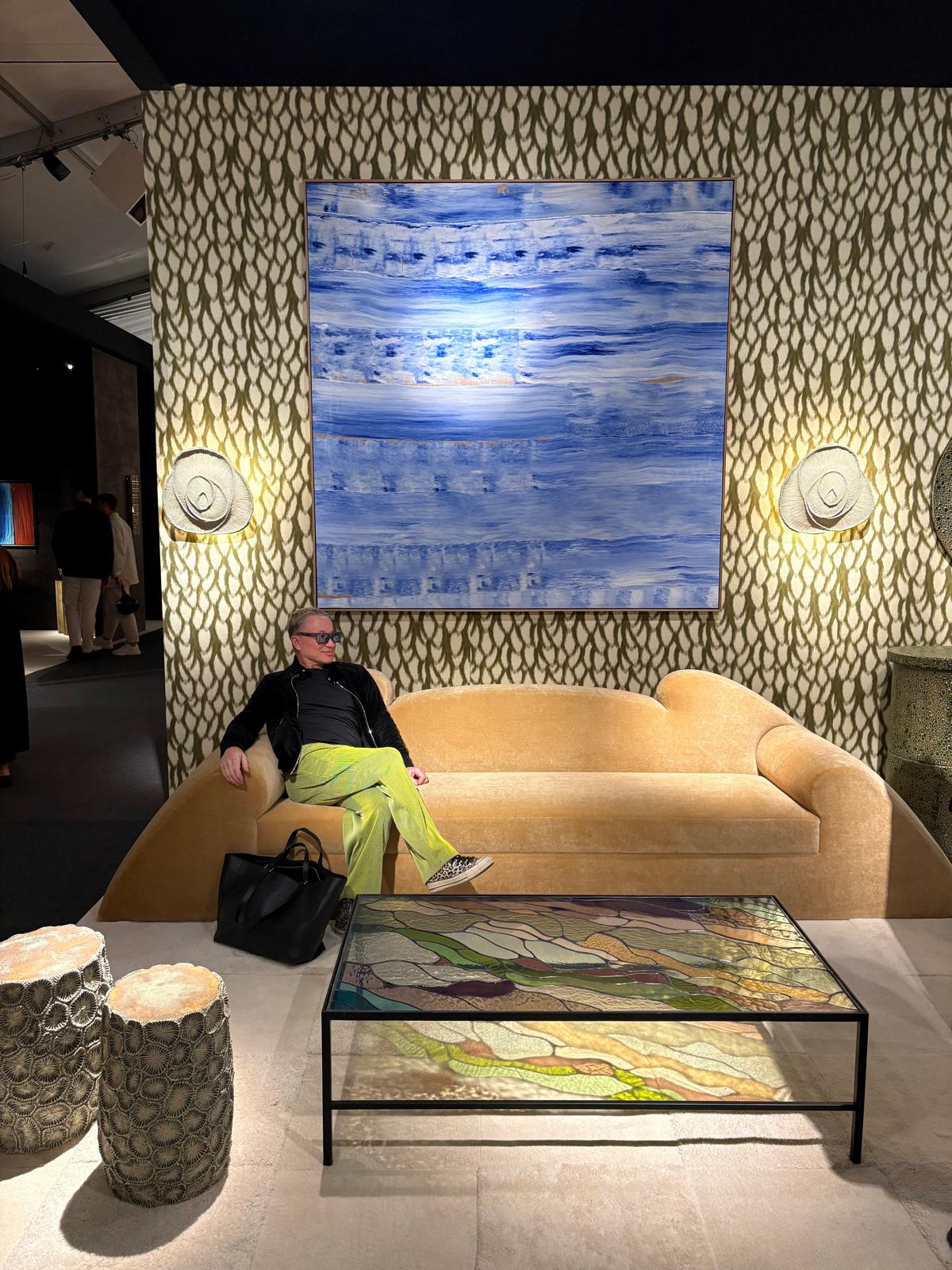
Sofa by Jeremy Pradier-Jeauneau.
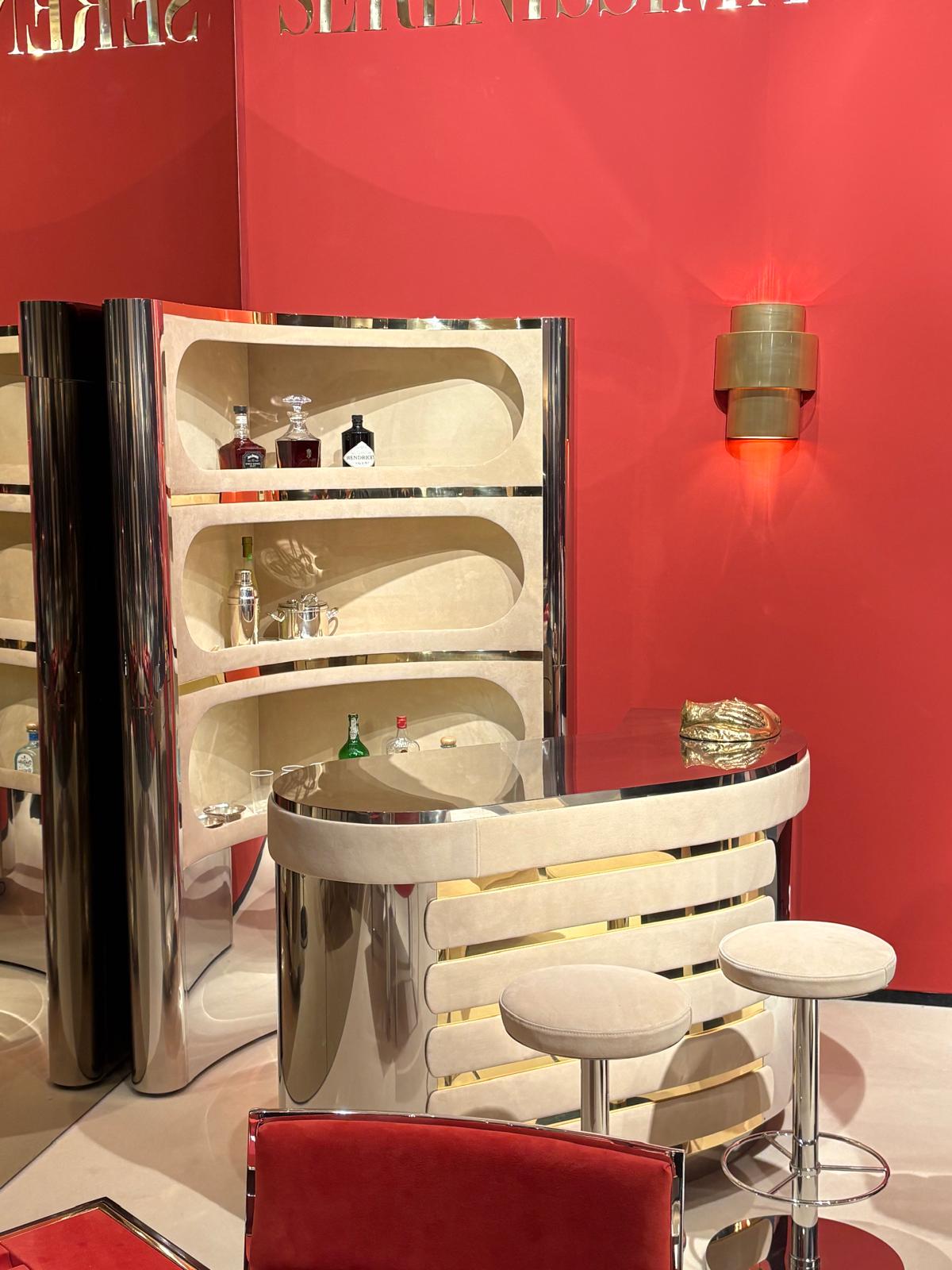
Galerie Willy Rizzo
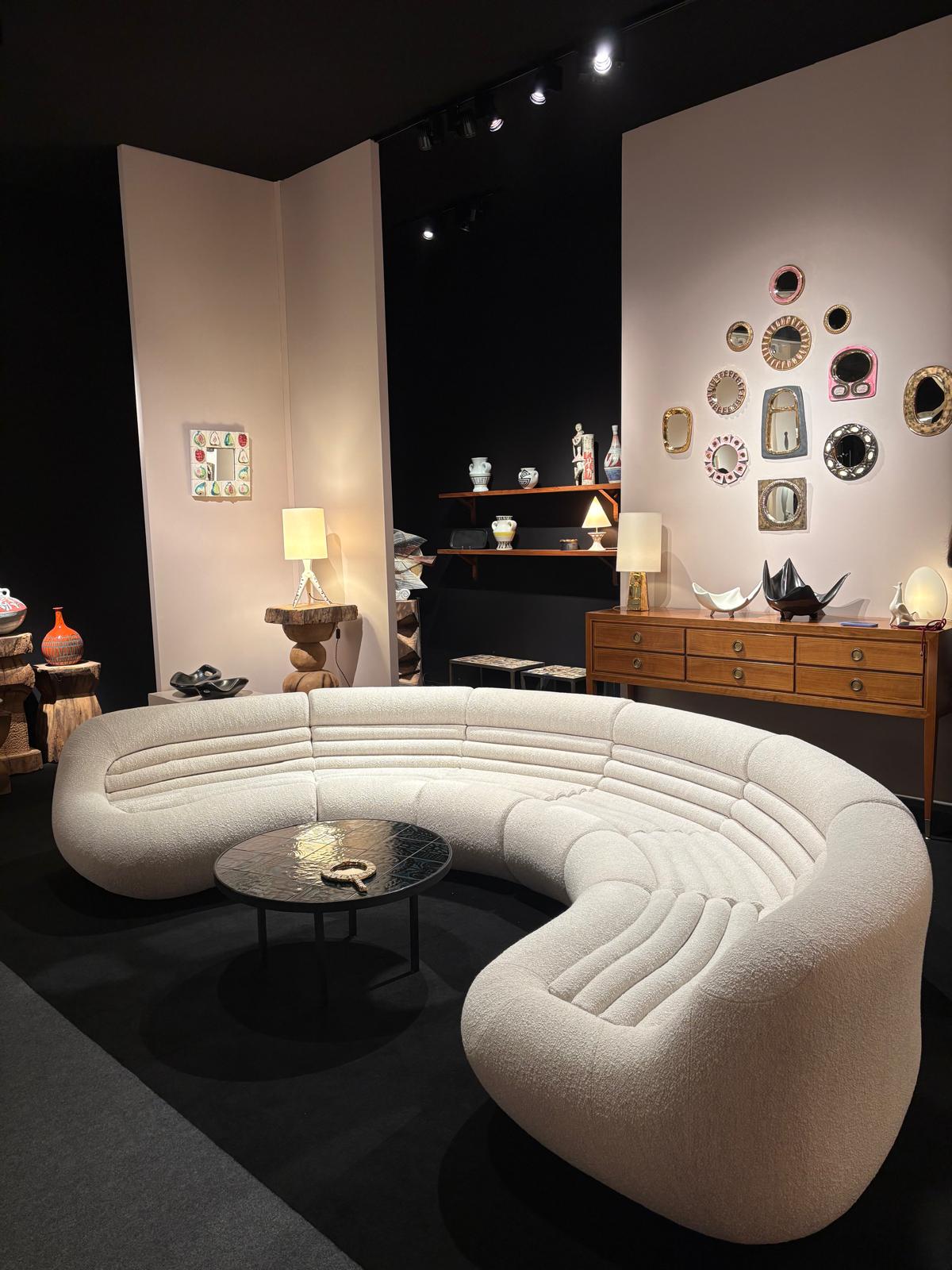
Aurelien Serre
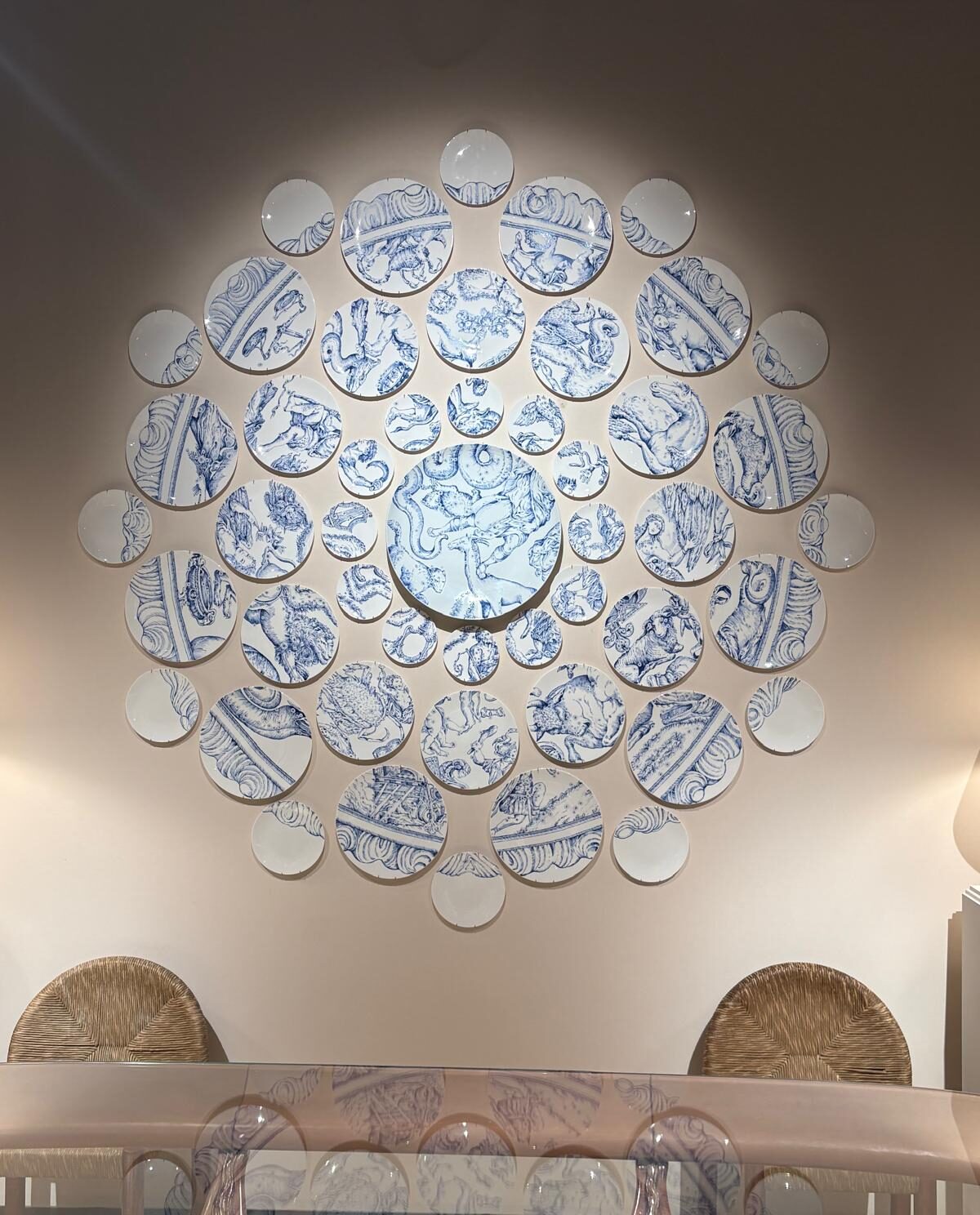
Pietro Ruffo
This layered approach mirrors the direction of high-end residential interiors by mixing vintage investment pieces with contemporary commissions, creating spaces that feel collected rather than decorated and prioritising timelessness over trend.
The Power of Female Voices and Narrative Design
Another notable curatorial thread was the prominence of female artists and designers, often presented through narrative-led installations.
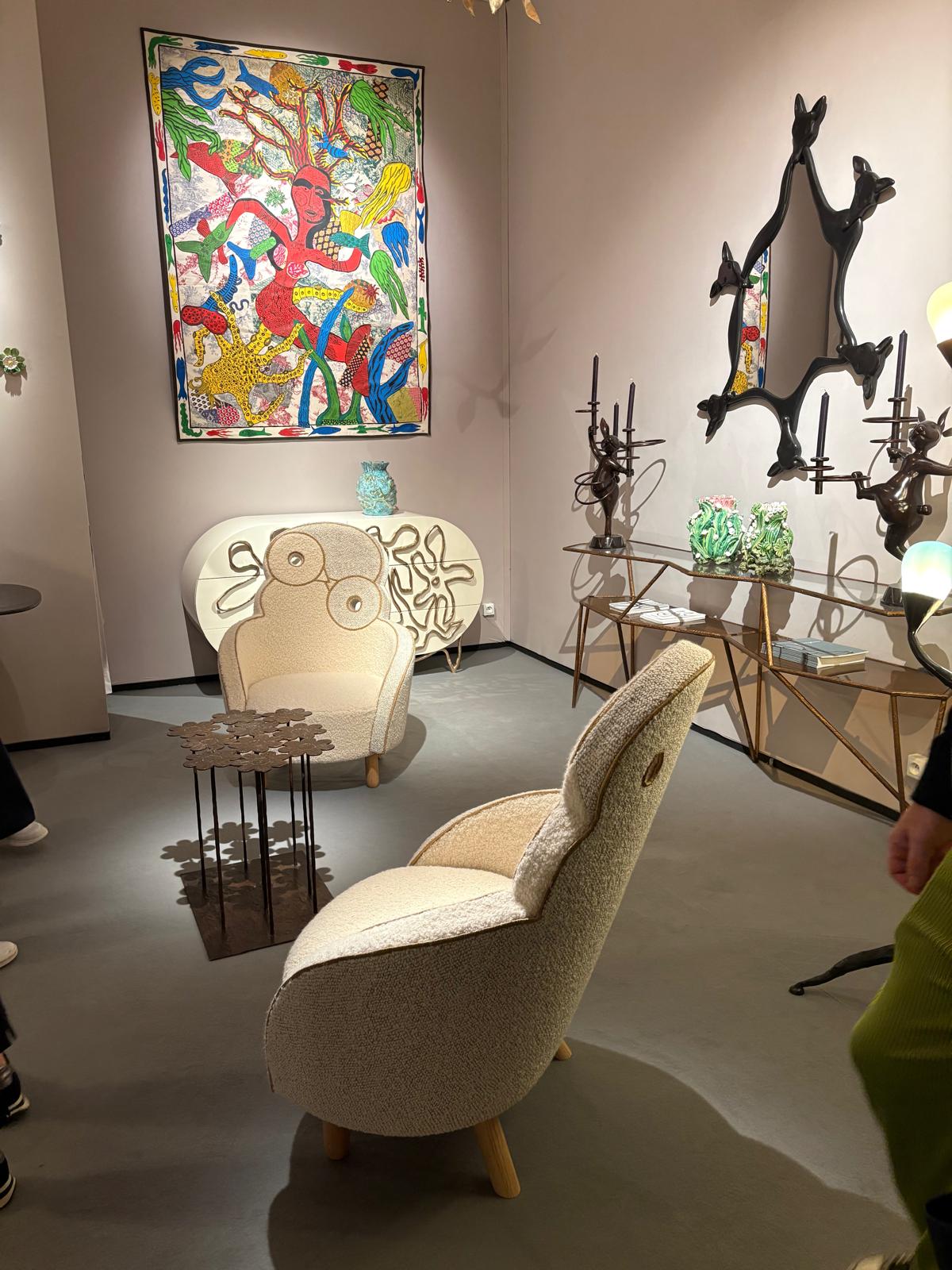
Galerie Avant-Scene
Elizabeth Garouste introduced a poetic, almost theatrical dimension to collectible design.
Elsewhere, Galerie Jean-François Cazeau highlighted works by Niki de Saint Phalle and Yayoi Kusama, exploring bold, expressive forms that challenge traditional boundaries between art and design.
For interiors, this reflects a broader shift towards storytelling through objects, more expressive, less restrained compositions, and a willingness to embrace colour, symbolism, and emotion.
Standout Exhibitors and Moments
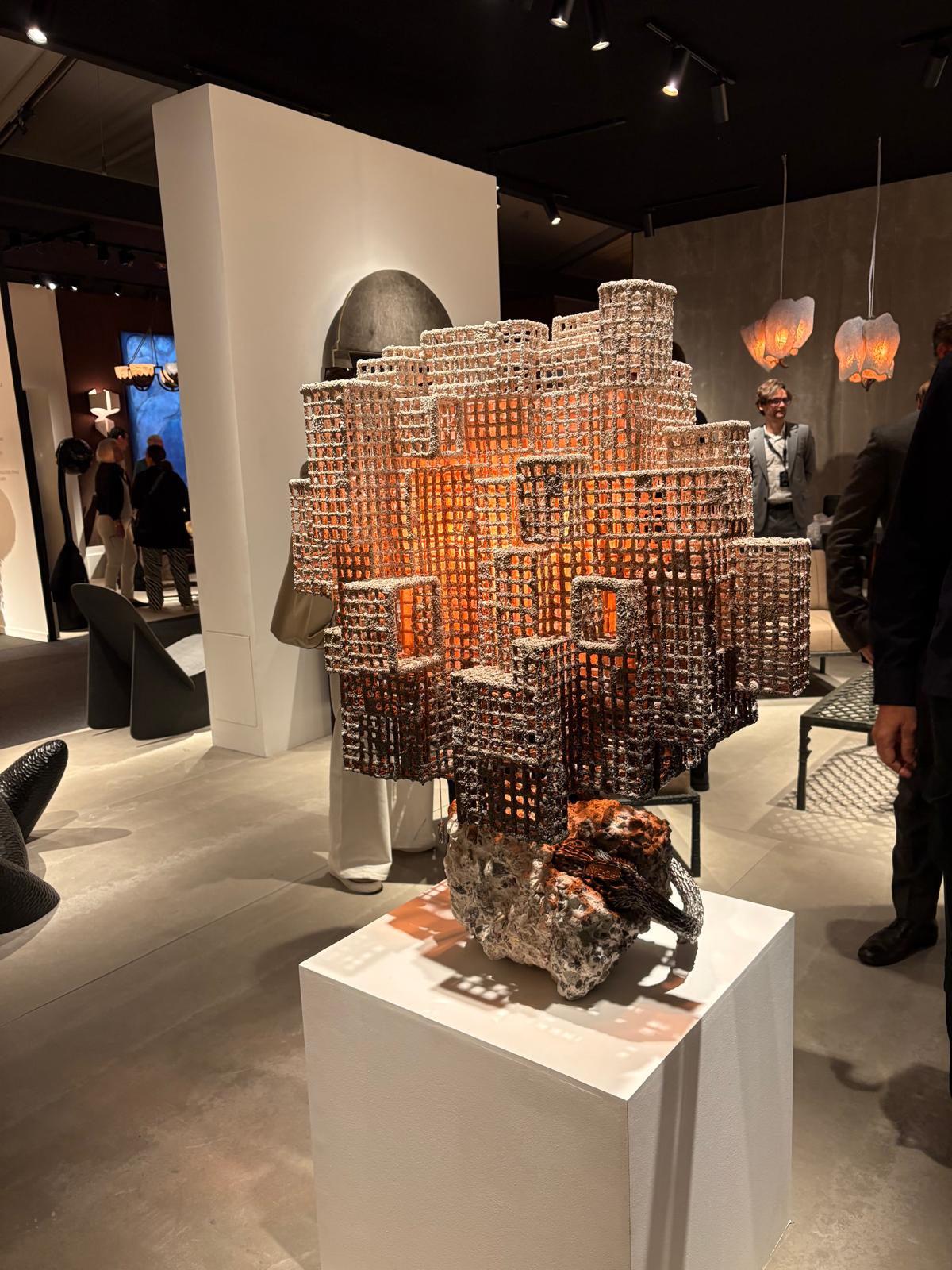
Carpenters Workshop Gallery
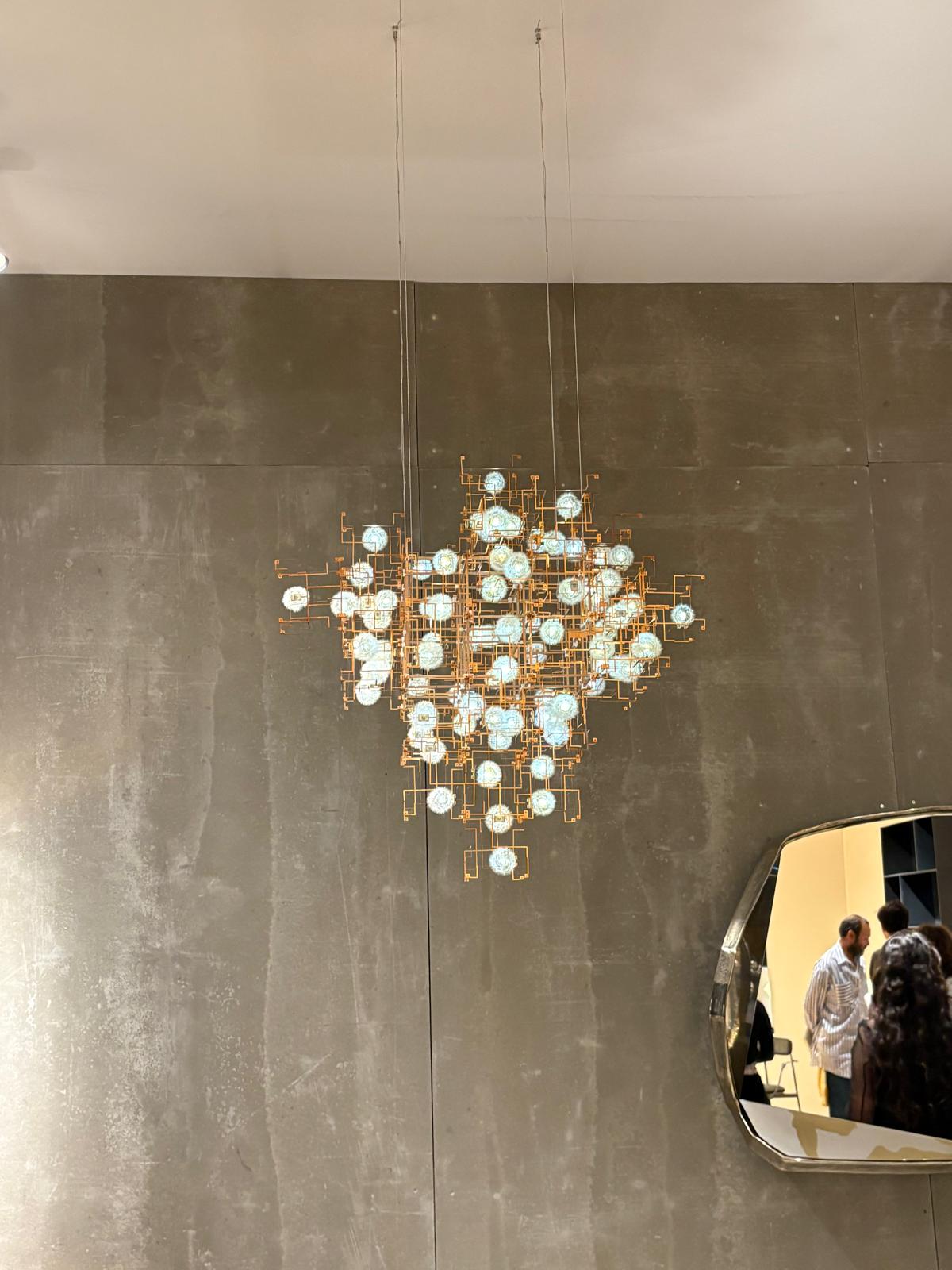
Carpenters Workshop Gallery
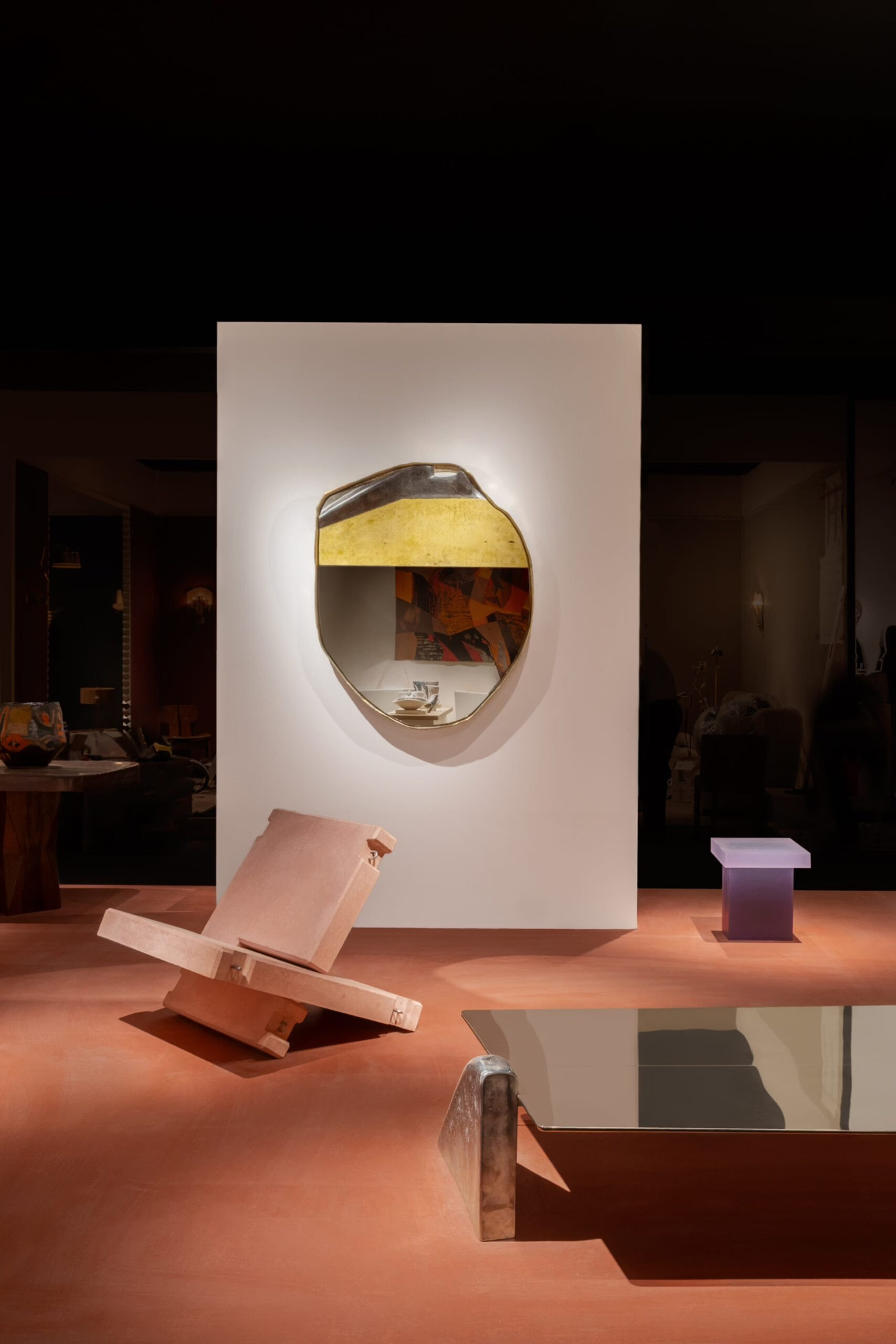
Several exhibitors drew particular attention from the press and design community.
We found Carpenters Workshop Gallery – consistently a highlight, presenting museum-quality contemporary design pieces that push material boundaries.
Amélie du Chalard – noted for a poetic tribute to Monet, translating impressionist sensibilities into contemporary design.
Atkris Studio refreshingly brought back modern vintage elements with nostalgic appreciation, with a personal approach.
The Avant-Scène Gallery showcased poetic and whimsical pieces, blending craftsmanship with genuine artistic narrative.
What This Means for Luxury Interiors
PAD Paris 2026 confirmed a clear evolution in the way we design and experience interiors is that spaces are becoming more curated – closer to private galleries than traditional homes. Furniture is increasingly collectible–chosen for its artistic and investment value. Materiality matters more than ever – with a focus on craftsmanship and authenticity, and narrative is key – clients are seeking interiors that reflect identity, not just style.
Final Thoughts
PAD Paris continues to define the future of high-end interiors—not through trends, but through cultural and artistic direction.
The 2026 edition, in particular, highlighted a more emotional, expressive approach to design—one that values individuality, craftsmanship, and the seamless integration of art into everyday living.
For luxury interior designers, the message is unmistakable:
The most compelling spaces are no longer simply designed—they are collected, curated, and deeply personal.
 |
 |
 |
 |
 |
 |
 |
 |