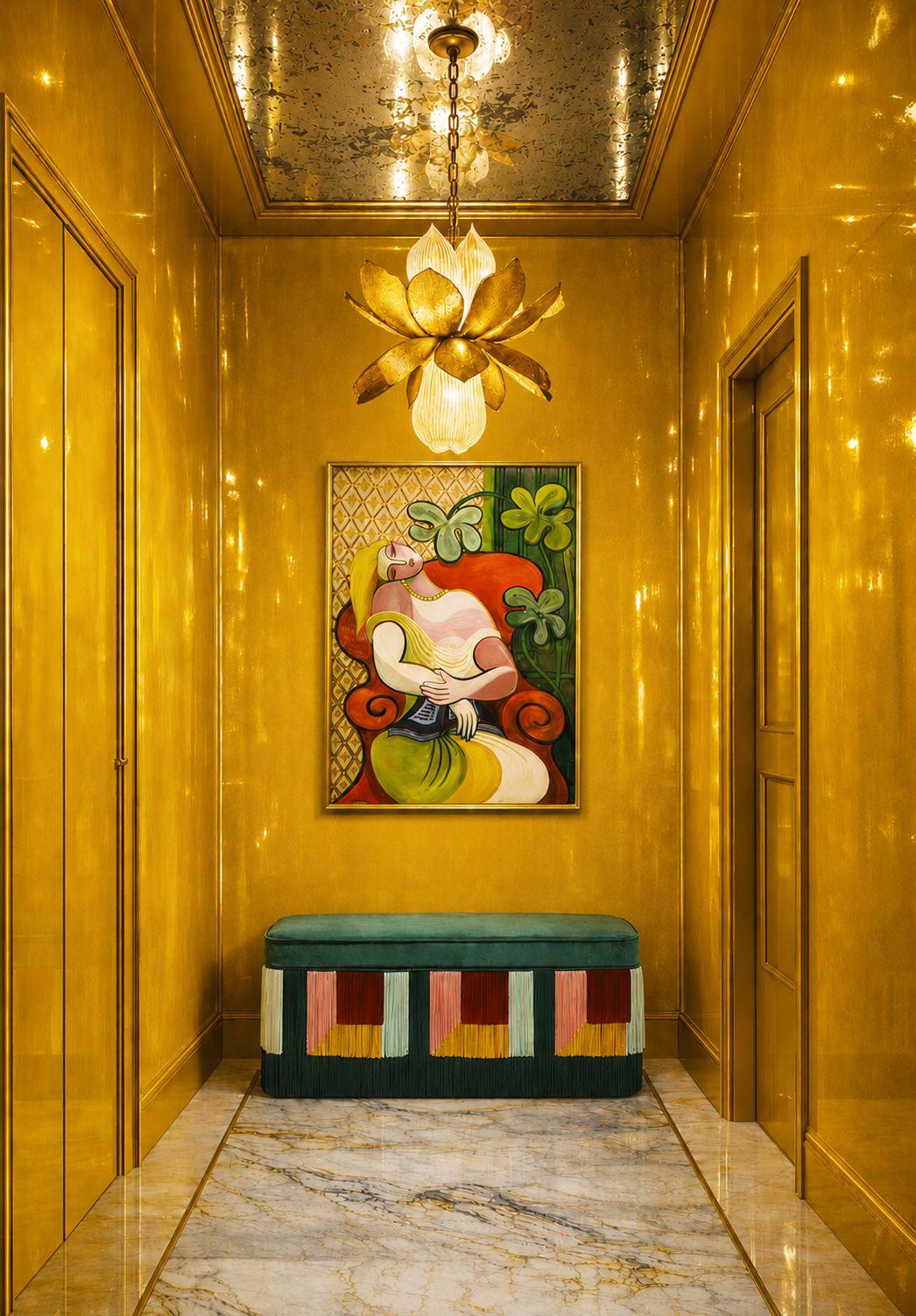
Redefining Luxury on the Upper East Side: Inside Manhattan's Most Considered New Residences
The Upper East Side has long set the standard for residential living in New York. Defined by architectural distinction, cultural gravitas, and an enduring sense of place, it remains one of Manhattan’s most coveted addresses.
A new generation of residential developments is quietly extending that legacy. Rather than pursuing spectacle, the most compelling projects prioritise proportion, craftsmanship, and permanence, reflecting a broader shift towards homes that feel deeply considered rather than overtly designed.
Among them is the new Robert A.M Stern building at 255 East 77th , where we are currently designing two residences. The project offers a revealing insight into contemporary expectations. Increasingly, clients seek interiors that are tailored rather than prescribed, shaped by personal collections, international perspectives, and the rhythms of everyday life.
The most successful homes are rarely those that make the strongest first impression. Instead, they reveal themselves gradually through carefully calibrated spaces, exceptional materials, and a quiet confidence that resists fashion. Bespoke joinery, artisanal craftsmanship, and thoughtfully sourced furnishings bring depth and character without demanding attention.
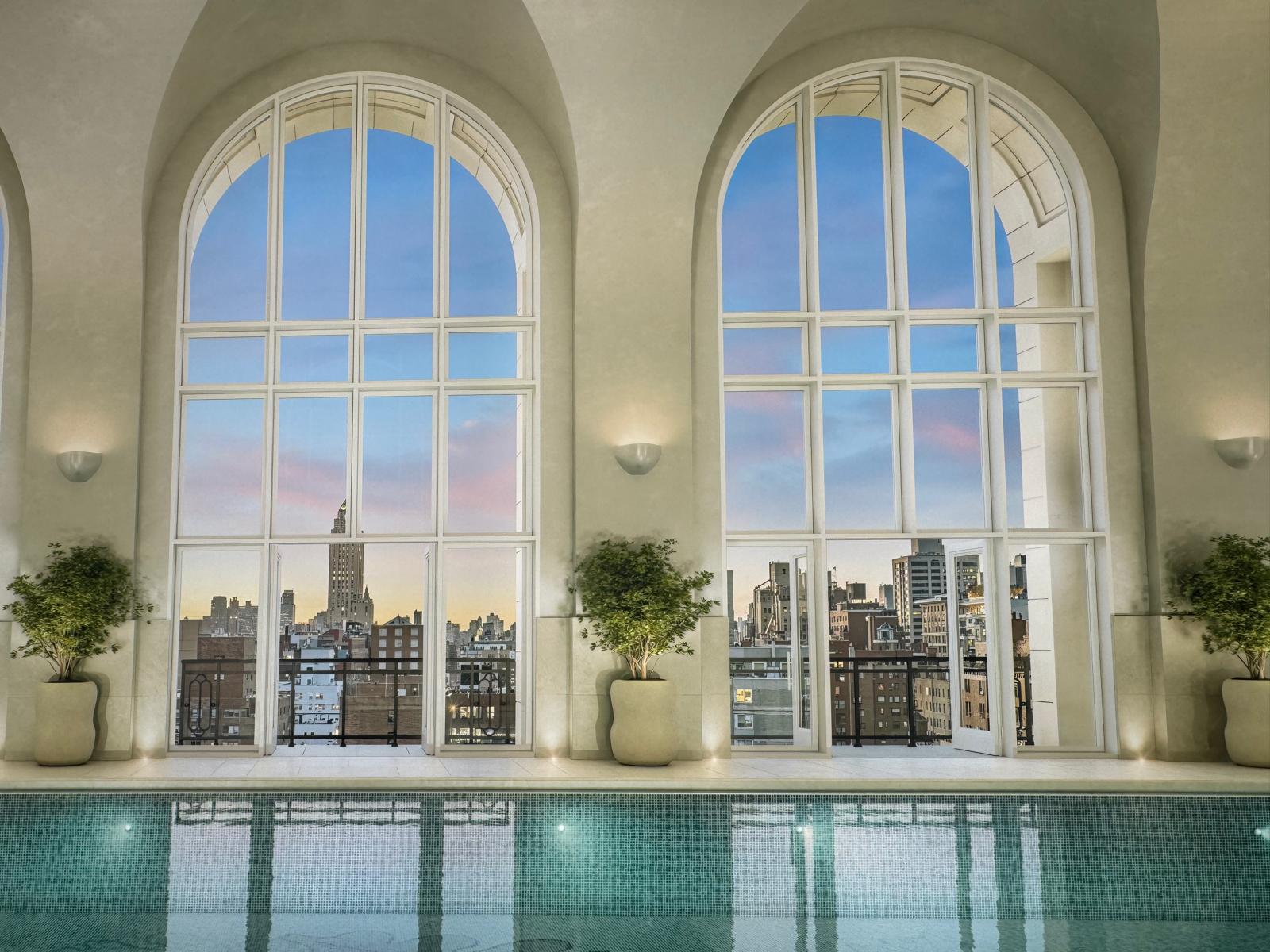 Skyline views from the pool area in the Robert A.M Stern
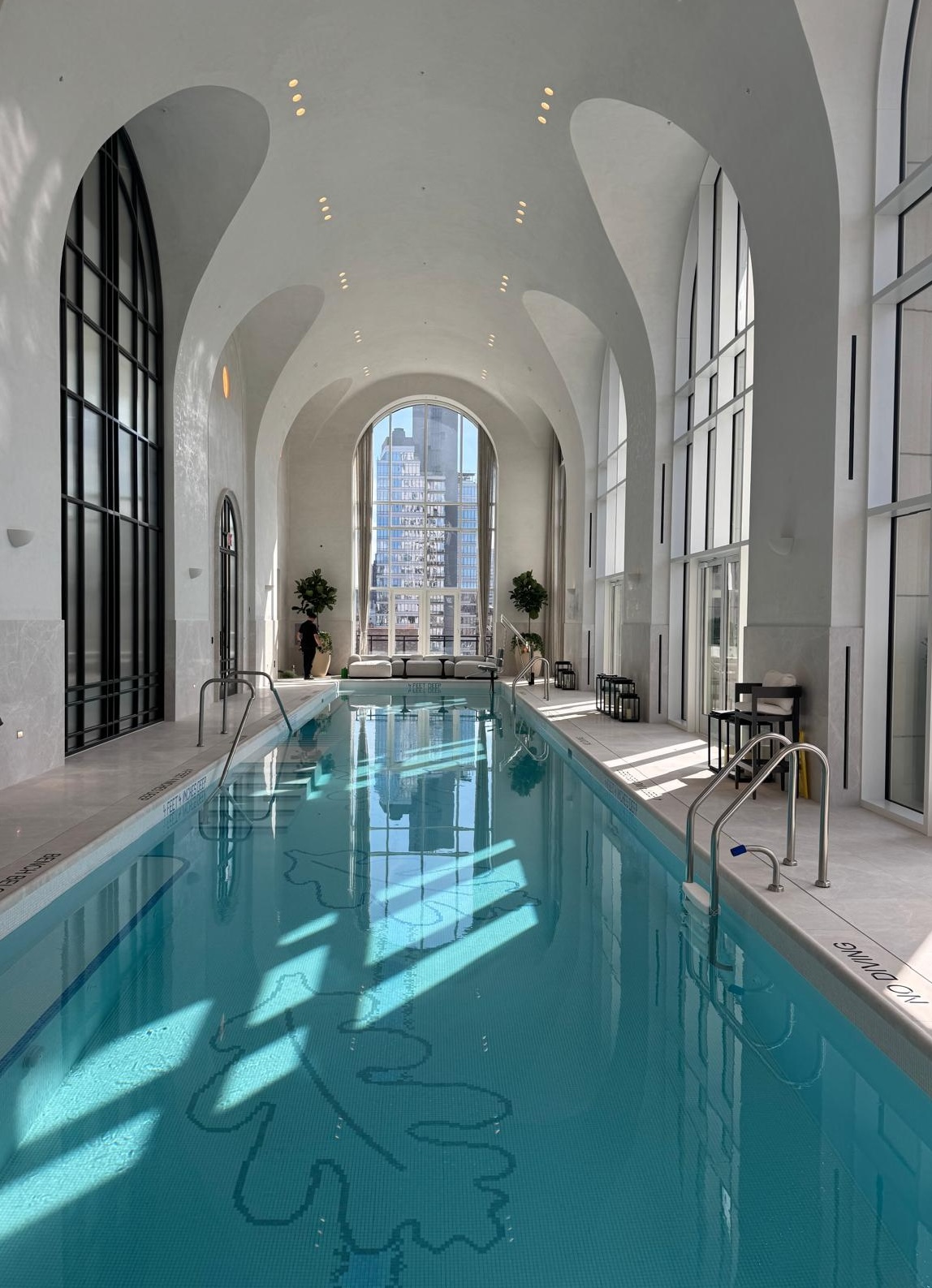 The pool area inside the new Robert A.M. Stern residence.
Many of today’s homeowners divide their time between New York, London, Paris, or the South of France, bringing with them a discerning appreciation for quality and authenticity. The resulting interiors feel layered and individual, informed as much by architecture and art as by contemporary living.
This is where the Upper East Side continues to distinguish itself. While the city evolves around it, the neighbourhood remains committed to a rarer ideal: homes designed not for the moment, but for the long term. In that respect, true luxury lies not in excess, but in permanence, craftsmanship, and a profound sense of belonging.
Lessons from the Kips Bay Decorator Show House
Each year, the Kips Bay Decorator Show House offers a glimpse into the evolving language of residential design for Manhattan residences. Beyond its moments of theatricality, it often reveals the ideas that endure.
Recent editions have signaled a move towards interiors that feel more layered, tactile, and personal. Rich materials, artisanal craftsmanship, and a renewed appreciation for decoration are replacing the restraint that has defined much of the past decade. Statement lighting continues to play a central role, serving as both sculpture and atmosphere, while an emphasis on longevity has brought renewed attention to enduring materials and thoughtful sourcing.
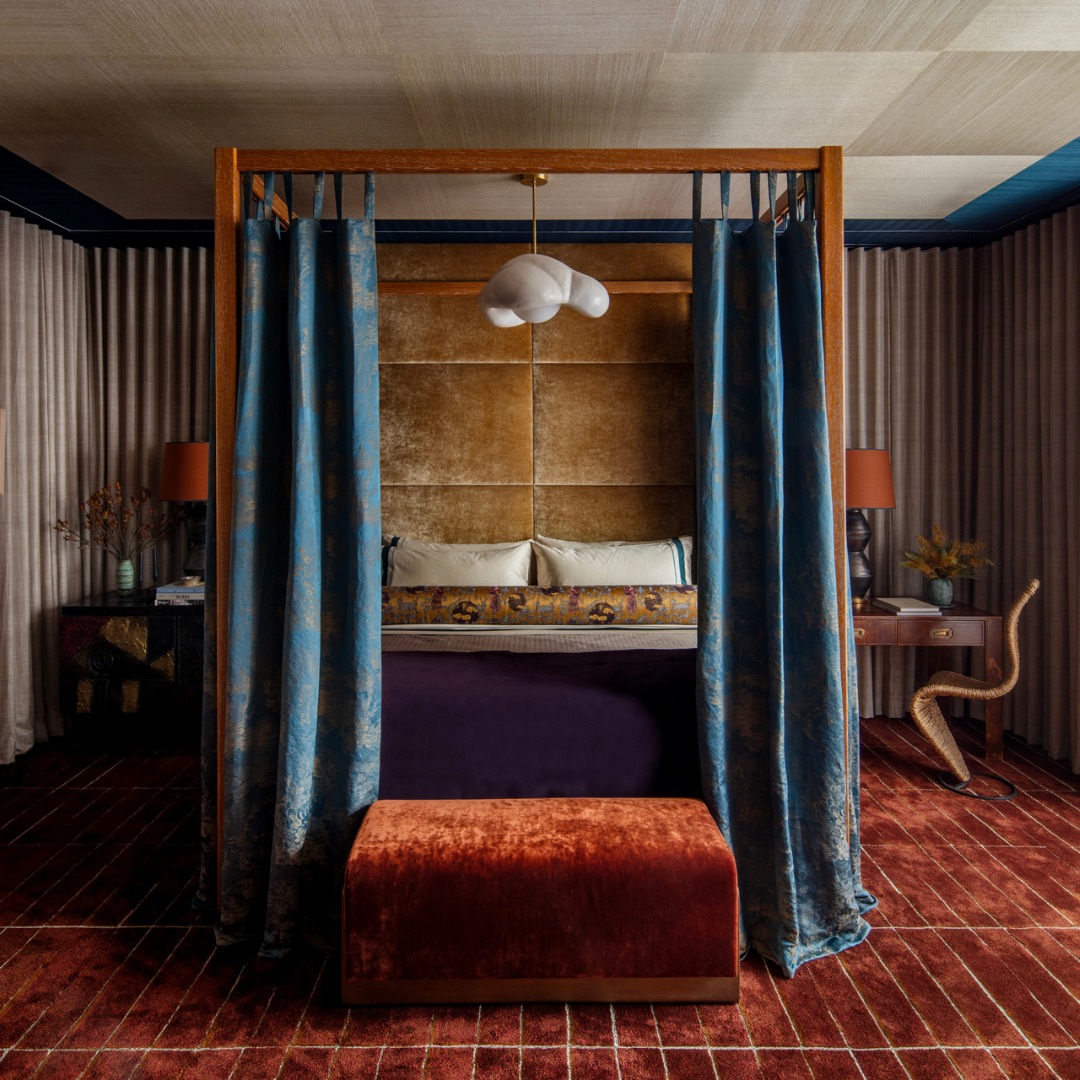 "The New Connoisseur" by David Hicks at Kips Bay New York. Image by Nick Johnson
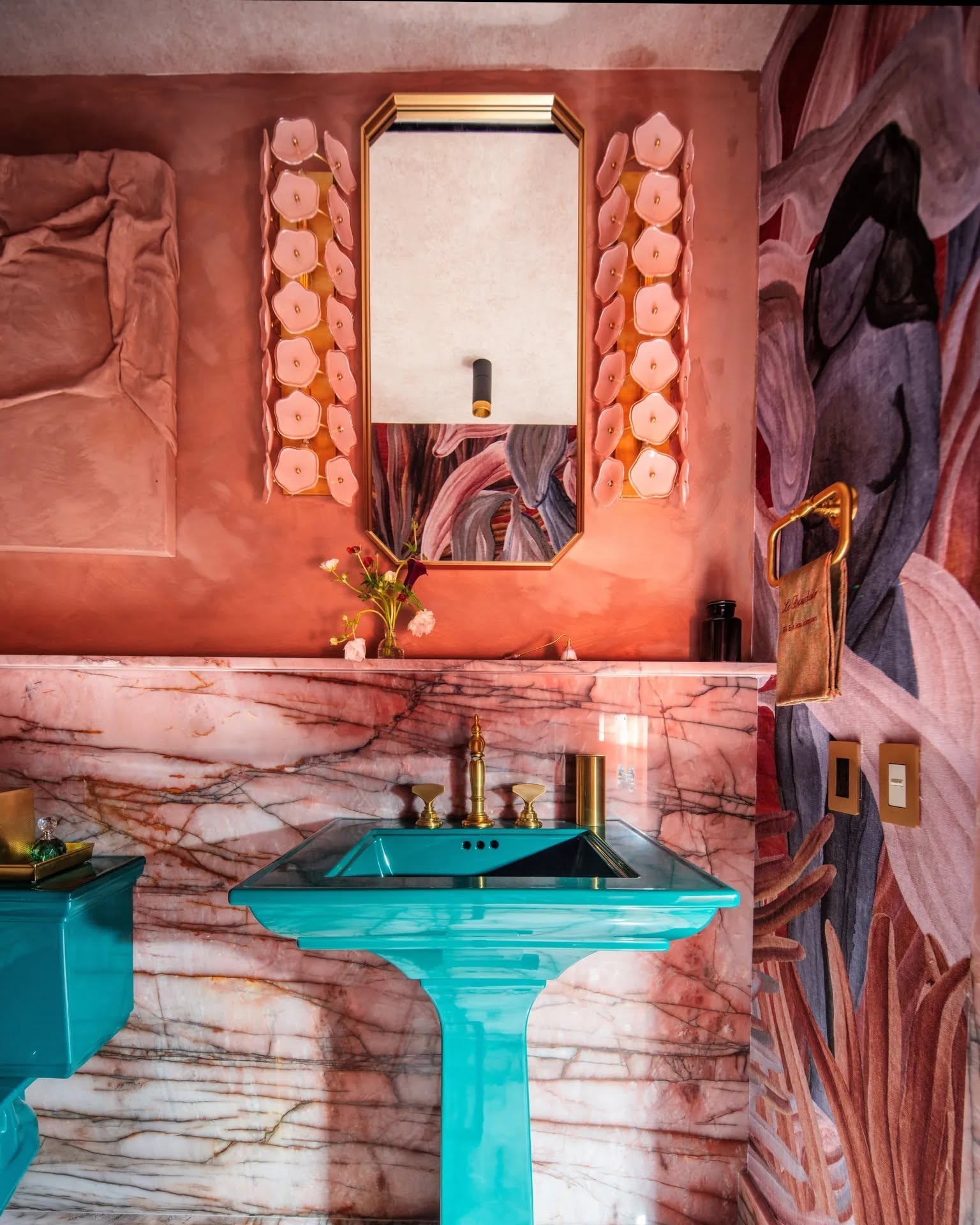 "Le Boudoir" by Eve Jean Interiors at Kips Bay New York. Image by Nick Johnson.
Perhaps most notably, there is a growing preference for individuality over convention. The most compelling spaces are those with a distinct point of view, shaped by art, craftsmanship, and the lives of their occupants rather than prevailing trends.
The relevance for private residences lies not in replication, but interpretation. The most successful homes borrow selectively, translating expressive ideas into environments that feel both deeply personal and quietly timeless. And as Kips Bay revealed, some of them borrowing from European influences, even in their name.
How European Design Principles Are Shaping Manhattan’s Most Elegant Interiors
Among Manhattan’s most refined interiors, a European sensibility is increasingly evident. Not as a decorative style, but as an approach grounded in craftsmanship, materiality, and a respect for architecture.
The influence of Parisian apartments and London townhouses can be seen in interiors that favour proportion over spectacle and permanence over trend. Bespoke millwork, hand-finished surfaces, natural stone, and artisan-made furnishings introduce a depth that rewards close attention rather than immediate impact.
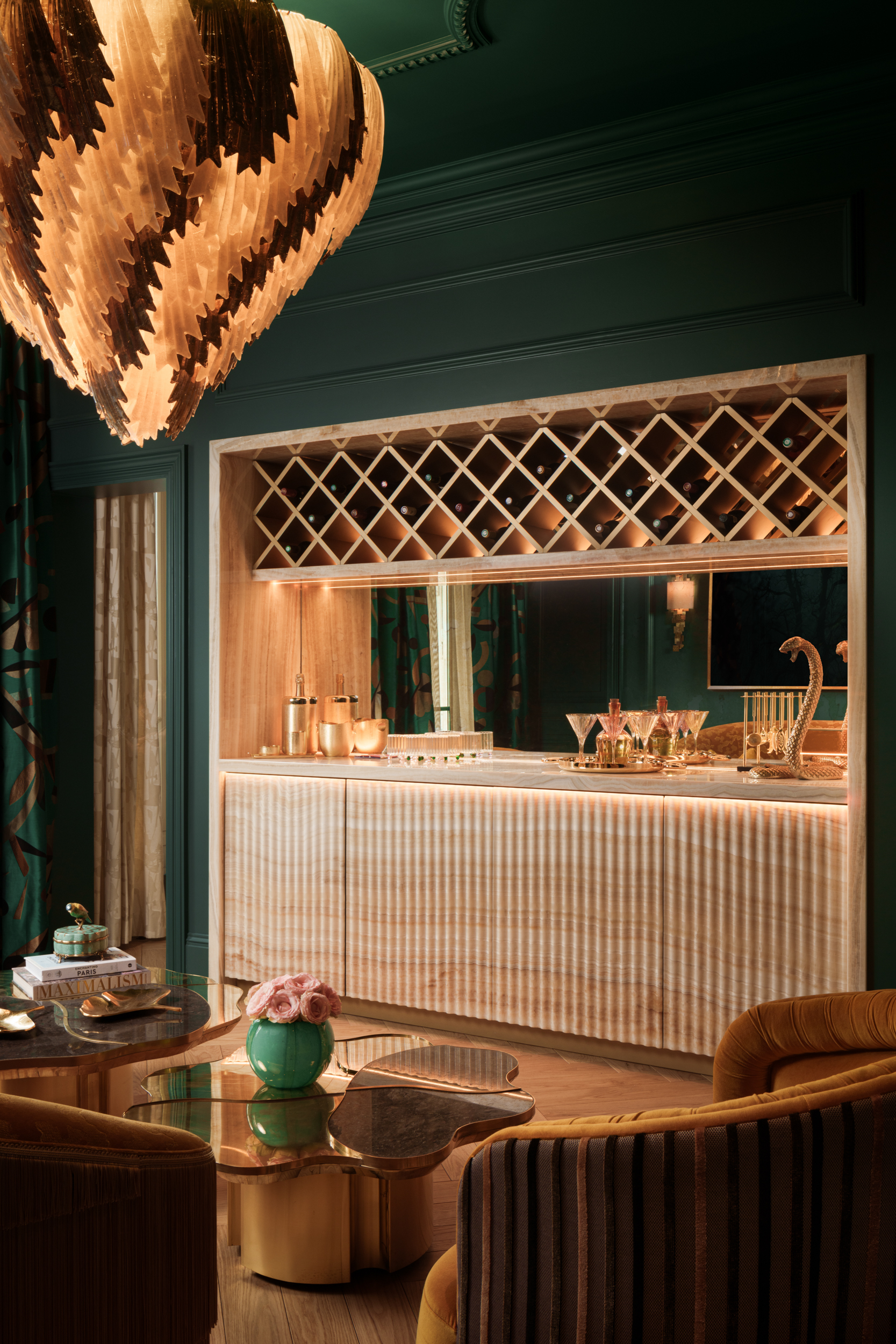 Wine lounge from our Paris residential project in front of the Eiffel Tower.
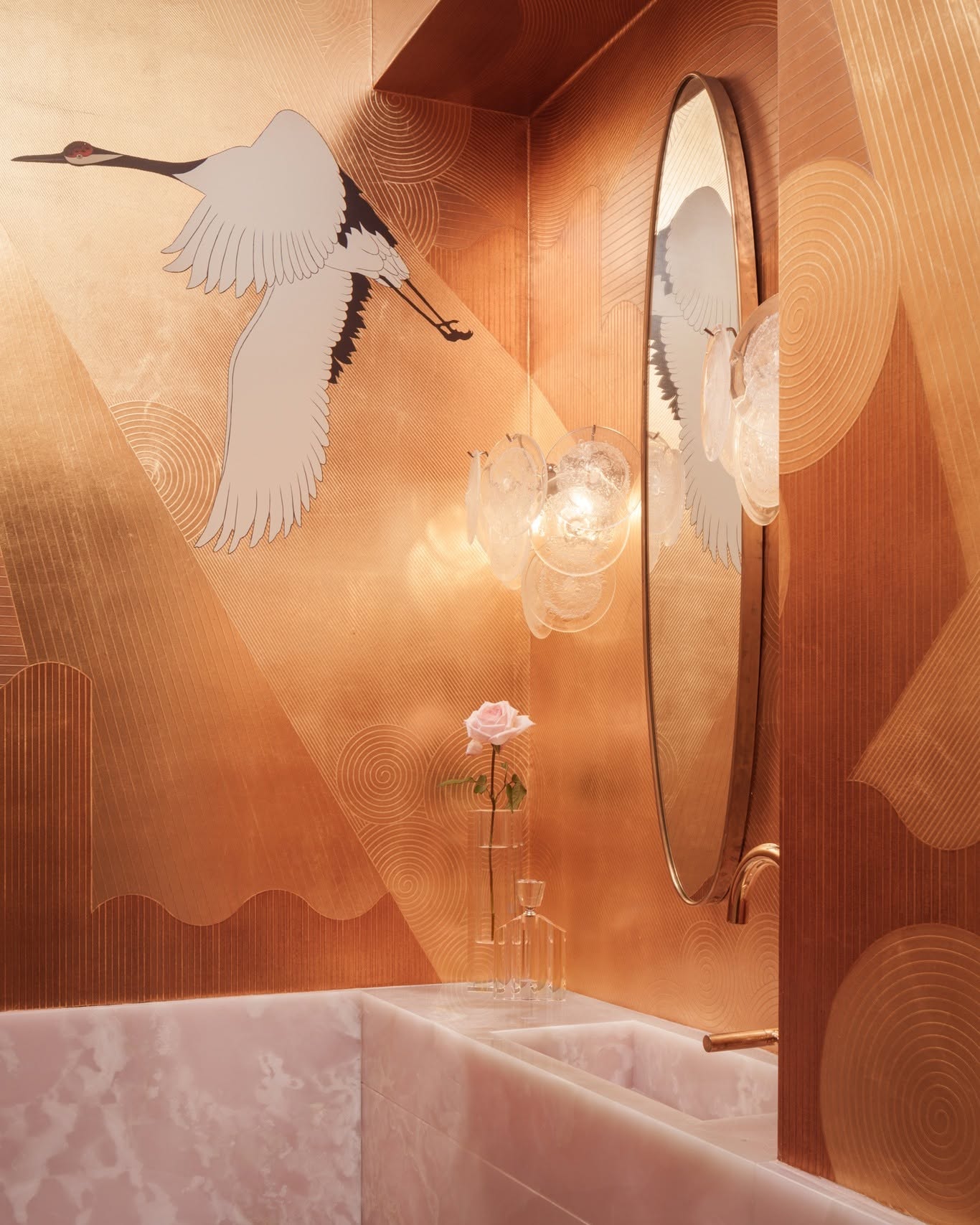 Powder room from our recently completed project in Paris.
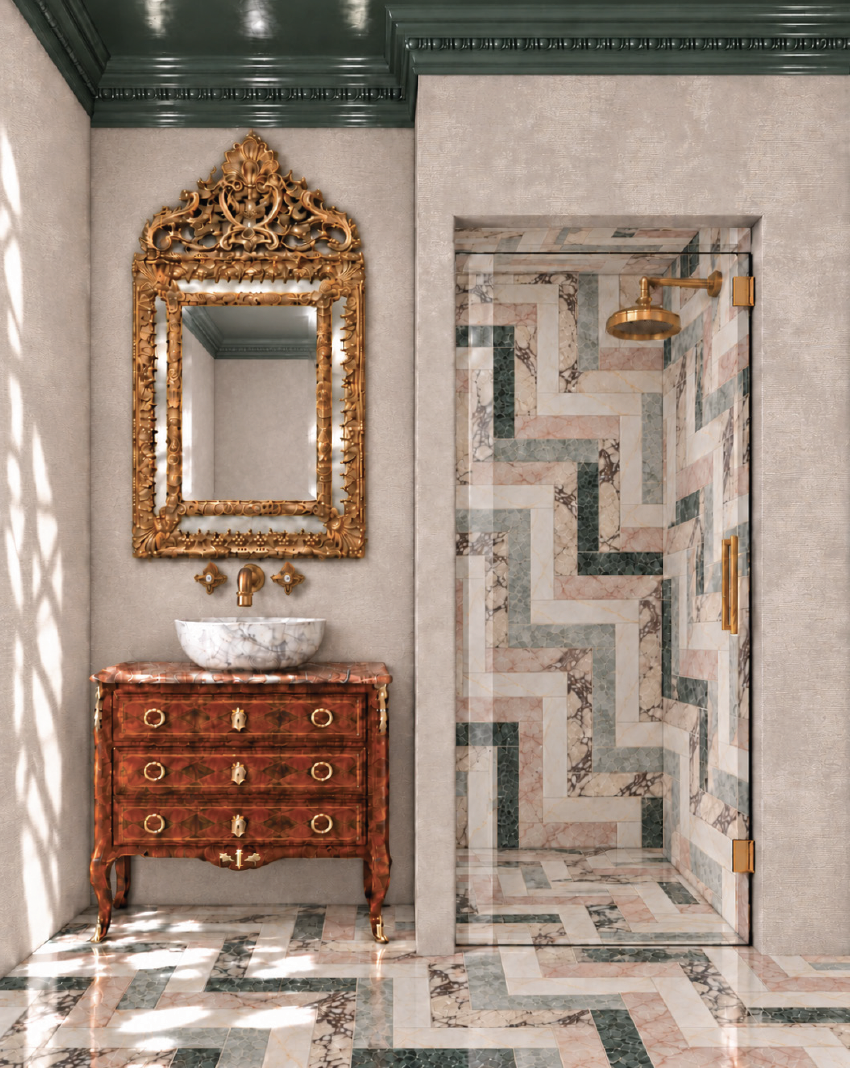 Guest bathroom concept design for a current Belle Epoque project on the Cote d'Azur in Nice.
There is also a renewed appreciation for rooms that feel curated and collected over time. Contemporary pieces sit comfortably alongside antiques, art, and commissioned works, creating interiors with a greater sense of individuality and cultural context.
This perspective is increasingly shaping Manhattan residences, including our current work within The Stone on the Upper East Side. While each project responds to its own setting, there is a shared emphasis on restraint, craftsmanship, and longevity.
Perhaps that is the enduring appeal of European design. It reminds us that the most timeless interiors are not defined by what is current, but by what remains relevant, revealing a unique personal story behind it.
 |
 |
 |
 |
 |
 |
 |
 |