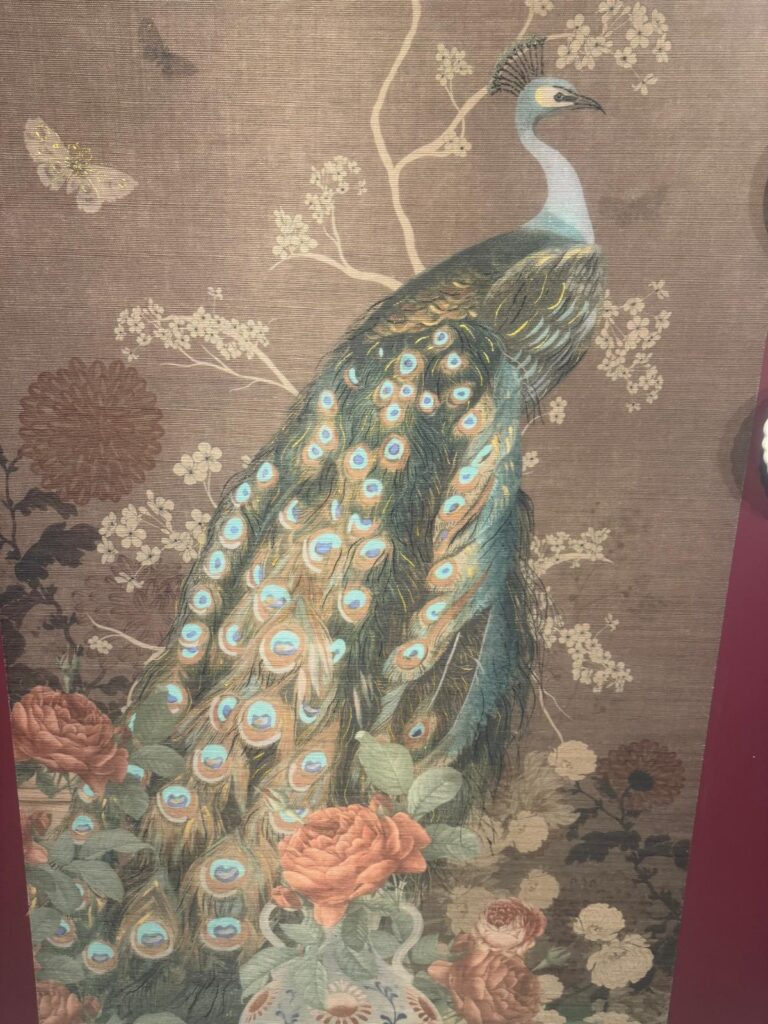
The Rise of Quiet Confidence at London Design Week 2026
March 27, 2026
In an industry often driven by novelty and visual impact, London Design Week 2026 marked a notable shift. This year, the prevailing mood was not one of bold statements or fleeting trends, but something more nuanced: quiet confidence.
It is a tone that feels deliberate. Measured. Assured.
After several years shaped by global uncertainty, supply chain disruption, and rapidly changing consumer priorities, the design world appears to have recalibrated. At Chelsea Harbour, the message is clear—luxury is no longer about excess. It is about endurance, intention, and depth.
A Move Away from the Ephemeral
The most striking aspect of this year’s showcases is what’s missing: urgency. Gone is the pressure to constantly reinvent or chase the next visual moment.
Instead, designers are turning toward timeless materials and enduring forms. Natural stone, solid woods, linen, wool, and hand-finished metals dominate collections. These are materials chosen not for seasonal relevance, but for how they age—how they patinate, soften, and evolve.
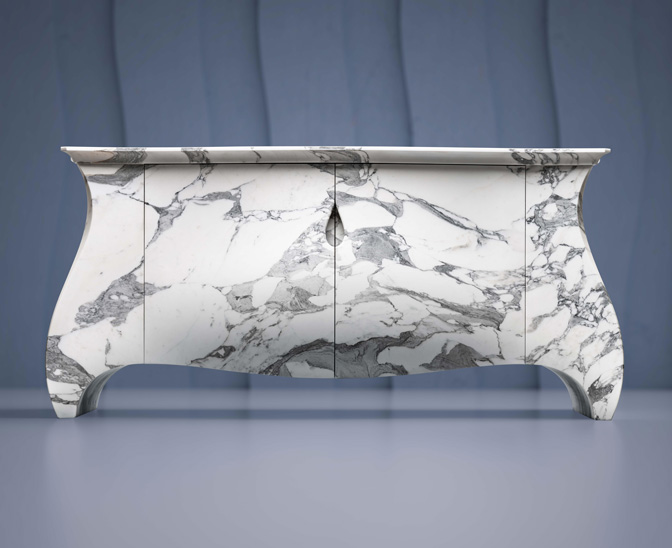
Marble Cabinet by Ian Knapper.
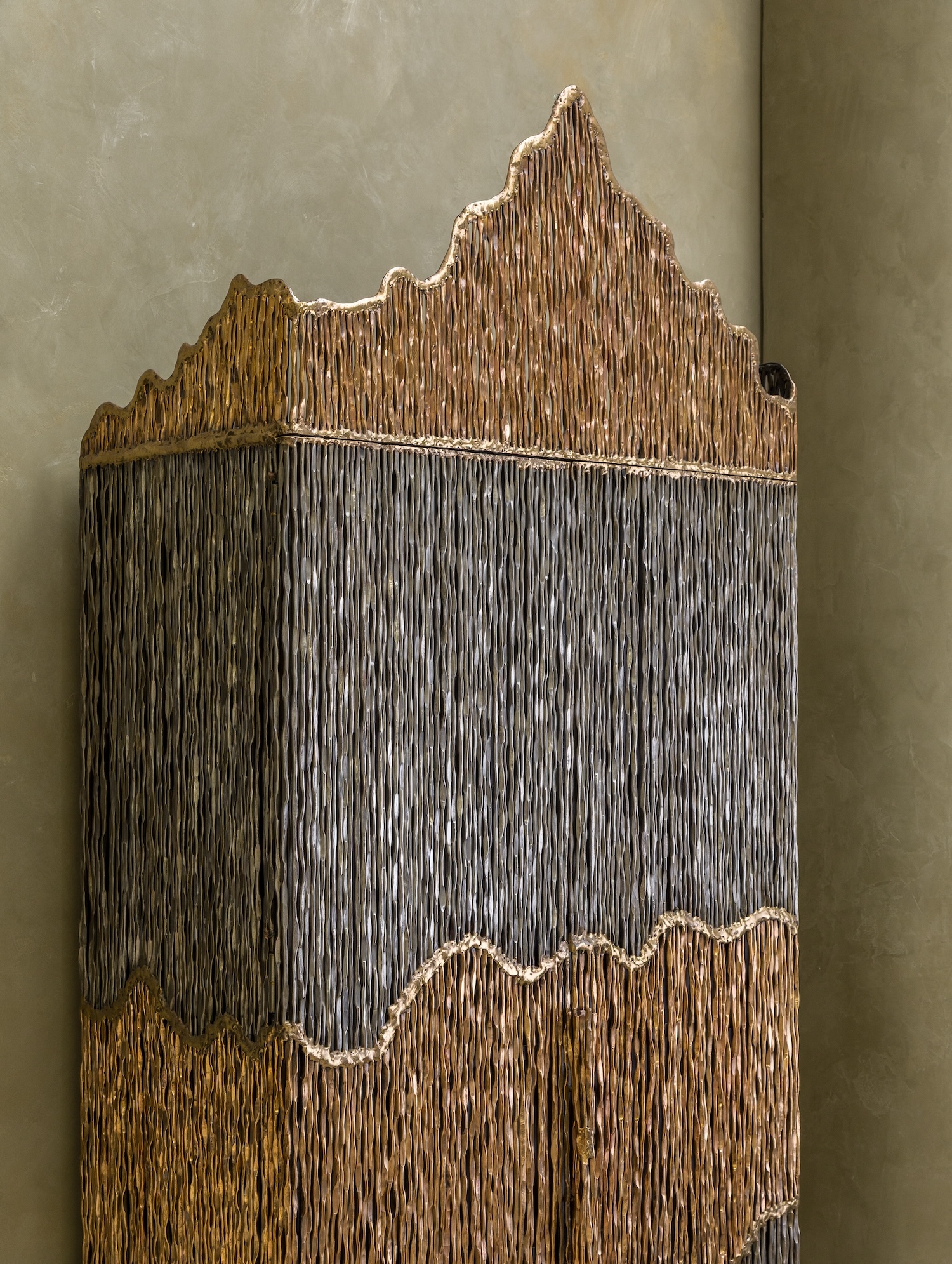
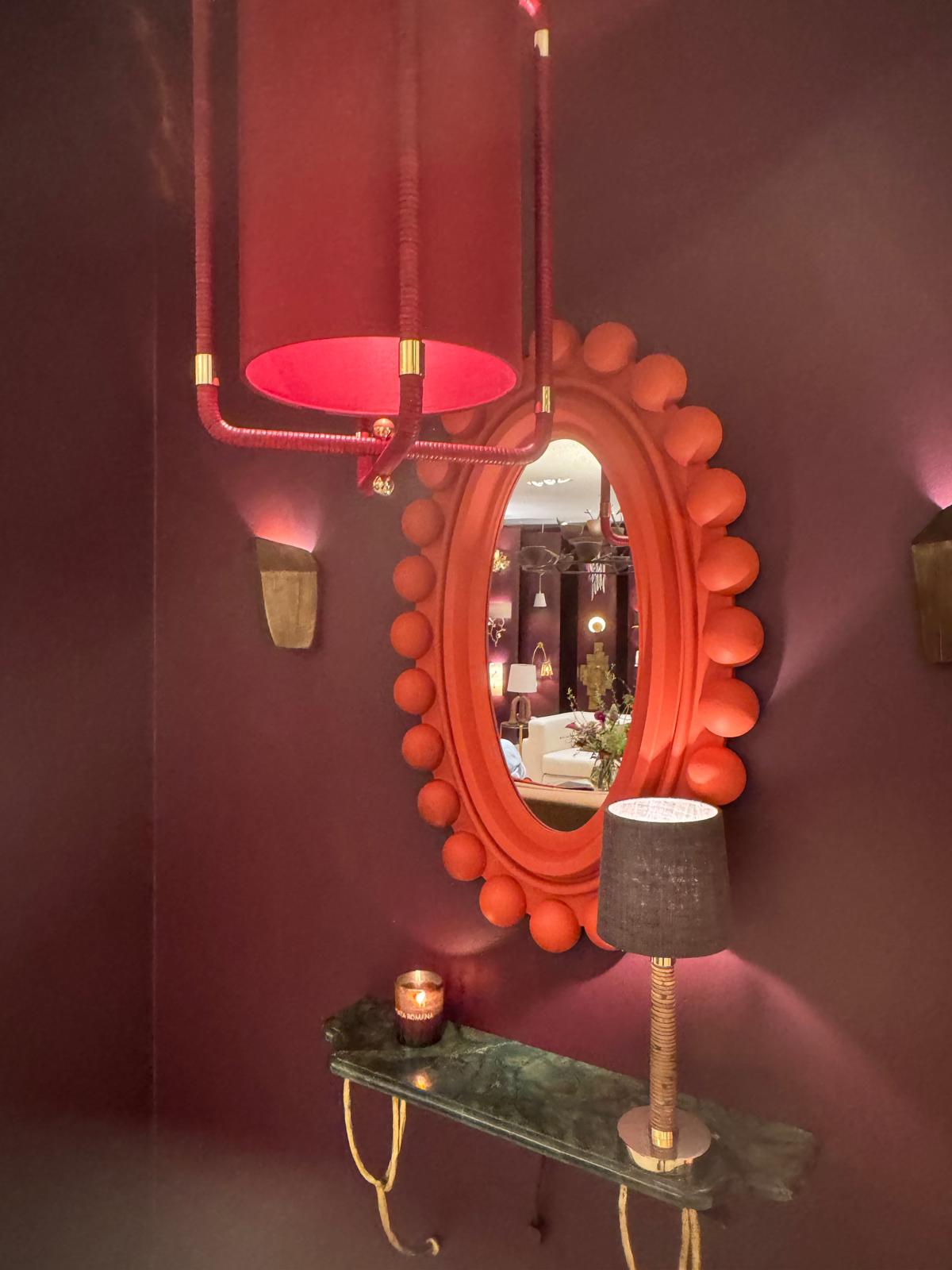
Design that is built not just to impress, but to last.
In many ways, it signals a quiet rejection of fast design culture. Interiors are no longer conceived as interchangeable backdrops, but as long-term environments with permanence and identity.
Interiors as Narratives, Not Statements
Beyond materials, there is a clear shift in how spaces are composed. Rather than singular, high-impact gestures, designers are embracing layered, narrative-driven interiors.
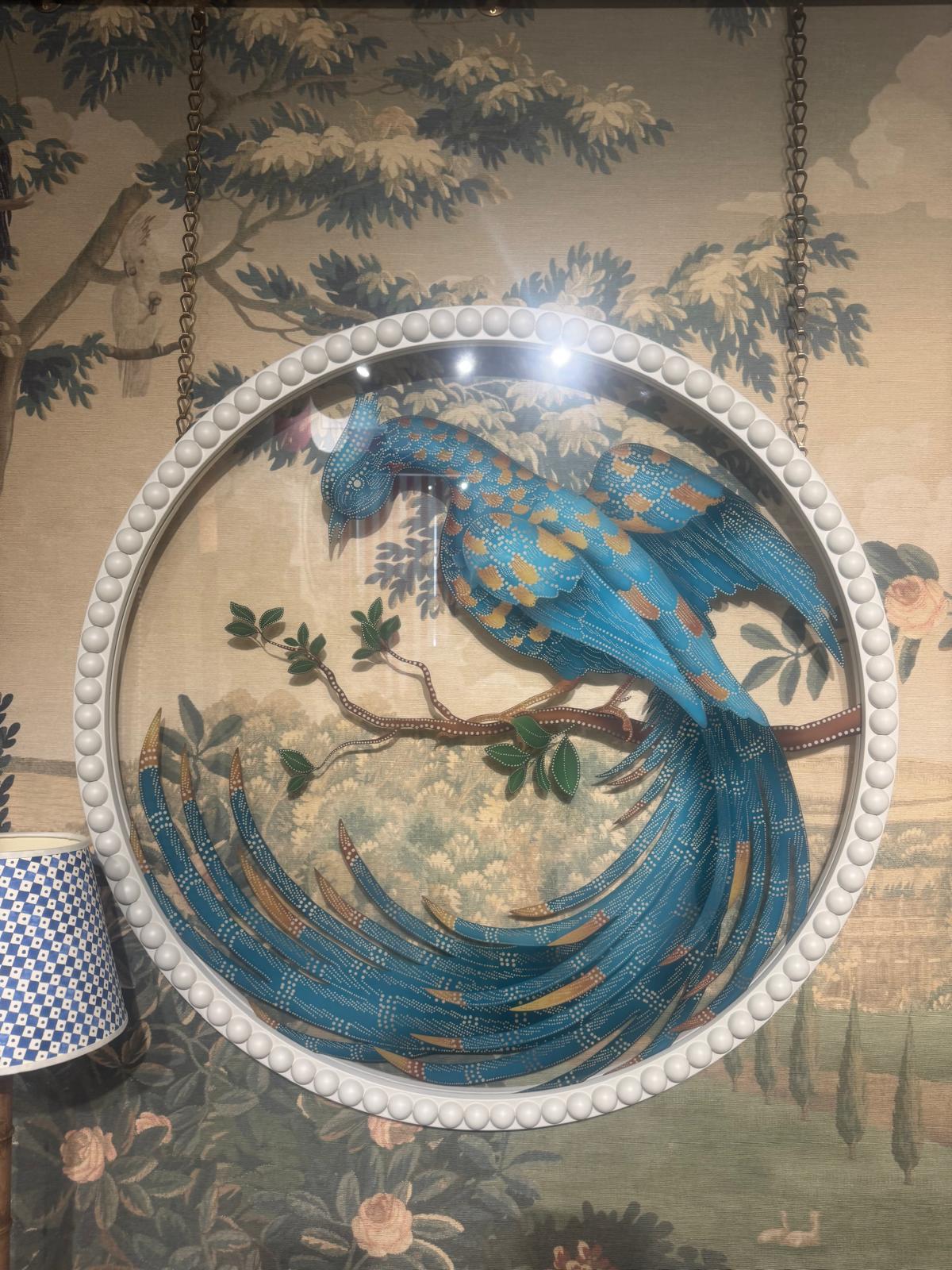
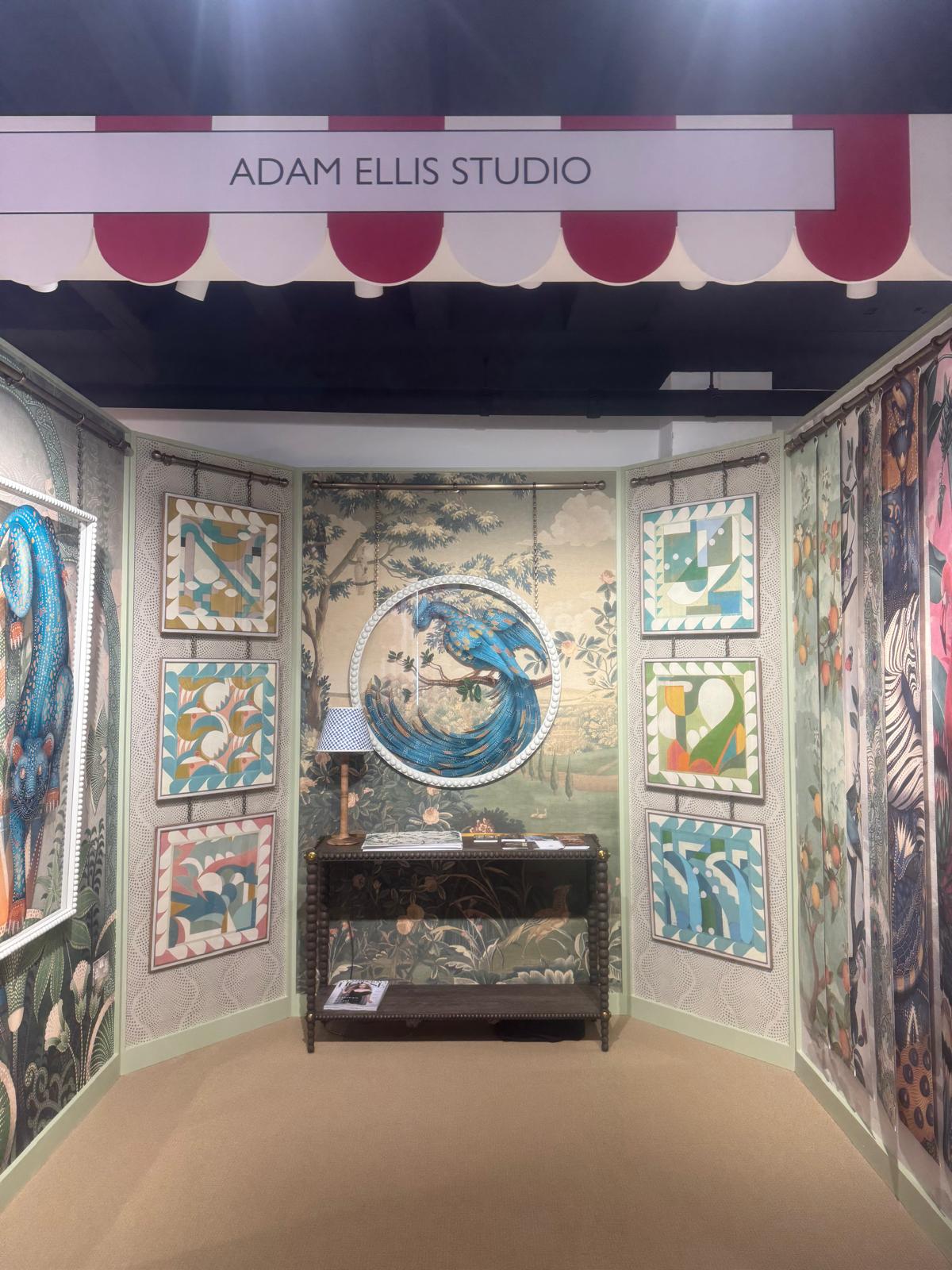
Rooms feel curated over time rather than installed all at once. Textures overlap. Eras blend. Pieces carry a sense of origin—whether through craftsmanship, provenance, or subtle imperfection.
The effect is less about visual perfection and more about emotional resonance.
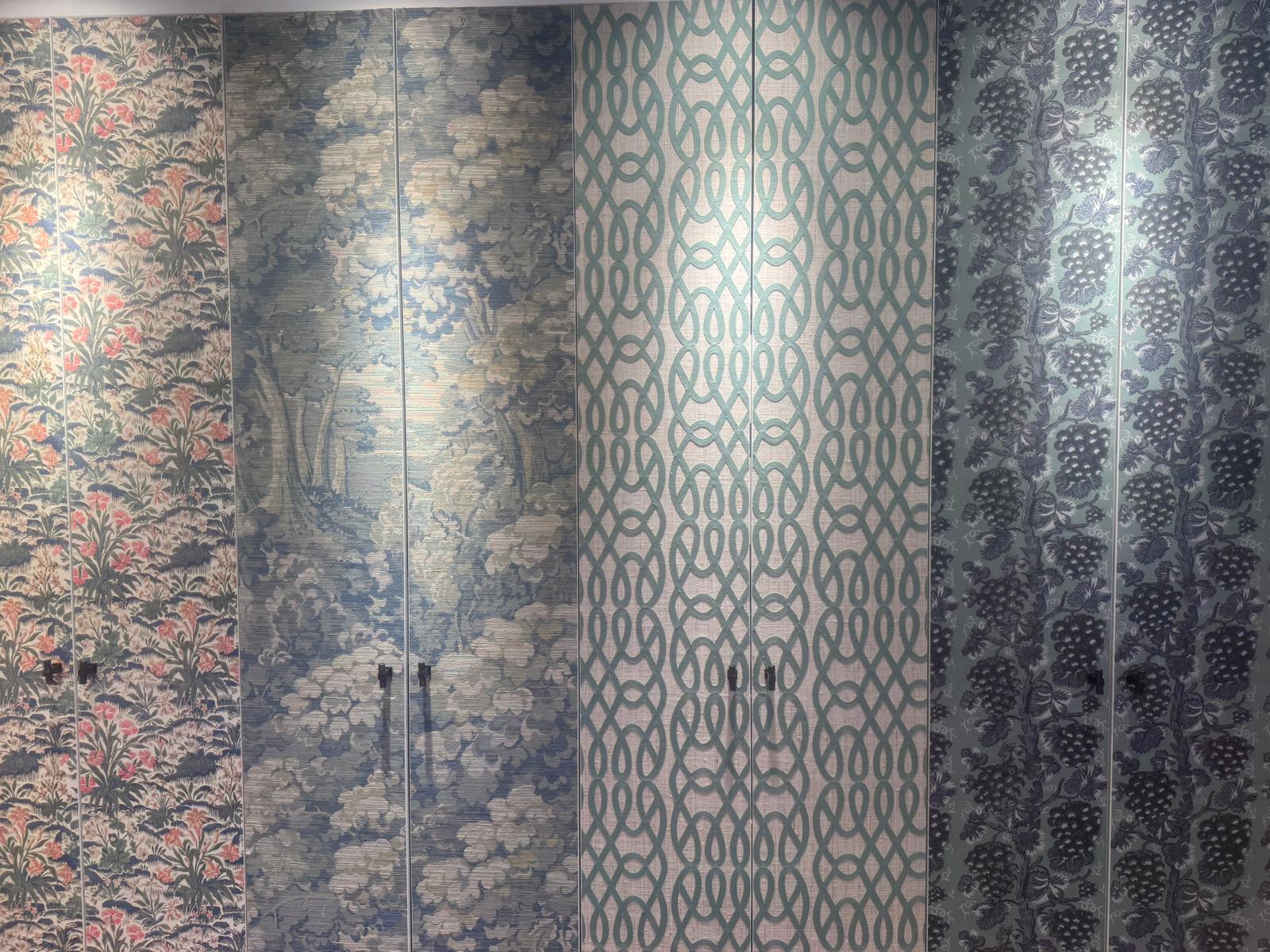
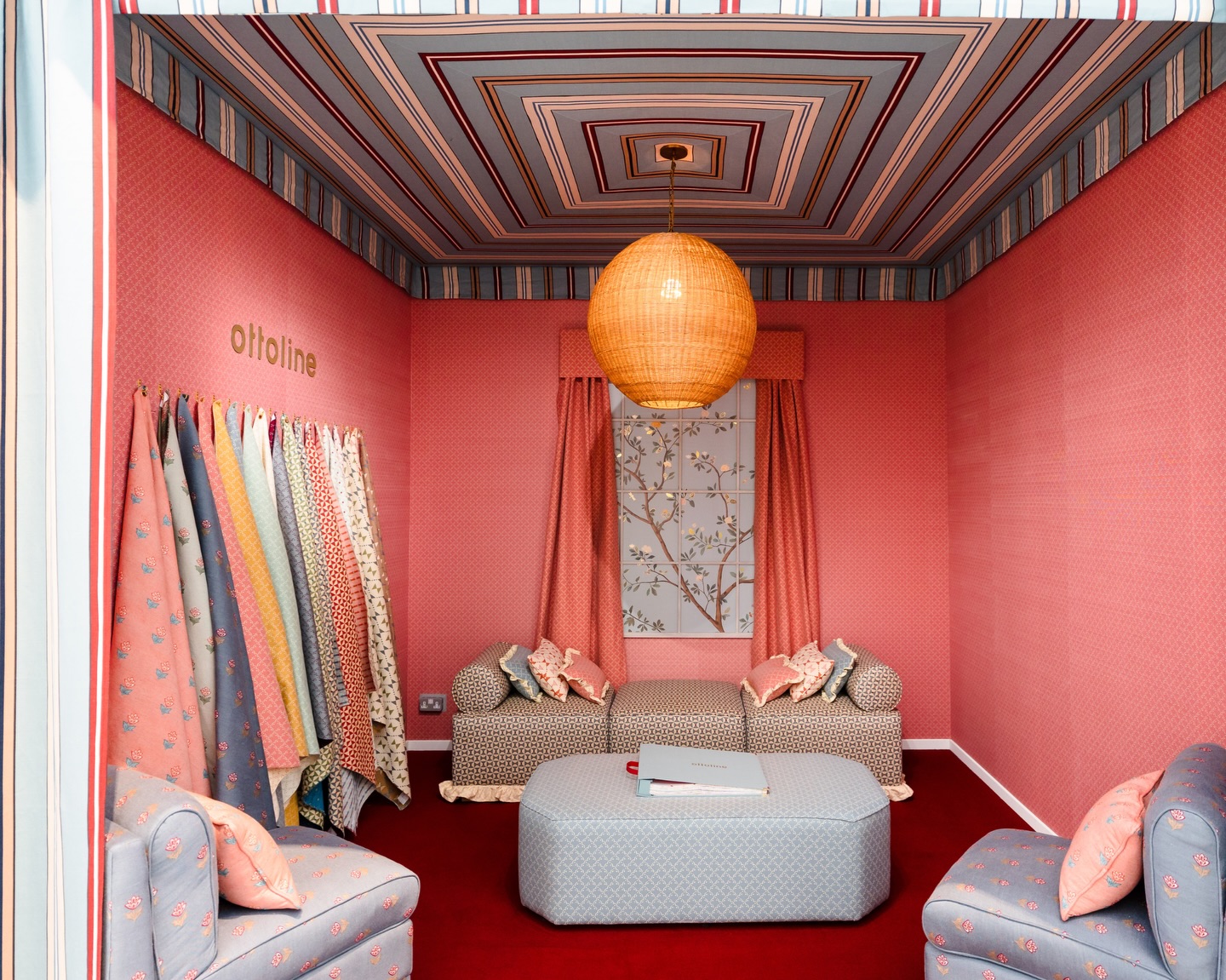
These are interiors that invite you to stay, to notice, to experience. They suggest a slower way of living—one where design unfolds gradually rather than revealing itself instantly.
The Return of Craft
At the heart of this quiet confidence is a renewed emphasis on craft-led production and heritage techniques.
Across showrooms, there is a visible respect for process. Handwoven textiles with irregularities that signal authenticity, furniture shaped by traditional joinery rather than industrial shortcuts, and finishes that highlight the maker’s hand rather than conceal it.
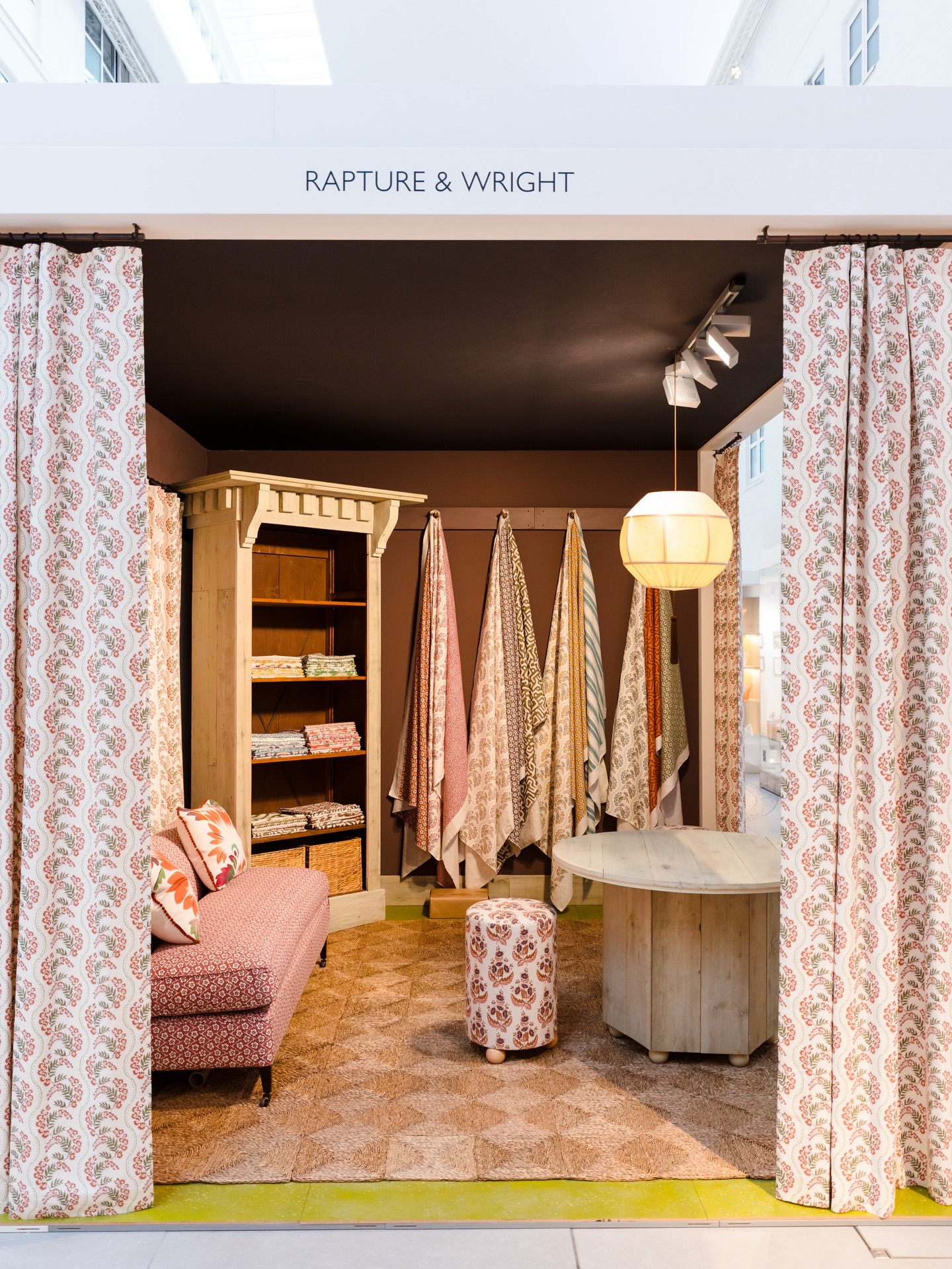
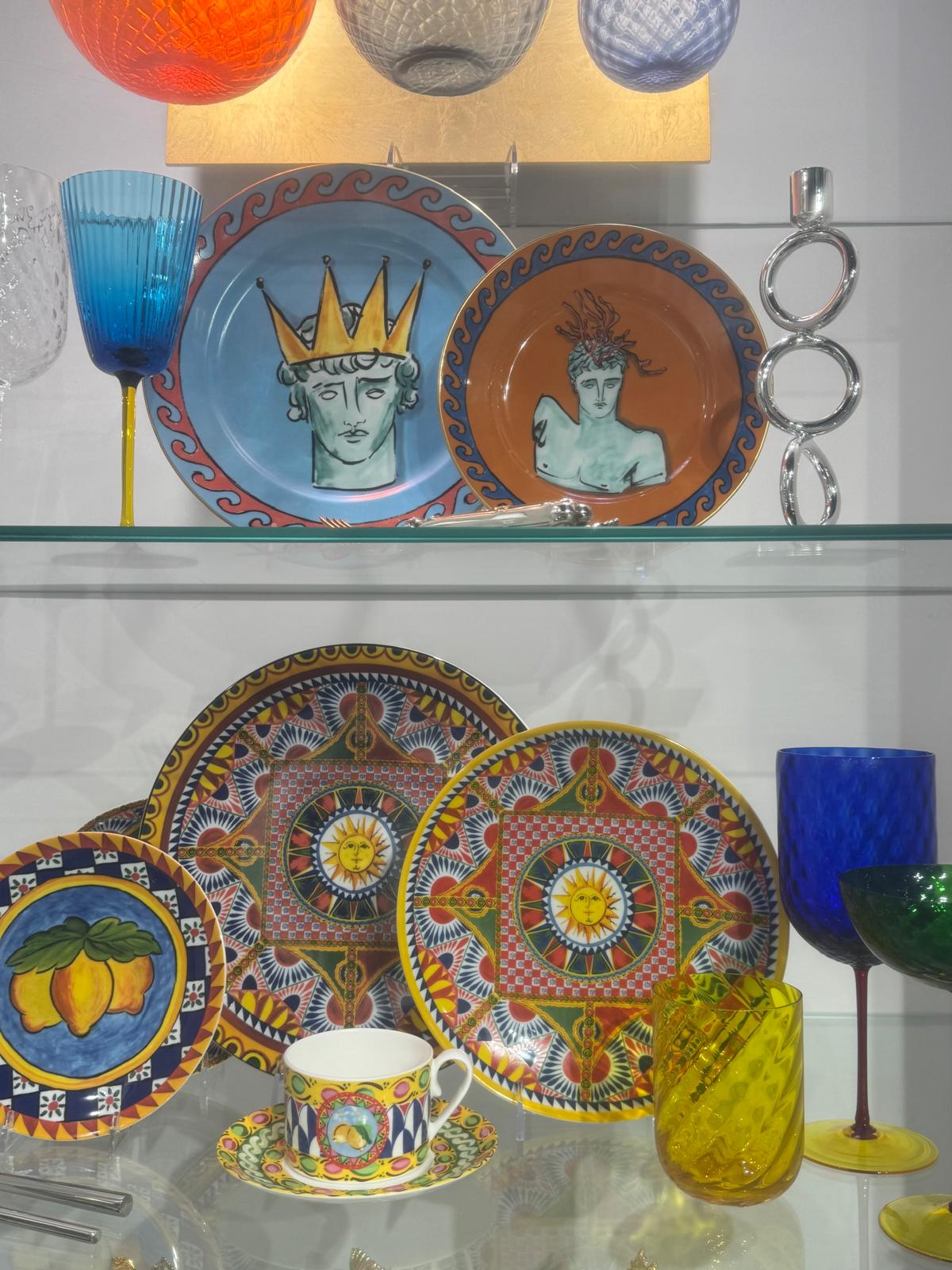
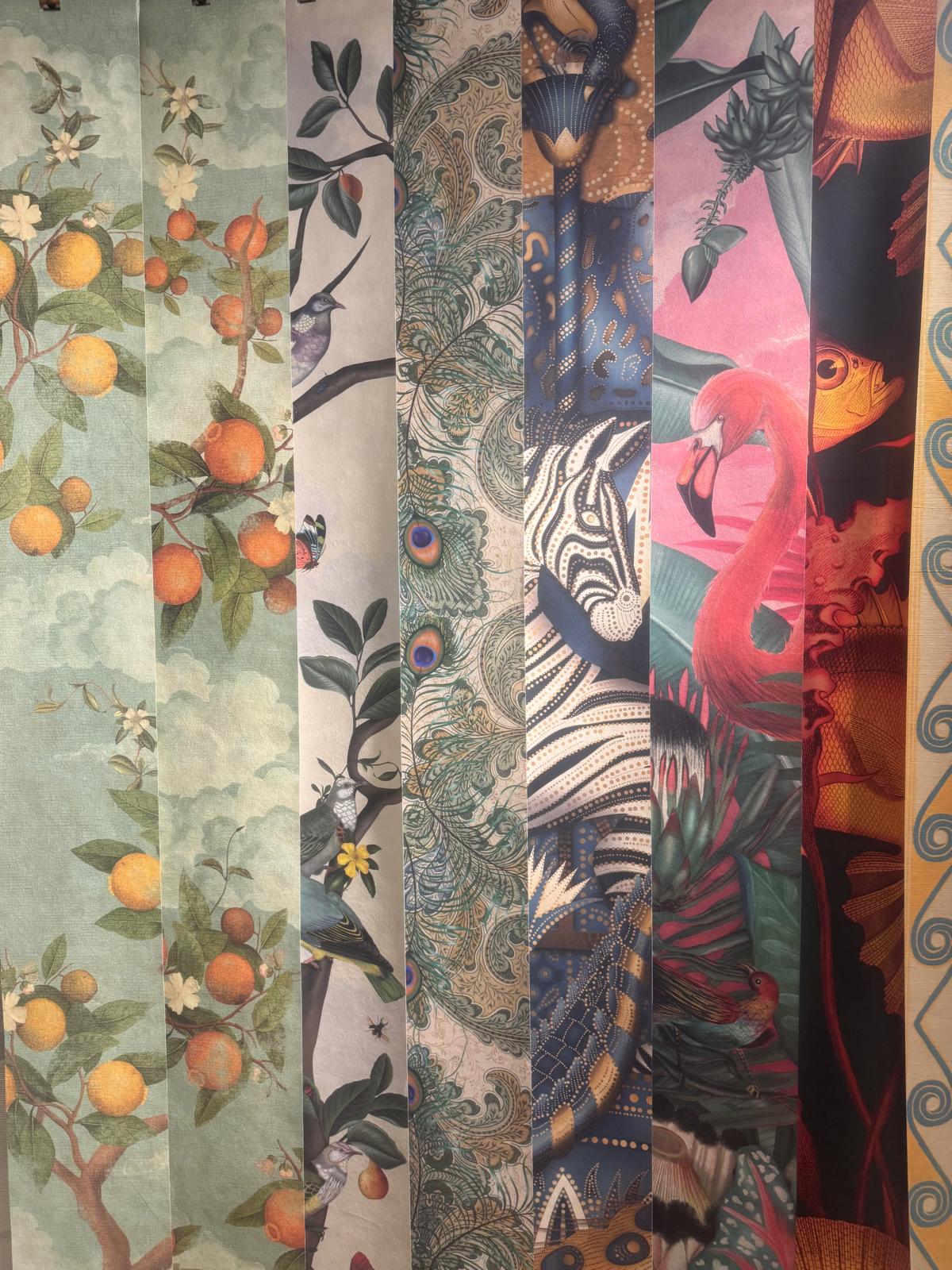 This return to craft is not nostalgic—it is strategic. In a market saturated with mass production, craftsmanship has become a marker of both quality and distinction.
It also reflects a broader cultural shift: a growing appreciation for the human element behind design.
A Mirror of Changing Wealth and Real Estate Priorities
What makes this design direction particularly significant is how closely it aligns with shifts in high-end real estate and global wealth behavior.
Today’s buyers—especially in prime markets like London, the French Riviera, and beyond—are increasingly drawn to properties that offer more than location or scale. They are seeking spaces with meaning.
This translates into a preference for authentic materials over synthetic finishes, a demand for thoughtfully designed, turnkey interiors, and a greater value placed on longevity rather than trend alignment
In this context, quiet confidence becomes more than an aesthetic—it becomes an investment logic.
Properties that embody these principles tend to hold their value more effectively. They age better, resonate longer, and appeal to a more discerning, globally mobile buyer.
Redefining Luxury
Perhaps the most important takeaway from London Design Week 2026 is a redefinition of luxury itself.
Luxury is no longer loud. It does not need to announce itself through scale, gloss, or novelty.
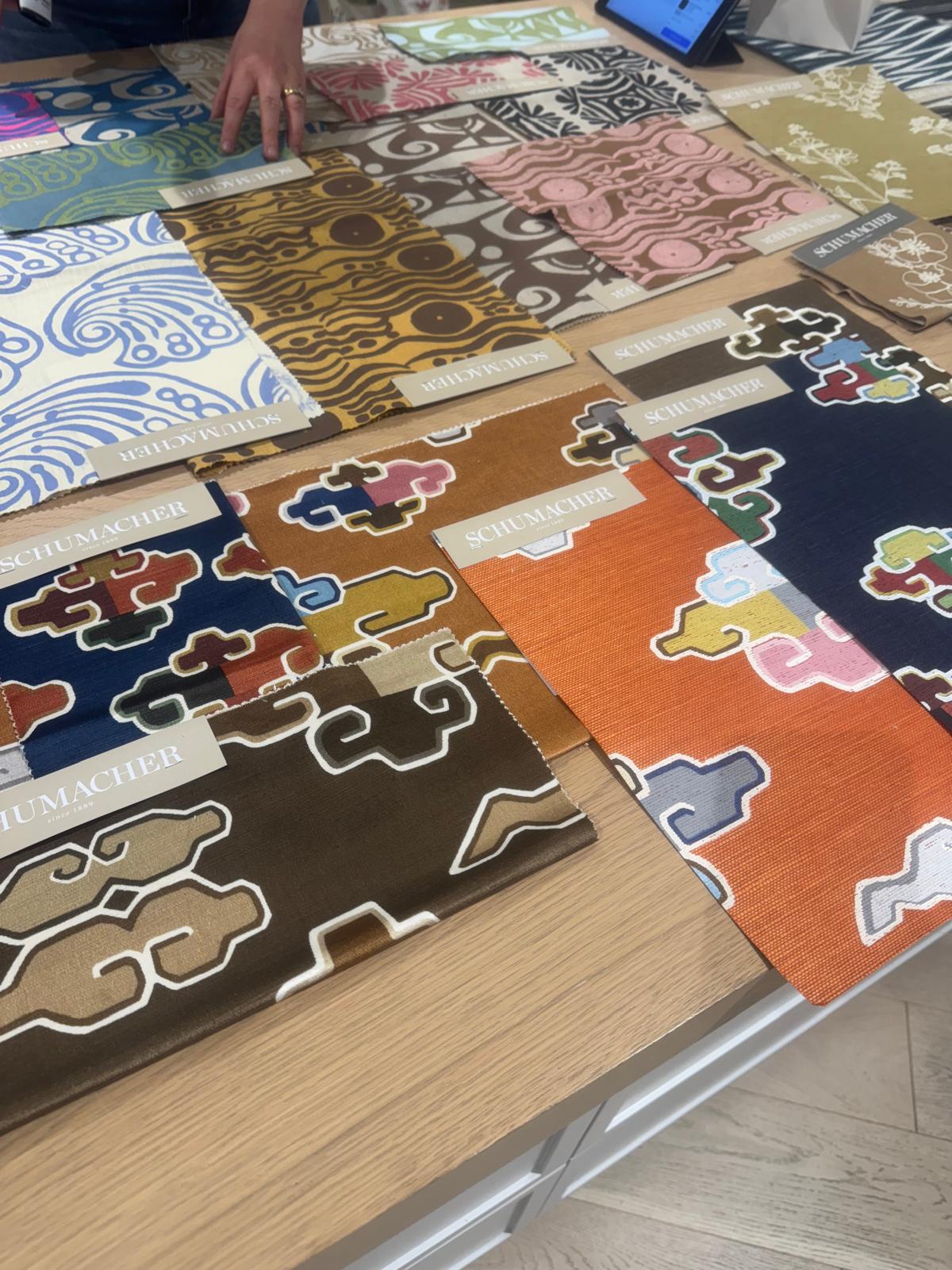
Instead, it is expressed through restraint, material integrity, attention to detail, and a sense of timelessness that resists easy categorization
This is what quiet confidence looks like in practice. It is not about doing less—it is about doing things with greater clarity and purpose.
Intentional direction
London Design Week 2026 did not present a radical departure from design’s past, but rather a refinement of its future.
In choosing permanence over trend, craft over convenience, and narrative over spectacle, the industry is aligning itself with a broader cultural shift—one that values depth, authenticity, and longevity.
Quiet confidence, it seems, is not just a mood.
It is a direction.
 |
 |
 |
 |
 |
 |
 |
 |